
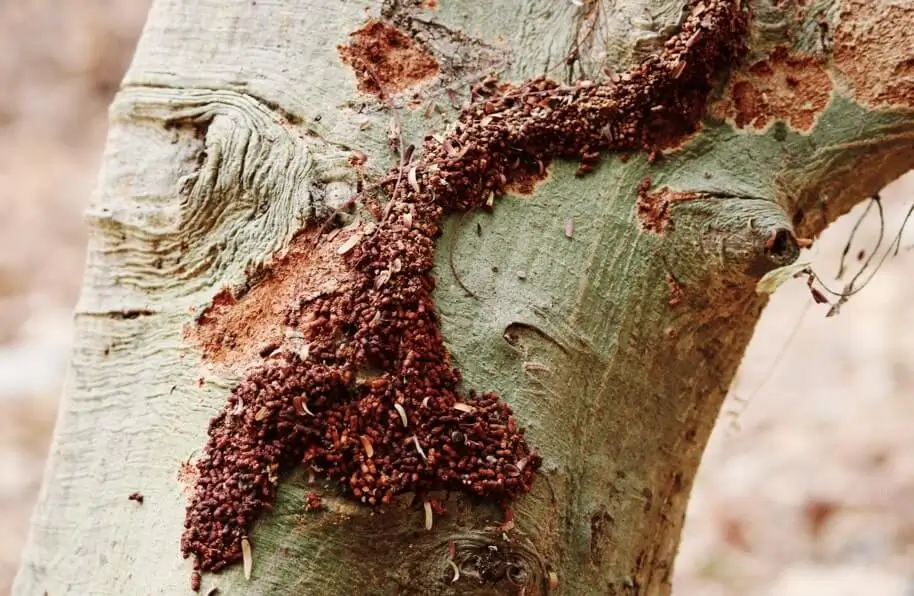
If you’ve noticed unusual damage, sticky residue, or strange insects on your fruit trees but aren’t sure what’s causing it, you’re not alone. Many beginner gardeners struggle to identify unknown pests, especially when growing fruit trees in containers or small spaces. Proper identification is the first and most important step toward effective treatment. In this guide, you’ll learn how to recognize common signs, inspect your plants correctly, and confidently identify pests before they cause serious damage.
Why Identifying Unknown Pests on Fruit Trees Matters in Container Gardening
Container fruit trees live in a more controlled—but also more vulnerable—environment than in-ground trees. Limited soil volume, reduced airflow, and closer proximity to your home mean pest problems can escalate quickly.
Small-Space Risks You Can’t Ignore
- Faster infestations: Pests multiply rapidly in warm, sheltered balcony or patio spaces.
- Root stress: Container trees under stress attract insects more easily.
- Cross-contamination: Pests can jump quickly between nearby potted plants.
Misidentifying pests often leads gardeners to overuse sprays, which can damage beneficial insects and weaken trees over time. If you’ve already noticed leaf damage or sticky surfaces, reviewing this guide on sticky residue on fruit tree leaves and what it means can help you spot early warning signs.
Correct identification is the foundation of every successful pest-control decision.
Step-by-Step: How to Identify Unknown Pests on Fruit Trees
Step 1: Inspect the Damage Before the Pest
Many pests hide well, but the damage they leave behind is often obvious. Start by examining:
- Leaves: curled, yellowing, speckled, or full of holes
- Stems & branches: bumps, cracks, webbing, or cottony clusters
- Fruit: scars, tunnels, or premature dropping
Damage patterns are often more reliable than spotting the insect itself.
Step 2: Check the Undersides of Leaves
Most sap-sucking pests live where gardeners rarely look.
- Use a flashlight or phone light
- Gently flip leaves over
- Look for clusters, eggs, or fine webs
If you suspect tiny pests but can’t see them clearly, spider mites are a common culprit. Their early signs are covered in detail in this guide on tiny pests causing speckled leaves on fruit trees.
Step 3: Identify by Damage Type
Match what you see to common pest categories:
Sticky leaves or ants nearby
- Aphids
- Scale insects
- Whiteflies
Holes or chewed edges
- Caterpillars
- Beetles
- Grasshoppers
Yellow speckles or bronzing
- Spider mites
- Thrips
Raised bumps on stems
- Soft or armored scale
This damage-first approach avoids guesswork and helps you choose targeted solutions instead of broad sprays.
Most Common Pests Found on Container Fruit Trees
Aphids
- Soft-bodied, green, black, or brown
- Cluster on new growth
- Produce sticky honeydew
Aphids are especially common on young container trees with nitrogen-rich soil.
Spider Mites
- Nearly invisible to the naked eye
- Thrive in hot, dry conditions
- Cause stippling and leaf drop
Balcony gardeners often miss spider mites until damage becomes severe.
Scale Insects
- Appear as immobile bumps
- Attach firmly to stems
- Drain sap slowly over time
Scale infestations are common on citrus and fig trees grown indoors or in sheltered patios.
Caterpillars
- Easy to identify by leaf damage
- Often feed at night
- Can defoliate small trees quickly
If holes appear overnight, inspect early in the morning for best results.
Tools That Make Pest Identification Easier
You don’t need expensive equipment, but a few simple tools can save hours of frustration.
Essential Tools for Beginners
- Hand lens (10x–20x): Reveals mites, eggs, and scale details
- Sticky cards: Detect flying pests early
- White paper test: Shake branches over paper to spot tiny insects
- Phone camera zoom: Surprisingly effective for close-ups
Keeping these tools nearby helps you catch problems before they spread. Pairing observation with preventive habits from this article on natural pest prevention for container fruit trees can dramatically reduce future infestations.
Soil, Containers, and Care Tips That Reduce Pest Problems
Healthy trees are naturally more pest-resistant. Many infestations begin with cultural mistakes rather than insects themselves.
Soil & Container Best Practices
- Use well-draining potting mix, not garden soil
- Avoid overfertilizing with nitrogen-heavy feeds
- Ensure containers have proper drainage holes
Environmental Adjustments
- Improve airflow between pots
- Rotate trees to avoid constant shade
- Rinse leaves periodically with water to remove early pests
If you’re unsure whether your current setup encourages pests, this breakdown of container gardening mistakes that attract insects provides clear corrective steps.
Common Mistakes Beginners Make When Identifying Fruit Tree Pests
Even attentive gardeners fall into these traps:
- Spraying before identifying: Kills beneficial insects and worsens outbreaks
- Ignoring early signs: Waiting until damage is severe
- Confusing nutrient issues with pests: Yellow leaves aren’t always insects
- Overusing neem oil: Can stress trees if applied incorrectly
If you’ve already tried treatments without success, it may help to review why overusing pest sprays in containers can backfire.
FAQ: Identifying Unknown Pests on Fruit Trees
How can I identify pests if I can’t see any insects?
Focus on damage patterns—sticky residue, holes, webbing, or discoloration usually point to specific pest groups even if insects remain hidden.
Are indoor fruit trees more likely to get pests?
Yes. Indoor and balcony trees lack natural predators and often have lower airflow, making pest outbreaks more common.
Should I remove infected leaves immediately?
Yes. Pruning heavily infested leaves reduces pest populations and helps prevent spread to other plants.
Can beneficial insects help in small spaces?
Absolutely. Ladybugs and lacewings work well even on balconies, provided pesticides are avoided.
Is neem oil safe for all fruit trees?
Generally yes, but only when diluted correctly and applied during cooler hours. Overuse can damage leaves.
Conclusion: From Guessing to Confident Pest Control
Identifying unknown pests on fruit trees doesn’t require chemicals, panic, or guesswork—just careful observation and a methodical approach. By learning to recognize damage patterns, inspecting the right plant areas, and understanding common container-specific pests, you gain control before infestations spiral out of hand.
Your next steps are simple: inspect your trees closely, document what you see, and apply targeted solutions only after proper identification. Combined with good soil, smart container care, and early prevention, these skills will protect your fruit trees season after season—and help you grow healthier harvests in even the smallest spaces.