
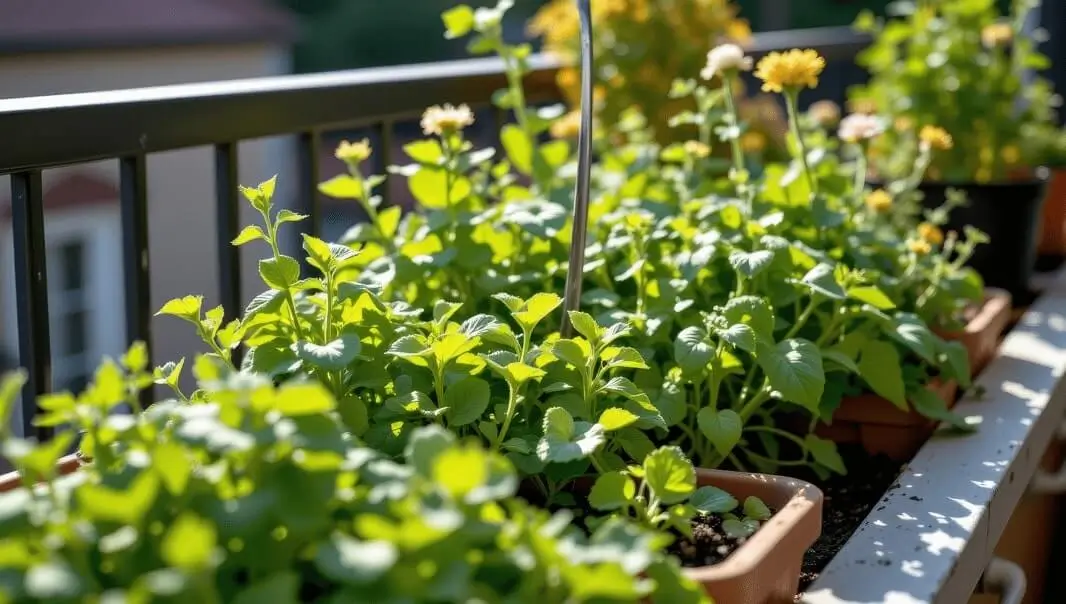
Drip irrigation for balcony gardening is one of the easiest and most efficient ways to keep container fruit plants healthy in small spaces. A simple drip system delivers water slowly and directly to the roots, helping reduce water waste, prevent overwatering, and save time for busy gardeners. Whether you grow strawberries, lemons, tomatoes, or dwarf fruit trees on a balcony, understanding drip irrigation can make plant care easier and more productive for beginners.
Why Drip Irrigation Matters for Container Fruit Gardening
Container-grown fruit plants have very different needs than those planted in the ground. Understanding these differences explains why drip irrigation is especially important on balconies.
Containers Dry Out Faster
- Have limited soil volume
- Are exposed to sun and wind
- Lose moisture quickly through drainage holes
This makes inconsistent watering one of the top reasons fruit trees fail in pots. If you’ve noticed wilting at midday or dry soil just a day after watering, you’re not alone.
👉 Learn how to test moisture correctly in this guide on checking soil moisture in containers.
Even Watering = Healthier Roots
Drip irrigation provides:
- Slow, steady moisture
- Deeper root hydration
- Less surface runoff
This prevents shallow roots and supports stronger, more resilient fruit plants—especially important for dwarf trees and berry bushes.
Saves Water and Time
Compared to hand-watering:
- Uses up to 50% less water
- Reduces evaporation
- Automates daily care
If you travel or forget watering, drip irrigation keeps your balcony garden alive without stress.
Drip Irrigation for Balcony Gardening: How It Works
At its core, a drip irrigation system is simple:
- Water source (tap or tank)
- Main supply tube
- Micro-tubing
- Drippers or emitters
- Timer (optional but recommended)
Water flows slowly through emitters, soaking the soil near the roots instead of flooding the entire pot.
Why It’s Ideal for Balconies
- Works at low pressure
- Fits small spaces
- Easy to customize per pot
- Safe for apartments (minimal runoff)
Step-by-Step: How to Set Up Drip Irrigation on a Balcony
Step 1: Choose Your Water Source
You have two main options:
- Outdoor tap → Best if your balcony has one
- Water tank or bucket → Ideal for apartments
For gravity-fed systems, place the tank slightly elevated.
Step 2: Select the Right Drip System
For balcony gardening, choose:
- 4mm–6mm micro tubing
- Adjustable drippers (1–4 L/h)
- Compact connectors and tees
Avoid large garden systems—they’re overkill for containers.
Step 3: Position Emitters Correctly
Place emitters:
- 5–8 cm from the plant stem
- Near the root zone
- One emitter for small pots
- Two or more for large containers
For fruit trees in pots, spacing matters as much as water volume.
👉 If your plants show stress, compare symptoms using this guide on signs of underwatering fruit trees.
Step 4: Add a Timer (Highly Recommended)
A timer allows:
- Early morning watering
- Short, frequent cycles
- Consistency even when you’re busy
This is especially useful during hot months when daily watering becomes critical. Pair it with seasonal adjustments like those explained in summer watering tips for fruit trees.
Step 5: Test and Adjust
Run the system and check:
- Soil moisture after 20–30 minutes
- No leaks or overflow
- Even distribution across pots
Fine-tuning once saves months of problems later.
Best Practices for Drip Irrigation in Balcony Containers
Water Slowly, Not Longer
More time ≠ better watering. Slow delivery allows soil to absorb moisture evenly and prevents water escaping through drainage holes.
Match Watering to Pot Size
- Small pots: short, frequent cycles
- Large containers: longer but less frequent
Overwatering can be just as damaging as underwatering. If leaves yellow or soil stays wet, review the signs of overwatering in fruit trees.
Adjust by Season
- Spring: Moderate frequency
- Summer: Daily or twice daily (short cycles)
- Autumn: Gradually reduce
- Winter: Minimal watering
For colder months, follow these winter watering guidelines for fruit trees.
Common Mistakes Beginners Make (and How to Avoid Them)
1. Using Too Many Emitters
More emitters can cause soggy soil. Start small and increase only if needed.
2. Ignoring Drainage
Drip irrigation doesn’t replace proper drainage. Always use:
- Pots with drainage holes
- Elevated containers or saucers
3. Never Checking Soil Moisture
Automation doesn’t mean neglect. Check soil weekly—especially during heatwaves.
4. Same Schedule for All Plants
Different fruits have different needs:
- Citrus prefers consistent moisture
- Figs tolerate slight drying
- Strawberries need frequent light watering
Best Soil, Containers, and Accessories for Drip Irrigation
Ideal Soil Mix
Use a well-draining mix:
- 40% compost
- 40% coco coir or peat
- 20% perlite or sand
This ensures water spreads evenly without waterlogging.
Best Containers
Choose:
- Light-colored pots (less heat)
- Fabric grow bags (excellent drainage)
- Large containers for fruit trees (30–50L)
If you’re just starting, explore balcony fruit growing tips for beginners to choose the right setup.
Helpful Add-ons
- Pressure regulator
- Inline filter
- Moisture meter
- Mulch (reduces evaporation)
FAQ: Drip Irrigation for Balcony Gardening
Is drip irrigation safe for apartment balconies?
Yes. When installed correctly, it uses slow, controlled water flow with minimal runoff—perfect for apartments.
How often should I run drip irrigation on a balcony?
Typically once daily in summer, every 2–3 days in spring and autumn, and minimally in winter.
Can I use drip irrigation without a tap?
Absolutely. A gravity-fed water tank works well for small balcony systems.
Does drip irrigation work for fruit trees in pots?
Yes. It’s one of the best methods for container fruit trees, promoting deep roots and steady growth.
How much water does a drip system use?
Much less than hand-watering—often 30–50% less—because water goes directly to the roots.
Conclusion: Smart Watering for a Thriving Balcony Garden
Drip irrigation for balcony gardening isn’t just a convenience—it’s a powerful tool for healthier plants, better fruit yields, and stress-free care. By delivering water exactly where it’s needed, you eliminate guesswork, reduce waste, and protect your container plants from common watering mistakes.
Start small, test your setup, and adjust with the seasons. Combine drip irrigation with good soil, proper containers, and regular monitoring, and your balcony can become a productive mini orchard—even in limited space.
Next step: Choose a simple drip kit, install it this weekend, and enjoy consistent, worry-free watering all season long. 🍓🌿