
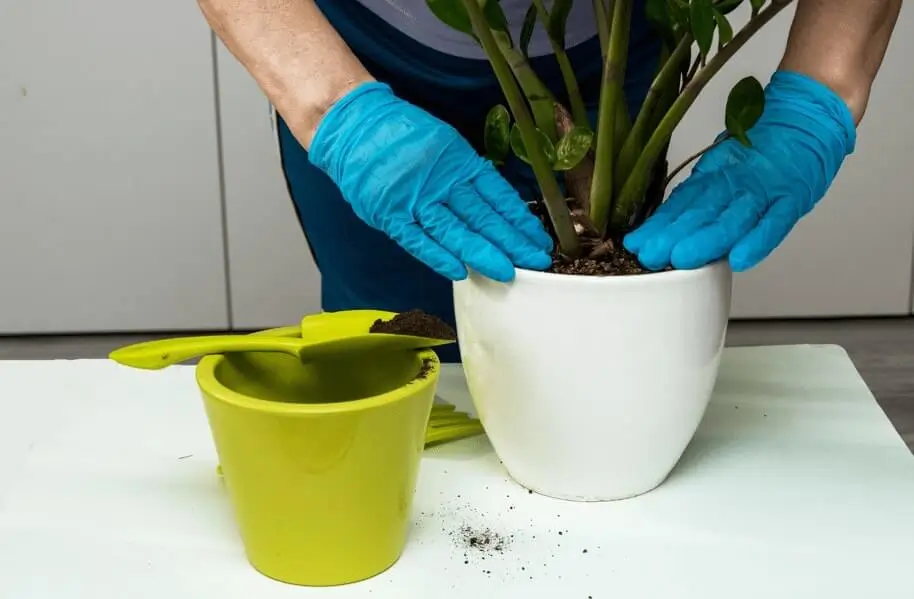
Overfertilizing fruit trees in containers is a common mistake that can quietly harm your plants instead of helping them grow. While nutrients are essential, too much fertilizer can lead to root damage, leaf burn, poor fruiting, and long-term stress. Understanding the causes, recognizing early symptoms, and applying the right fixes can restore balance in your soil and help your potted fruit trees thrive again.
Why Overfertilizing Fruit Trees in Pots Is a Serious Problem
Container fruit gardening is fundamentally different from growing trees in the ground. When fertilizer is overapplied in pots, nutrients don’t disperse naturally through large soil volumes. Instead, they concentrate around the roots.
Limited Soil, High Risk
In containers:
- Roots cannot escape excess salts
- Drainage is finite
- Nutrients build up quickly with repeated feeding
This makes overfertilizing fruit trees in pots far more dangerous than many gardeners realize.
Salt Buildup and Root Damage
Most fertilizers contain salts. When too much fertilizer is applied:
- Salts accumulate in the potting mix
- Roots lose the ability to absorb water
- Leaf tips burn and roots dehydrate internally
If you’ve read our guide on nutrient imbalance in container fruit trees, you already know that excess nutrients can be just as harmful as deficiencies.
Growth at the Expense of Fruit
Excess nitrogen often causes:
- Rapid leafy growth
- Weak stems
- Fewer flowers and fruit
This explains why many gardeners experience lush foliage but little to no harvest after aggressive feeding.
Clear Signs You’re Overfertilizing Fruit Trees in Pots
Recognizing the symptoms early can save your tree.
Leaf Symptoms
- Brown or crispy leaf tips (classic fertilizer burn)
- Yellowing leaves despite regular watering
- Curling or distorted new growth
Root and Soil Clues
- White crust on soil surface or pot rim
- Soil that dries out unusually fast
- Roots that appear brown or brittle
Growth Problems
- Excessive leafy growth with no flowers
- Sudden wilting even when soil is moist
- Fruit drop shortly after forming
These symptoms are often confused with watering problems. If you’re unsure, compare them with the signs explained in watering problems in small pots to rule out irrigation issues first.
Step-by-Step: How to Fix Overfertilizing Fruit Trees in Pots
Once you confirm overfertilization, act quickly but carefully.
Step 1: Stop Fertilizing Immediately
Do not apply:
- Liquid fertilizers
- Slow-release pellets
- Compost teas
Give the tree time to recover before adding any nutrients again.
Step 2: Flush the Soil (Leaching)
Leaching removes excess salts safely.
How to do it:
- Move the pot to a drainage-friendly location
- Water slowly until water flows freely from the bottom
- Repeat 2–3 times over several hours
This process works best when pots have proper drainage, as explained in choosing the right container size for fruit trees.
Step 3: Check Root Health
If symptoms persist after leaching:
- Gently slide the tree out of the pot
- Trim dead or blackened roots
- Repot in fresh, well-draining mix
Step 4: Repot If Necessary
Severely overfertilized trees benefit from:
- New potting mix
- Slightly larger container
- Reduced feeding schedule
Use a soil blend similar to the one recommended in best soil mix for container fruit trees.
How Much Fertilizer Do Potted Fruit Trees Really Need?
One of the biggest causes of overfertilizing fruit trees in pots is following in-ground feeding schedules.
General Rule for Containers
- Feed less, not more
- Dilute liquid fertilizer to half strength
- Fertilize only during active growth
Seasonal Feeding Guide
- Spring: Light feeding to support new growth
- Summer: Moderate feeding, only if tree is healthy
- Fall/Winter: Stop fertilizing completely
Slow-release fertilizers should be used sparingly and never layered repeatedly in the same pot.
Common Beginner Mistakes That Lead to Overfertilization
Fertilizing on a Fixed Schedule
Plants don’t follow calendars. They respond to:
- Light
- Temperature
- Growth stage
Feeding on a rigid schedule often causes buildup.
Combining Multiple Fertilizers
Using compost, liquid feed, and slow-release pellets together almost guarantees excess nutrients.
Ignoring Pot Size
Small pots concentrate fertilizer faster. This is especially risky for citrus, figs, and dwarf apple trees.
Misreading Yellow Leaves
Yellowing is often mistaken for deficiency, but excess fertilizer can cause identical symptoms. Cross-check with nutrient deficiency in potted fruit trees before feeding again.
Tools, Soil, and Care Tips to Prevent Overfertilizing
Use the Right Soil Mix
Ideal container soil should:
- Drain freely
- Retain moisture without compacting
- Contain minimal pre-added fertilizer
Avoid heavy garden soil or mixes labeled “feeds for 6 months.”
Choose the Right Fertilizer Type
Best options:
- Organic slow-release fertilizers
- Diluted liquid feeds
- Balanced NPK formulas (not high-nitrogen)
Monitor Instead of Guessing
Simple habits make a big difference:
- Observe leaf color weekly
- Track growth rate
- Flush soil every 2–3 months
This proactive approach pairs well with the watering strategies outlined in how often to water fruit trees in containers.
Frequently Asked Questions
Can overfertilized fruit trees recover?
Yes. Most fruit trees recover fully if excess fertilizer is removed early and roots remain healthy.
How long does fertilizer burn last?
Mild cases improve within 2–3 weeks. Severe cases may take an entire growing season.
Should I remove damaged leaves?
Only remove fully dead leaves. Partially damaged leaves still support recovery.
Is organic fertilizer safer for pots?
Safer, but not risk-free. Organic fertilizers can still cause salt buildup if overused.
How often should I flush container soil?
Every 2–3 months, or immediately after suspected overfertilization.
Can overfertilizing kill a potted fruit tree?
Yes, especially young or dwarf trees in small containers.
Conclusion: Healthier Trees Start With Less Fertilizer
Overfertilizing fruit trees in pots is a common but preventable problem. Containers amplify mistakes, making moderation essential. By recognizing early warning signs, flushing excess salts, and adopting a lighter feeding approach, you can restore your tree’s health and improve fruit production long-term.
Your next steps are simple:
- Stop unnecessary feeding
- Flush or repot if needed
- Switch to a gentler fertilizing routine
Healthy container fruit trees thrive on balance — not excess. When in doubt, feed less, observe more, and let your tree tell you what it truly needs.