
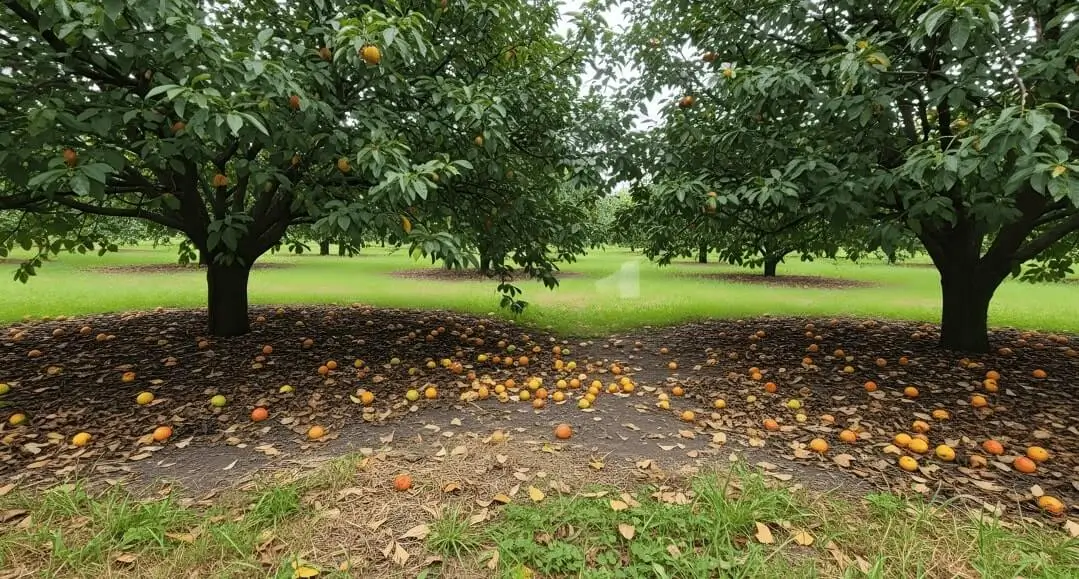
Fruit trees dropping fruit early is a frustrating issue for container gardeners, especially after weeks of care and anticipation. Whether you’re growing citrus, apples, or figs in pots, premature fruit drop can significantly reduce your harvest. Understanding the root causes—such as watering stress, nutrient imbalances, poor pollination, or environmental changes—is essential to solving the problem. With the right adjustments, you can help your fruit trees retain more fruit and achieve a healthier, more productive container garden.
Why Fruit Trees Dropping Fruit Early Is a Big Issue in Containers
Growing fruit trees in containers has many advantages, but it also makes trees more sensitive to stress. When stress builds up, the tree’s natural survival response is to shed fruit.
Containers amplify stress
Unlike trees planted in the ground, container fruit trees:
- Have limited root space
- Dry out faster
- Depend completely on you for nutrients
- Experience quicker temperature swings
If conditions are not ideal, the tree may decide it cannot support developing fruit and drop it early to conserve energy.
Early fruit drop reduces yield and tree health
Fruit drop doesn’t just affect this season’s harvest:
- Repeated fruit loss weakens the tree
- Energy is wasted on fruit that never matures
- Future flowering can be reduced
This issue often appears alongside other problems like poor flowering, low yields, or fruit trees producing no fruit at all, which is why understanding the root cause matters.
The Most Common Reasons Fruit Trees Drop Fruit Early
1. Natural fruit thinning (not always a problem)
Many fruit trees naturally drop excess fruit shortly after flowering. This is called June drop (even if it happens earlier or later).
How to tell it’s normal:
- Fruit drops when very small (pea-sized)
- Tree still retains a reasonable number of fruits
- Leaves look healthy
If your tree keeps some fruit, this is usually not a concern.
2. Poor or incomplete pollination
One of the most overlooked causes of fruit trees dropping fruit early is failed pollination.
In containers—especially on balconies—pollinators may be scarce. Poorly pollinated flowers can form tiny fruit that drops weeks later.
Signs of pollination issues:
- Fruit drops shortly after forming
- Misshapen or uneven baby fruit
- Heavy flowering but little fruit retention
If you grow on a balcony or indoors part-time, learning hand pollination techniques for fruit trees can dramatically improve fruit retention.
3. Irregular watering (the #1 container mistake)
Container fruit trees are extremely sensitive to water stress.
Both under- and overwatering cause fruit drop.
- Dry soil → roots shut down → fruit drops
- Waterlogged soil → root damage → fruit drops
Warning signs:
- Sudden fruit drop during hot weather
- Wilting or curling leaves
- Soil pulling away from pot edges
A consistent watering routine is critical, especially during flowering and early fruit development.
4. Nutrient imbalance (too much or too little)
Fertilizer mistakes are a major trigger for early fruit drop.
Common nutrient problems:
- Too much nitrogen → leafy growth, fruit drop
- Low potassium → weak fruit attachment
- Calcium deficiency → fruit stress
This is often connected with low fruit production in container trees, especially when general-purpose fertilizers are used incorrectly.
5. Tree stress from heat, wind, or sudden changes
Stress causes fruit trees to prioritize survival over reproduction.
Common stressors include:
- Heatwaves
- Strong wind exposure
- Moving the pot frequently
- Sudden changes in light
Even relocating a fruit tree after fruit set can trigger fruit drop.
Step-by-Step Solutions to Stop Fruit Trees Dropping Fruit Early
Step 1: Stabilize watering immediately
- Water deeply until it drains from the bottom
- Allow the top 2–3 cm of soil to dry before watering again
- Never let the pot completely dry out during fruit set
Pro tip: Self-watering pots or moisture meters help beginners avoid mistakes.
Step 2: Improve pollination (especially in small spaces)
If pollinators are limited:
- Hand-pollinate using a soft brush
- Gently shake branches during bloom
- Grow pollinator-friendly plants nearby
This is especially important if you’ve previously dealt with fruit trees flowering but not holding fruit.
Step 3: Adjust fertilization
Switch to a balanced or fruiting fertilizer:
- Lower nitrogen
- Higher potassium
- Includes micronutrients
Feed lightly but consistently—avoid heavy feeding during heat stress.
Step 4: Protect from environmental stress
- Move containers out of strong wind
- Provide shade during extreme heat
- Avoid moving trees once fruit sets
Stable conditions = better fruit retention.
Step 5: Thin fruit manually (counterintuitive but powerful)
If your tree sets too many fruits:
- Remove excess fruit early
- Space fruits evenly along branches
- Focus energy on fewer, stronger fruits
This reduces stress and prevents natural fruit drop later.
Common Beginner Mistakes That Cause Early Fruit Drop
Overfertilizing “to help”
More fertilizer does not mean more fruit. Excess nutrients often cause fruit drop.
Using pots that are too small
Root-bound trees cannot support fruit long-term. If roots circle the pot, it’s time to upgrade.
Ignoring airflow
Poor airflow increases stress and disease risk. This can indirectly cause fruit drop, especially in humid spaces.
Expecting young trees to carry heavy crops
Young or newly potted trees often drop fruit because they’re not mature enough yet.
Best Soil, Containers, and Care Tips for Preventing Fruit Drop
Ideal container setup
- Pot size: Minimum 40–60 liters for most fruit trees
- Drainage holes: Non-negotiable
- Material: Fabric or breathable pots reduce root stress
Soil mix for fruit retention
Use a well-draining, nutrient-rich mix:
- High-quality potting soil
- Compost or worm castings
- Perlite or pumice for aeration
Avoid heavy garden soil—it causes water stress and root problems.
FAQ: Fruit Trees Dropping Fruit Early
Why do fruit trees drop fruit before it ripens?
The most common reasons are water stress, poor pollination, nutrient imbalance, or environmental stress. In containers, these issues happen faster.
Is early fruit drop always a bad sign?
No. Light fruit drop early in the season can be natural thinning. Concern starts when most or all fruit falls.
Can overwatering cause fruit drop?
Yes. Waterlogged roots reduce oxygen, leading to stress and fruit loss.
How can I stop citrus trees dropping fruit?
Focus on consistent watering, balanced fertilizer, protection from heat, and proper pollination. Citrus in pots are very sensitive to stress.
Will fruit grow back after dropping?
Not in the same season. Once fruit drops, the tree usually won’t replace it until the next flowering cycle.
Conclusion: How to Keep Your Fruit Trees Holding Fruit Until Harvest
Fruit trees dropping fruit early is not a mystery—it’s a stress signal. In container gardening, even small issues with water, nutrients, or pollination can lead to fruit loss.
The key is stability:
- Consistent watering
- Balanced feeding
- Proper pollination
- Minimal stress
If you act early and adjust your care routine, most fruit trees can recover and produce a healthy harvest next season—or even later in the same year.
Start by fixing watering and pollination first, then fine-tune nutrition and container size. With the right approach, your container fruit trees can hold onto their fruit and reward you with the harvest you’ve been waiting for.