
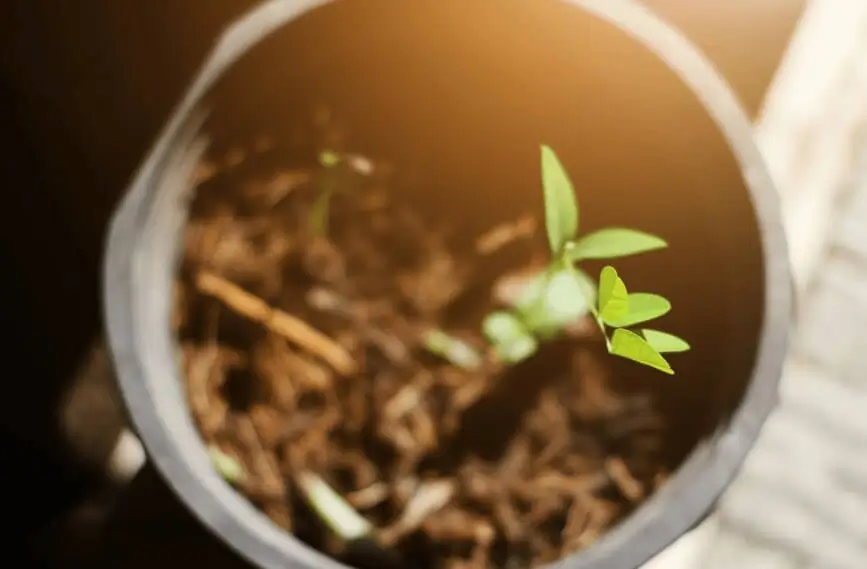
Fertilizer burn in potted fruit trees is a common yet serious issue that occurs when plants receive more nutrients than they can handle. Instead of promoting growth, excess fertilizer leads to salt buildup in the soil, damaging roots and disrupting water uptake. This often results in leaf scorch, browning edges, wilting, and overall poor plant health. Understanding the causes, recognizing early symptoms, and applying quick, effective fixes can help you save your container fruit trees and restore healthy growth before permanent damage occurs.
Why Fertilizer Burn in Potted Fruit Trees Happens So Often
Container fruit gardening offers many benefits, but it also increases the risk of fertilizer burn compared to in-ground trees.
Limited Soil Volume Increases Salt Buildup
Unlike garden soil, pots contain a small, confined volume of growing medium. When fertilizers dissolve, salts remain in the soil. Without heavy rainfall or deep soil layers to dilute them, these salts accumulate quickly and damage roots.
Overfertilizing Is Easier Than You Think
Many beginners assume more fertilizer equals faster growth. In reality, container fruit trees need precise feeding. Using full-strength fertilizer too often is one of the main reasons fertilizer burn in potted fruit trees occurs, especially during warm weather.
Slow Drainage Makes the Problem Worse
Poor drainage traps fertilizer salts near the root zone. This creates osmotic stress, preventing roots from absorbing water — even when the soil is moist.
What Is Fertilizer Burn? (Simple Explanation)
Fertilizer burn happens when excess nutrients — especially nitrogen, potassium, and soluble salts — damage plant tissues.
In potted fruit trees, fertilizer burn affects:
- Roots first, reducing water uptake
- Leaves next, causing browning and scorch
- Overall growth, leading to stunting or fruit drop
This condition is chemical damage, not a disease, which means correcting your care routine is the real solution.
Symptoms of Fertilizer Burn in Potted Fruit Trees
Identifying fertilizer burn early is critical. Many gardeners confuse it with drought stress or nutrient deficiency.
Common Visual Signs
- Brown or crispy leaf tips and edges
- Yellowing leaves that drop prematurely
- Wilting despite moist soil
- White crust on soil surface or pot rim
- Stunted new growth
Root-Level Symptoms (Often Missed)
- Roots appear brown or black instead of white
- Roots feel dry or brittle
- Foul smell in severe cases
If you’re unsure whether your tree is lacking nutrients or suffering from excess, compare symptoms with this guide
Fertilizer Burn vs Underfeeding: How to Tell the Difference
Many gardeners accidentally worsen fertilizer burn by adding more fertilizer, thinking the tree is hungry.
| Symptom | Fertilizer Burn | Nutrient Deficiency |
|---|---|---|
| Leaf edges | Brown & crispy | Pale or yellow |
| Leaf drop | Sudden | Gradual |
| Soil surface | White crust | Normal |
| Growth | Stunted | Slow but steady |
If you suspect excess fertilizer, stop feeding immediately.
Step-by-Step: How to Fix Fertilizer Burn in Potted Fruit Trees
Step 1: Stop Fertilizing Immediately
Do not add any fertilizer — liquid or granular — until the tree recovers fully.
Step 2: Flush the Soil Thoroughly
Leaching removes excess salts safely.
How to flush correctly:
- Move the pot outdoors or to a drain-safe area
- Slowly water until liquid drains freely
- Repeat 2–3 times over several hours
Use rainwater or distilled water if possible.
Step 3: Improve Drainage if Needed
If water pools on the surface or drains slowly, drainage is inadequate.
- Ensure drainage holes are clear
- Remove saucers that trap runoff
- Consider repotting into a better-draining mix
Poor drainage combined with fertilizer is a fast path to root damage. This issue is often linked to overfertilizing fruit trees in containers:
Step 4: Trim Severely Damaged Growth
- Remove dead leaves and branches
- Leave mildly damaged leaves if still green
- Avoid heavy pruning during recovery
This reduces stress and redirects energy to root healing.
Step 5: Repot if Damage Is Severe
If symptoms persist after flushing:
- Remove the tree from its pot
- Rinse roots gently with clean water
- Trim blackened roots
- Repot in fresh, fertilizer-free soil
Use a high-quality potting mix formulated for fruit trees.
Best Fertilizing Practices to Prevent Fertilizer Burn
Use the Right Fertilizer Type
- Choose slow-release or organic fertilizers
- Avoid high-salt synthetic feeds for beginners
- Look for balanced NPK formulas
Dilute Liquid Fertilizers
Always use:
- Half-strength for young trees
- Quarter-strength during hot weather
Follow Seasonal Feeding Schedules
- Feed actively growing trees only
- Stop fertilizing during dormancy
- Reduce feeding during extreme heat
If your soil quality is poor, improving it may be more important than fertilizing. Learn how soil health affects growth here:
Containers and Soil Choices That Reduce Fertilizer Burn Risk
Best Containers
- Fabric grow bags (excellent drainage)
- Clay pots (breathable but dry faster)
- Avoid non-draining decorative pots
Ideal Potting Mix
A good mix should include:
- Compost or aged bark
- Perlite or pumice for airflow
- Minimal added fertilizers
Avoid garden soil in containers — it compacts and traps salts.
Common Beginner Mistakes That Cause Fertilizer Burn
- Fertilizing newly repotted trees
- Feeding dry soil (always water first)
- Mixing multiple fertilizers together
- Using lawn fertilizer on fruit trees
- Fertilizing stressed or drought-affected trees
During hot, windy weather, trees are especially vulnerable. Combine smart fertilizing with proper watering, as explained in this guide on watering fruit trees during stressful conditions:
FAQ: Fertilizer Burn in Potted Fruit Trees
Can fertilizer burn kill a potted fruit tree?
Yes, severe cases can be fatal if roots are extensively damaged. Early action usually saves the tree.
How long does recovery take?
Mild cases recover in 2–4 weeks. Severe damage may take an entire growing season.
Should I fertilize again after flushing?
Wait until you see new healthy growth, then restart with diluted fertilizer.
Is organic fertilizer safer?
Organic fertilizers reduce risk but can still cause burn if overapplied.
Can fertilizer burn look like disease?
Yes, but fungal diseases usually cause spots or mold, not crispy leaf edges.
Conclusion: Fertilize Smarter, Not More
Fertilizer burn in potted fruit trees is a clear reminder that container gardening requires balance. More nutrients do not equal healthier trees — consistency and moderation do. By recognizing symptoms early, flushing excess salts, improving drainage, and adopting smart fertilizing habits, you can restore your tree’s health and prevent future damage. Focus on soil quality, gentle feeding, and seasonal care rather than quick fixes. With the right approach, your potted fruit trees will reward you with steady growth, healthy foliage, and reliable harvests for years to come.