
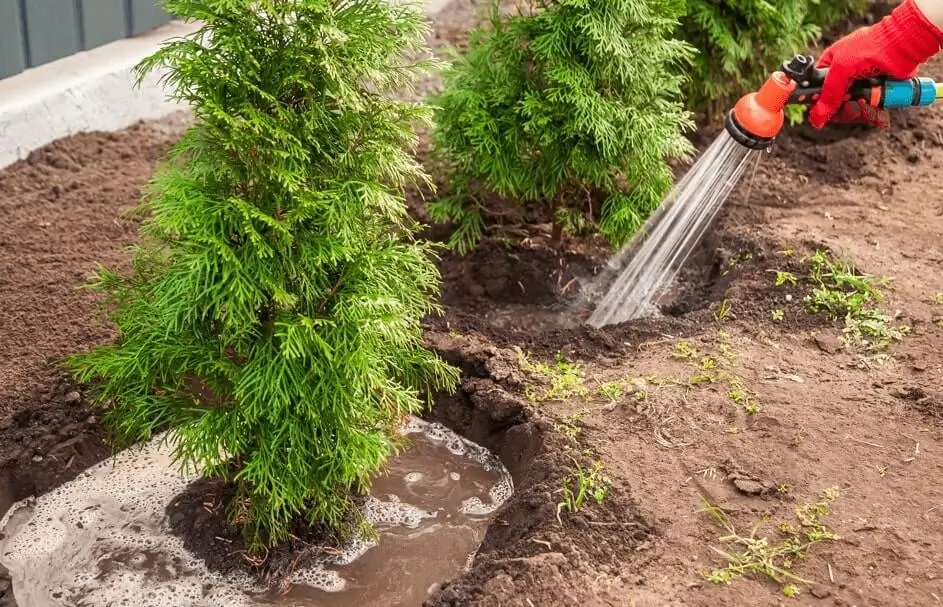
When container fruit trees suddenly start wilting, drying out, or dropping leaves, it’s often a sign of severe water stress. Unlike trees planted in the ground, container-grown fruit trees can lose moisture rapidly, especially during heatwaves, strong winds, or missed watering schedules. In these situations, quick action can mean the difference between saving your plant and losing it.
This guide provides fast, practical, and beginner-friendly emergency watering tips to revive stressed container fruit trees, restore moisture balance, and prevent permanent damage
Why Emergency Watering Tips Matter for Container Fruit Gardening
Container fruit trees are far more vulnerable to watering problems than in-ground trees. Understanding why makes emergency response faster and more effective.
Containers Dry Out Faster Than Soil Beds
Pots have limited soil volume, which heats up and dries out quickly—especially in:
- Hot or windy weather
- Full sun balconies and rooftops
- Dark-colored plastic containers
A fruit tree that might survive two dry days in the ground can suffer severe stress in a container after just one missed watering.
Water Stress Directly Affects Fruit Production
When water is scarce, fruit trees prioritize survival over fruiting. This often leads to:
- Flower drop
- Small, shriveled fruit
- Bitter or bland taste
- Premature fruit drop
If this happens repeatedly, it can weaken the tree long-term.
Root Damage Happens Quietly
Severe underwatering can kill fine feeder roots. Overcorrecting with too much water afterward can then cause root rot. Knowing the right emergency watering tips helps you avoid this dangerous cycle.
How to Identify a Watering Emergency Quickly
Before acting, confirm whether the problem is underwatering, not overwatering.
Clear Signs of Underwatering
- Leaves drooping or curling inward
- Dry, hard, or cracked soil surface
- Lightweight pots when lifted
- Leaf edges turning brown and crispy
Signs It’s Not an Underwatering Emergency
- Yellow leaves that feel soft
- Soil that stays wet for days
- Mushy smell from the pot
If soil is already wet, stop and reassess drainage before adding more water.
Step-by-Step Emergency Watering Tips (Do This Immediately)
Step 1: Move the Tree to Temporary Shade
Before watering:
- Move containers to bright shade or filtered light
- Avoid watering in full midday sun
This reduces evaporation and prevents leaf scorch during recovery.
Step 2: Rehydrate the Soil Slowly
Never flood a severely dry pot all at once.
Best method:
- Water slowly until moisture reaches the drainage holes
- Pause 5–10 minutes
- Water again
This allows compacted dry soil to absorb moisture evenly.
Step 3: Use Bottom Watering if Soil Is Hydrophobic
If water runs straight through the pot:
- Place the container in a bucket or tray of water
- Let it soak for 20–40 minutes
- Remove and allow excess water to drain
Bottom watering is one of the most effective emergency watering tips for bone-dry potting mix.
Step 4: Check Root Zone Moisture
After 30–60 minutes:
- Insert a finger or moisture meter 2–3 inches deep
- Soil should feel evenly damp, not soggy
Repeat gentle watering the next morning if needed.
Emergency Watering Tips During Heatwaves
Heatwaves are the most common cause of watering emergencies in container fruit gardening.
Adjust Watering Frequency Temporarily
During extreme heat:
- Water early morning daily
- Check soil again in late afternoon
- Avoid watering leaves in direct sun
If you’re unsure how often to water in normal conditions, see this complete guide to watering fruit trees in containers for a solid baseline.
Mulch Immediately
Add 2–5 cm of:
- Straw
- Bark chips
- Coconut coir
Mulching can reduce water loss by up to 50%.
Use Emergency Shade Solutions
- Shade cloth (30–50%)
- Old bedsheets
- Patio umbrellas
Even temporary shade can prevent further stress.
Common Emergency Watering Mistakes Beginners Make
Avoid these mistakes—they often cause more damage than the initial drought.
Overwatering to “Compensate”
Too much water too fast can:
- Suffocate roots
- Trigger fungal diseases
- Cause sudden leaf drop
Slow, staged rehydration is always safer.
Ignoring Drainage Holes
No drainage = no emergency solution. If water cannot escape, roots will rot. If needed, temporarily tilt the pot after watering to help excess water drain.
Watering Only the Surface
Surface watering encourages shallow roots. Always water deeply so moisture reaches the full root ball. You can learn more about this in our guide on common fruit tree watering mistakes beginners make.
Tools and Setup That Prevent Watering Emergencies
Emergency watering tips work best when paired with smart prevention.
Moisture Meters
Inexpensive and helpful for beginners, especially during hot weather or vacations.
Self-Watering Containers
These provide:
- Consistent moisture
- Reduced drought stress
- Better root health
They’re especially useful for citrus and fig trees.
Proper Container Size
Small pots dry out faster. If emergencies happen often, consider upsizing. Our article on choosing the right container size for fruit trees explains how pot volume affects watering frequency.
Water-Retentive Potting Mix
Use mixes with:
- Coco coir or peat
- Perlite for drainage
- Compost for structure
Avoid garden soil—it compacts and worsens emergencies.
FAQ: Emergency Watering Tips for Container Fruit Trees
How fast can a container fruit tree recover after underwatering?
Most trees show improvement within 24–72 hours if roots aren’t permanently damaged. Leaves may take longer to fully recover.
Should I fertilize after emergency watering?
No. Wait at least 2–3 weeks. Fertilizing stressed roots can burn them and slow recovery.
Is misting leaves helpful during a watering emergency?
Only in shade and mild heat. Misting does not replace root watering and is ineffective in hot sun.
Can fruit drop after an underwatering episode?
Yes. Fruit drop is common and often unavoidable, but the tree itself can still recover fully.
How do I prevent emergencies when I’m away?
Use drip irrigation, self-watering pots, or ask someone to check soil moisture. You can also follow this watering checklist for fruit trees before leaving.
Conclusion: Act Fast, Water Smart, and Prevent the Next Emergency
Watering emergencies don’t have to mean losing your container fruit trees. With the right emergency watering tips, you can stabilize stressed plants, protect roots, and get growth back on track. The key is acting quickly, rehydrating slowly, and avoiding overcorrection.
Once your tree recovers, focus on prevention: better containers, improved soil, consistent monitoring, and smart watering routines. These small adjustments drastically reduce future emergencies and lead to healthier trees and better fruit harvests.
Your fruit trees can bounce back—give them water the right way, at the right time, and they’ll reward you for it. 🌱🍎