
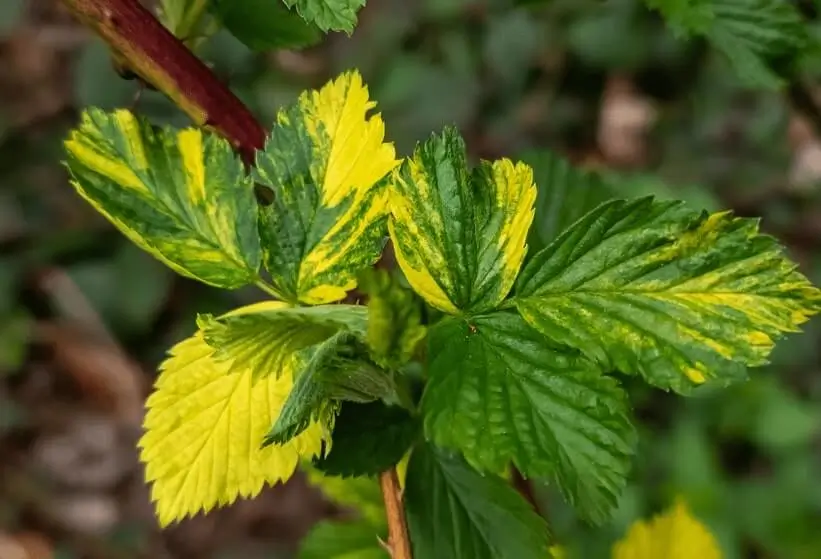
Nitrogen deficiency is one of the most common issues affecting fruit trees grown in containers, often leading to slow growth, pale leaves, and reduced fruit production. Because potted plants rely entirely on the nutrients available in limited soil, even a small imbalance can quickly impact their health. Understanding how to recognize the early signs of nitrogen deficiency, what causes it, and how to fix and prevent it is essential for maintaining strong, productive fruit trees in containers.
The good news? Nitrogen deficiency is one of the easiest nutrient problems to diagnose and correct when you know what to look for. In this guide, you’ll learn how to recognize early warning signs, fix the problem step by step, and prevent it from returning — all with practical, container-friendly solutions tailored for small spaces.
Why Nitrogen Deficiency Matters for Container Fruit Gardening
Nitrogen is responsible for leaf growth, chlorophyll production, and overall plant energy. In fruit trees, it plays a direct role in building the canopy that feeds fruit development later in the season.
Container fruit trees are far more vulnerable to nitrogen deficiency than in-ground trees because:
- Limited soil volume means nutrients are used up quickly
- Frequent watering washes nitrogen out of the pot
- Many potting mixes start nutrient-poor after a few months
- Roots can’t explore deeper soil layers for reserves
When nitrogen levels drop, fruit trees prioritize survival over productivity. This leads to weak growth, pale foliage, and reduced yields — problems that compound over time if ignored.
Nitrogen Deficiency Symptoms in Fruit Trees (How to Spot It Early)
Understanding nitrogen deficiency symptoms in fruit trees helps you act before growth stalls completely.
1. Yellowing of Older Leaves (Bottom First)
- Leaves turn pale green, then yellow
- Starts on older, lower leaves
- Veins and leaf tissue yellow evenly
This pattern is key: nitrogen is mobile in plants, so trees pull it from old leaves to support new growth.
2. Slow or Stunted Growth
- Shorter shoots
- Thin, weak branches
- Sparse canopy compared to healthy trees
If your container tree hasn’t put on noticeable growth during active season, nitrogen is often the missing piece.
3. Small Leaves and Early Leaf Drop
- New leaves emerge smaller than normal
- Older leaves fall prematurely
- Tree looks sparse or “tired”
4. Poor Flowering and Low Fruit Yield
- Fewer blossoms
- Fruit drops early
- Small or underdeveloped harvest
Nitrogen deficiency doesn’t just affect leaves — it reduces the tree’s ability to support fruit development.
Nitrogen Deficiency vs Other Nutrient Problems
Not all yellow leaves mean nitrogen deficiency. Here’s how to avoid misdiagnosis:
| Nutrient | Where Yellowing Appears | Key Difference |
|---|---|---|
| Nitrogen | Older leaves first | Uniform yellowing |
| Iron | New leaves first | Green veins, yellow tissue |
| Magnesium | Older leaves | Yellow between veins |
| Overwatering | Random | Soft, limp leaves |
If you’re unsure, reviewing watering-related yellowing causes in container trees can help rule out root stress before adding fertilizer. Many gardeners confuse nutrient deficiency with moisture issues, especially in small pots.
Step-by-Step: How to Fix Nitrogen Deficiency in Container Fruit Trees
Step 1: Confirm Active Growth Season
Apply nitrogen only during active growth (spring through mid-summer). Fertilizing dormant trees is ineffective and risky.
Step 2: Choose the Right Nitrogen Source
Best nitrogen options for container fruit trees:
- Organic slow-release fertilizers (fish meal, feather meal)
- Balanced granular fertilizers (e.g., 5-5-5 or 10-10-10)
- Liquid fertilizers for fast correction
Liquid feeds work fastest when symptoms are severe, while slow-release options provide long-term stability.
Step 3: Apply Correctly (Less Is More)
- Water soil before fertilizing
- Apply half the label rate for containers
- Spread evenly, not against the trunk
- Water thoroughly after application
Overfeeding is a common mistake that leads to salt buildup and root burn.
Step 4: Monitor New Growth (2–3 Weeks)
Healthy signs include:
- New leaves emerging greener
- Increased shoot length
- Improved canopy density
Old yellow leaves won’t recover — focus on new growth.
Best Soil and Potting Mix Practices to Prevent Nitrogen Loss
Many nitrogen problems start with poor soil choices. If your mix drains too fast or lacks organic matter, nutrients disappear quickly.
Use Nutrient-Retentive Potting Mixes
Look for mixes containing:
- Compost or aged bark
- Coco coir or peat moss
- Perlite (in moderation)
Avoid sterile, ultra-light mixes long-term. For guidance, compare this with advice in choosing the best soil for container fruit trees, where nutrient retention is just as important as drainage.
Container Size and Root Health Matter More Than You Think
Small pots accelerate nitrogen deficiency by restricting root development.
General container size guidelines:
- Dwarf trees: 10–15 gallons minimum
- Semi-dwarf trees: 20–25 gallons
- Mature trees: 30+ gallons
If roots are circling or tightly packed, nutrients can’t be absorbed efficiently — even when fertilizer is present. Repotting often solves “mystery deficiencies.”
Common Beginner Mistakes That Cause Nitrogen Deficiency
1. Underfeeding Container Trees
Many gardeners fear fertilizer and apply too little. Containers need regular feeding because nutrients don’t replenish naturally.
2. Overwatering and Leaching
Excessive watering flushes nitrogen out of pots. If water runs straight through every time, nutrients are leaving with it. This often overlaps with issues discussed in why container fruit trees dry out so fast.
3. Relying on Old Potting Mix
Potting mix older than 12–18 months is often nutritionally depleted, even if it looks fine.
4. Using High-Carbon Mulches Incorrectly
Fresh wood chips or sawdust can temporarily lock up nitrogen as they decompose. Always pair them with nitrogen-rich fertilizer.
Organic vs Synthetic Nitrogen: What’s Better for Containers?
Both work — but they behave differently.
Organic Nitrogen (Slower, Safer)
- Improves soil health
- Lower burn risk
- Requires microbial activity
Best for long-term maintenance.
Synthetic Nitrogen (Fast, Precise)
- Immediate correction
- Easy to overapply
- Doesn’t improve soil
Best for correcting severe deficiency, then transitioning to organic sources.
Seasonal Nitrogen Feeding Schedule (Containers)
- Early Spring: Light feeding as buds break
- Late Spring: Main nitrogen application
- Early Summer: Maintenance feeding
- Late Summer: Reduce nitrogen
- Fall/Winter: Stop nitrogen completely
Too much late-season nitrogen causes weak growth and winter damage.
FAQ: Nitrogen Deficiency Symptoms in Fruit Trees
How long does it take to fix nitrogen deficiency?
Visible improvement usually appears within 2–3 weeks, depending on fertilizer type and tree health.
Can yellow leaves turn green again?
No. Old leaves won’t recover, but new growth should be healthy and green.
Is coffee grounds good for nitrogen?
Only in small amounts. Coffee grounds are slow-release and best composted first.
Can nitrogen deficiency kill a fruit tree?
Rarely, but long-term deficiency weakens trees, reduces fruiting, and increases disease risk.
How often should I fertilize container fruit trees?
Most need feeding every 4–6 weeks during the growing season.
Conclusion: Healthy Leaves Mean Healthy Harvests
Nitrogen deficiency symptoms in fruit trees are easy to overlook at first — but once you know the signs, they’re just as easy to fix. For container gardeners, the key is consistency: proper soil, correct pot size, and regular feeding at the right time.
Start by correcting current deficiencies with gentle fertilization, then focus on prevention through better soil management and seasonal care. With the right approach, your container fruit trees will reward you with lush growth, strong structure, and better harvests year after year.