
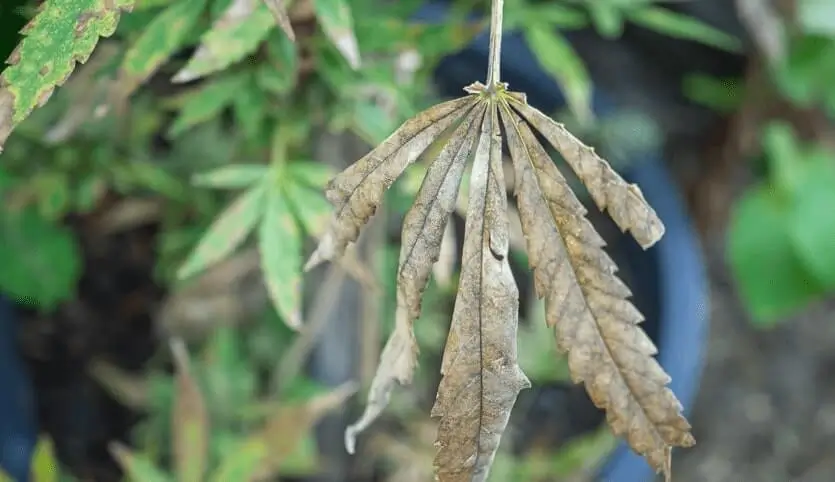
Phosphorus deficiency is a common yet often overlooked problem in container-grown fruit trees, leading to weak root development, poor flowering, and reduced fruit production. Because potted plants rely entirely on limited soil nutrients, even a slight imbalance can quickly affect their health. In this guide, you’ll learn how to identify phosphorus deficiency early, understand its causes, and apply effective solutions to restore strong growth and maximize your tree’s productivity.
The good news? Phosphorus deficiency is fixable once you understand what causes it and how to correct it safely in pots. In this guide, you’ll learn how to identify phosphorus deficiency early, why it matters so much in container fruit gardening, and exactly what steps to take to restore healthy growth—without overfeeding or damaging your soil. Whether you’re growing citrus, figs, apples, or berries in pots, this article will help you get your plants back on track and producing confidently.
Why Phosphorus Deficiency Matters in Container Fruit Gardening
Phosphorus (P) is one of the three primary plant nutrients, alongside nitrogen and potassium. In container-grown fruit trees, it plays an especially critical role because root space and nutrient reserves are limited.
What phosphorus does for fruit plants
Phosphorus is responsible for:
- Strong root development
- Flower and fruit formation
- Energy transfer within the plant (ATP)
- Early plant establishment and overall vigor
When phosphorus is deficient, container fruit trees struggle to build roots and often fail to transition from leafy growth into flowering and fruiting.
Why containers are more vulnerable than ground soil
In open garden soil, phosphorus can persist for years. In containers, however:
- Nutrients leach out faster with watering
- Roots quickly deplete limited soil reserves
- pH imbalances lock phosphorus in unavailable forms
- Low-quality potting mixes may lack long-term phosphorus
This makes phosphorus deficiency in containers far more common than many gardeners realize—especially after the first growing season.
Signs of Phosphorus Deficiency in Containers
Identifying phosphorus deficiency early prevents long-term damage and wasted growing seasons.
Visual symptoms to look for
Common signs include:
- Slow or stunted growth despite adequate watering
- Dark green foliage with a dull or bluish tone
- Purple or reddish coloring on older leaves or stems
- Poor flowering and little to no fruit set
- Weak, underdeveloped root systems when repotting
Unlike nitrogen deficiency (which causes yellowing), phosphorus problems often look subtle at first—plants just “sit there” without progressing.
If your tree shows yellowing instead of purpling, compare symptoms with this guide on nitrogen deficiency in potted fruit trees to avoid misdiagnosis.
What Causes Phosphorus Deficiency in Containers?
Understanding the cause determines the right fix.
1. Low-phosphorus potting mix
Many lightweight potting mixes are designed for short-term ornamental plants, not fruit production. They may contain minimal phosphorus or rely on slow-release sources that run out quickly.
2. Cold soil temperatures
Phosphorus uptake slows dramatically in cool soil. Early spring container plants often show deficiency even when phosphorus is present.
3. Incorrect soil pH
Phosphorus becomes unavailable when:
- pH is below 5.5 (too acidic)
- pH is above 7.5 (too alkaline)
Container soil pH drifts faster than garden soil due to frequent watering and fertilizer use. Poor soil structure can worsen this—learn more in why poor soil weakens fruit trees in pots.
4. Root-bound plants
When roots fill the pot completely, nutrient uptake—including phosphorus—drops sharply. This often mimics a deficiency even when nutrients are present.
Step-by-Step: How to Fix Phosphorus Deficiency in Containers
Step 1: Confirm the problem
Before adding anything:
- Check recent fertilizer history
- Look for purpling on older leaves
- Rule out underwatering or root stress
If your tree also suffers from frequent drying, review watering issues in container fruit trees to correct moisture problems first.
Step 2: Choose the right phosphorus source
Not all phosphorus fertilizers work equally well in containers.
Fast-acting options
- Liquid bloom fertilizers (low nitrogen, higher phosphorus)
- Water-soluble balanced fertilizers (e.g., 10-10-10)
Slow-release options
- Bone meal (best for organic growers)
- Rock phosphate (long-term, slower effect)
- Controlled-release granular fruit tree fertilizers
For immediate correction, start with a liquid feed. For long-term stability, combine it with a slow-release source at the next repotting.
Step 3: Apply fertilizer correctly
Overfeeding phosphorus can block other nutrients, so precision matters.
Best practices
- Apply liquid fertilizer at half strength initially
- Water soil lightly before fertilizing
- Avoid fertilizing dry or stressed plants
- Repeat every 2–3 weeks until growth improves
Never exceed label rates—phosphorus builds up easily in containers.
Step 4: Adjust soil pH if needed
If phosphorus deficiency persists:
- Test container soil pH
- Aim for pH 6.0–6.8 for most fruit trees
To correct pH:
- Use garden lime to raise pH (acidic soil)
- Use elemental sulfur or acidic compost to lower pH (alkaline soil)
pH correction often unlocks phosphorus already present in the potting mix.
Step 5: Repot if the plant is root-bound
If roots circle the pot tightly:
- Move up one container size
- Refresh soil with a nutrient-rich fruit tree mix
- Loosen outer roots gently during repotting
Root expansion alone can resolve apparent phosphorus deficiency.
Best Soil and Container Tips to Prevent Future Deficiency
Use a fruit-focused potting mix
Look for mixes that include:
- Compost or aged bark
- Mineral components for phosphorus retention
- Balanced slow-release fertilizer
Avoid reusing old potting soil without amendment—it’s a common source of recurring deficiencies.
Choose the right container size
Small containers deplete phosphorus quickly. As a rule:
- Young trees: minimum 10–15 gallons
- Mature dwarf trees: 20–30 gallons+
Frequent repotting is better than constant feeding.
Common Mistakes Beginners Make
Overapplying phosphorus
More phosphorus does not mean faster fruiting. Excess can:
- Block iron and zinc uptake
- Cause leaf discoloration
- Reduce overall plant health
Ignoring temperature effects
Cold soil often mimics deficiency. Wait for warmer conditions before aggressive feeding.
Confusing phosphorus deficiency with stress
Drought stress, compacted roots, and salt buildup all reduce phosphorus uptake. Address these issues first.
If watering consistency is a challenge, see how watering problems in small pots affect nutrient uptake.
FAQ: Phosphorus Deficiency in Containers
What does phosphorus deficiency look like in container plants?
It usually appears as slow growth, dark or purplish leaves, weak roots, and poor flowering or fruiting.
Can I fix phosphorus deficiency without repotting?
Yes. Liquid phosphorus fertilizers and pH correction often solve mild deficiencies without repotting.
Is bone meal safe for container fruit trees?
Yes, when used sparingly. It’s best mixed into soil during repotting rather than applied repeatedly on the surface.
How long does it take to see improvement?
Leaf color and growth often improve within 2–4 weeks, but fruiting may take a full growth cycle to recover.
Can too much phosphorus harm container plants?
Absolutely. Excess phosphorus can block micronutrients and reduce overall plant health.
Conclusion: Strong Roots, Better Harvests
Phosphorus deficiency in containers is a quiet but powerful growth limiter for potted fruit trees. Because containers restrict soil volume, nutrients like phosphorus must be managed deliberately—not reactively. By recognizing early symptoms, correcting soil pH, choosing the right fertilizer, and maintaining healthy root space, you can restore vigorous growth and reliable fruiting.
Your next steps:
- Inspect your containers for early deficiency signs
- Test soil pH at least once per season
- Use balanced, fruit-specific fertilizers
- Repot on schedule with fresh, nutrient-rich soil
With these practices in place, your container fruit trees will reward you with stronger roots, healthier growth, and better harvests season after season.