
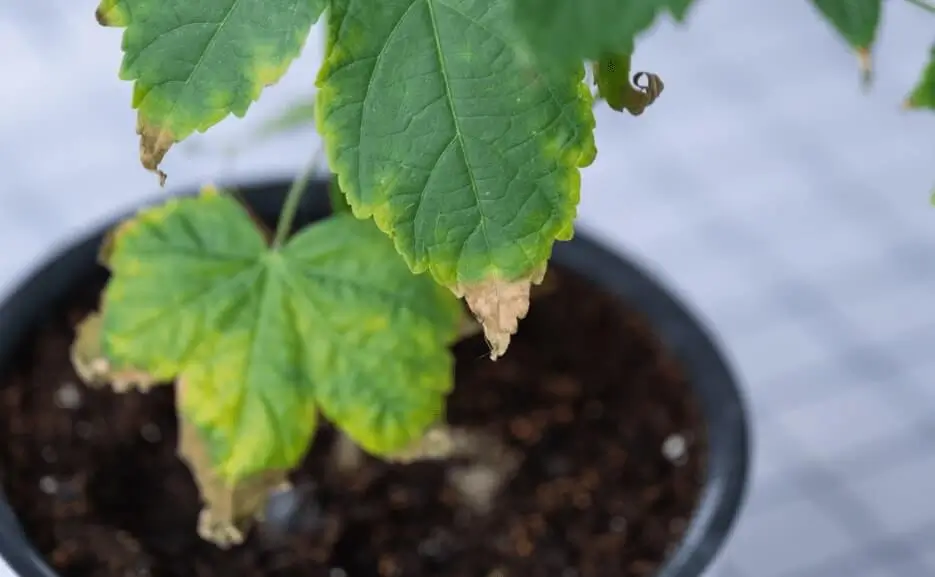
Growing fruit trees in containers is a smart solution for small spaces, but many gardeners face one frustrating issue—healthy-looking plants that fail to produce good fruit. In most cases, the problem isn’t pests or pollination; it’s nutrient imbalance. Understanding how nutrients affect flowering and fruiting is key to turning weak harvests into abundant yields.
In this guide, you’ll discover the most common nutrient problems affecting fruiting in container trees and how to fix them effectively for healthier plants and better harvests.
Why Nutrient Problems Affect Fruiting More in Containers
Container fruit trees are far more sensitive to nutrition than in-ground trees. The reason is simple: they depend entirely on you.
Limited Root Space = Limited Nutrient Buffer
In the ground, roots can explore large soil volumes and access nutrients over time. In containers:
- Roots are confined
- Nutrients are depleted faster
- Excess nutrients can build up just as quickly
This makes nutrient balance—not just fertilizing—critical for fruiting success.
Watering Washes Nutrients Away
Frequent watering (especially in warm climates or during summer fruiting) leaches key nutrients like nitrogen, potassium, magnesium, and boron out of potting mix. If nutrients aren’t replaced properly, fruit development stalls.
Fruiting Requires Different Nutrition Than Growth
Many beginners feed for leaf growth only. But flowering and fruiting demand different nutrient ratios, especially higher potassium and adequate micronutrients.
If you’re also dealing with disappointing harvests overall, you may want to review this guide on why fruit trees produce low yields to see how nutrition overlaps with other causes.
Key Nutrient Problems Affecting Fruiting (And Their Symptoms)
Understanding symptoms helps you fix the real issue—not guess.
Nitrogen Imbalance (Too Much or Too Little)
- Too much nitrogen: Lots of lush leaves, very few flowers or fruit
- Too little nitrogen: Weak growth, pale leaves, poor fruit size
➡️ Excess nitrogen is one of the most common nutrient problems affecting fruiting in containers.
Potassium Deficiency (A Major Fruiting Blocker)
Potassium drives:
- Flower development
- Fruit set
- Sugar accumulation
Symptoms include:
- Flowers dropping early
- Small, bland fruit
- Leaf edge browning or curling
Phosphorus Deficiency
Less common in containers, but possible with poor-quality potting mixes.
- Delayed flowering
- Weak root systems
- Poor early fruit development
Calcium Deficiency
Especially problematic for:
- Tomatoes (blossom end rot)
- Citrus
- Apples and pears in containers
Symptoms:
- Fruit cracking
- Soft or misshapen fruit
- Premature fruit drop
Micronutrient Deficiencies (Often Overlooked)
Tiny amounts—big impact:
- Boron: Poor pollination and fruit set
- Magnesium: Yellowing between leaf veins
- Iron: Pale new growth, reduced flowering
Micronutrient shortages are common in reused or old potting mixes.
Step-by-Step: How to Fix Nutrient Problems Affecting Fruiting
Step 1: Stop Overfeeding Nitrogen
If your tree is leafy but fruitless:
- Pause high-nitrogen fertilizers
- Avoid lawn fertilizers or “growth boosters”
- Switch to a fruit-focused formula
Look for fertilizers labeled for fruit trees or citrus, not general-purpose feeds.
Step 2: Use the Right NPK Ratio for Fruiting
During flowering and fruiting, aim for:
- Lower nitrogen (N)
- Moderate phosphorus (P)
- Higher potassium (K)
Example ratios:
- 5-10-10
- 4-6-8
- Citrus blends with added micronutrients
Apply lightly but consistently rather than in heavy doses.
Step 3: Supplement Micronutrients
Use:
- Liquid seaweed or kelp extract (monthly)
- Chelated iron if leaves yellow
- Epsom salt (magnesium sulfate) if magnesium deficiency is confirmed
Avoid overdoing supplements—more is not better.
Step 4: Refresh or Amend Potting Mix
Old potting soil loses structure and nutrients.
- Replace top 20–30% annually
- Use high-quality, well-draining mix
- Add compost or worm castings sparingly
If your tree struggles despite feeding, root-bound conditions may also be limiting nutrient uptake—this guide on choosing the right container size for fruit trees can help.
Step 5: Water Correctly
Nutrient uptake depends on water.
- Water deeply until excess drains
- Avoid constant soggy soil
- Flush containers occasionally to remove salt buildup
Improper watering can mimic nutrient deficiencies even when nutrients are present.
Container-Specific Nutrition Tips for Better Fruit Set
- Use slow-release fertilizer as a base
- Supplement with liquid feeds during flowering
- Mulch the soil surface to reduce nutrient loss
- Avoid fertilizing during extreme heat stress
- Reduce feeding slightly once fruit matures
If flowers are forming but fruit isn’t setting, nutrition may not be the only factor. Poor pollination can combine with nutrient problems—this hand pollination guide for fruit trees explains how to boost fruit set naturally.
Common Beginner Mistakes That Reduce Fruiting
Overfeeding “Because the Tree Looks Weak”
This often worsens the problem by:
- Forcing leafy growth
- Suppressing flowering
- Causing salt buildup in pots
Using Garden Soil in Containers
Garden soil:
- Compacts easily
- Drains poorly
- Locks nutrients away from roots
Always use container-specific mixes.
Ignoring pH Levels
Wrong pH = locked nutrients.
- Citrus prefer slightly acidic soil
- Stone fruit prefer neutral to slightly acidic
- Test annually if problems persist
Fertilizing on a Fixed Schedule
Trees don’t follow calendars—they respond to:
- Growth stage
- Temperature
- Light levels
Adjust feeding based on plant behavior, not dates.
FAQ: Nutrient Problems Affecting Fruiting
Why does my fruit tree flower but not produce fruit?
Often due to excess nitrogen or low potassium. The tree prioritizes leaves over fruit.
Can too much fertilizer stop fruiting?
Yes. Overfertilizing—especially with nitrogen—can completely suppress fruit production.
How often should I fertilize container fruit trees?
Light feeding every 2–4 weeks during active growth works better than heavy, infrequent feeding.
Do organic fertilizers work for container fruiting?
Yes, but they act slower. Combine organic matter with targeted liquid feeds for best results.
Should I fertilize during fruit development?
Yes, but reduce nitrogen and focus on potassium and micronutrients.
Conclusion: Turn Nutrient Problems Into Better Harvests
Nutrient problems affecting fruiting are one of the biggest reasons container fruit trees underperform—but they’re also one of the easiest to fix once you know what to look for. By balancing nutrients instead of simply adding more fertilizer, you can dramatically improve flower retention, fruit set, and overall harvest quality.
Start by evaluating your fertilizer type, watering habits, and potting mix. Adjust feeding for fruiting—not just growth—and pay attention to micronutrients. With a few smart changes, your container fruit trees can reward you with healthier plants and consistently better harvests season after season.
If you want to keep improving, explore related GrowFruitly guides on low yields, pollination, and container care to build a complete fruiting success system.