
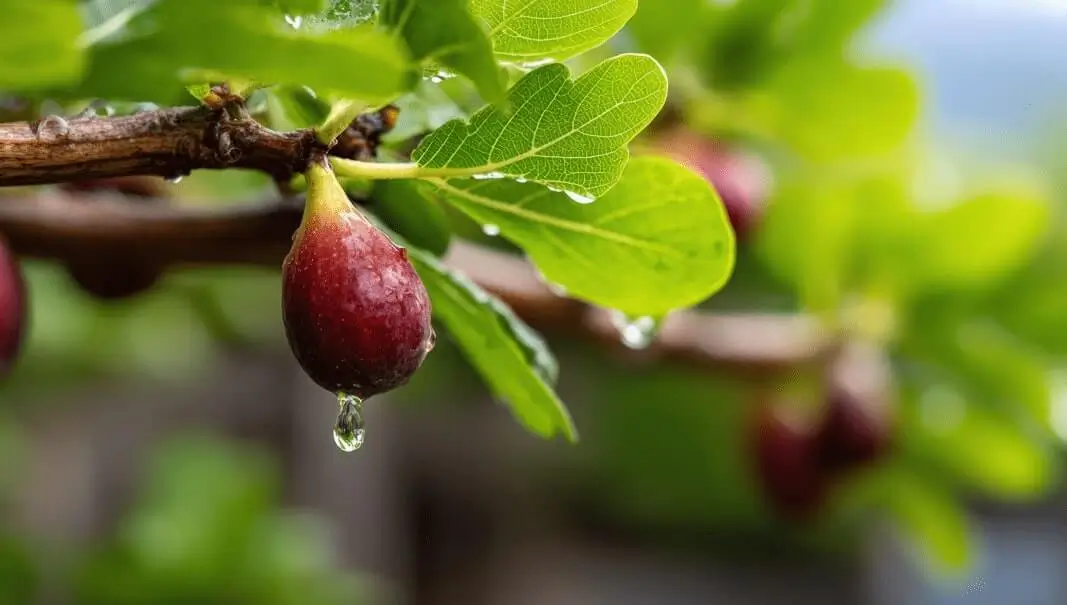
Watering plays a crucial role during the fruiting stage of container-grown trees, yet it’s one of the most common areas where gardeners make costly mistakes. Too much water can suffocate roots and cause fruit drop, while too little leads to small, dry, or poorly developed fruits. In containers, where soil dries out faster and nutrients are limited, maintaining the right watering balance becomes even more important.
During fruiting, plants require consistent moisture—not extremes. Fluctuating watering patterns can stress the plant, reduce fruit quality, and even stop fruit production altogether. Understanding the common watering mistakes and how to fix them will help you grow healthier plants, improve fruit size and flavor, and ensure a more reliable harvest from your container garden.
Why Watering Mistakes During Fruiting Matter for Container Fruit Gardening
When your fruiting plants are in pots, they rely entirely on you for water. Unlike in-ground trees that draw from a deep soil reservoir, container plants have limited soil volume and can dry out or stay wet much faster. This fluctuation is especially critical during fruiting because:
- Fruit development is moisture-sensitive. Too much water stresses roots and reduces oxygen, slowing sugar production and making fruit small or bland.
- Underwatering causes fruit drop. If the soil dries too fast, plants abort fruit to save energy for survival.
- Water balance affects nutrients. Irregular watering limits nutrient uptake, which directly impacts fruit size and quality.
Getting watering right during this phase boosts yields and prevents common problems like cracking, mold, or flavor loss.
How Watering Authentically Changes During Fruiting
Fruit isn’t just decorative—its formation demands energy and stability. Here’s how proper watering supports each stage:
- Flowering → Pollination: Consistent moisture helps flowers stay alive longer and supports pollinators.
- Fruit set: Soil that’s too wet can cause flowers to rot; too dry can cause them to drop.
- Fruit growth: Steady water supports cell expansion and sweetness.
- Ripening: Slow, even watering enhances flavor and firmness.
This season-specific watering rhythm is different from the routine you might use during vegetative growth.
Common Watering Mistakes During Fruiting and How to Fix Them
1. Watering on a Fixed Schedule Only
Beginners often stick rigidly to “water every 3 days,” regardless of conditions. Pots heat up, cool down, and dry at different rates—so a fixed calendar schedule will almost always lead to over or under-watering.
Fix:
- Use the finger test: check the top 1–2 inches of soil before watering.
- Lift pots; light weight = time to water, heavy = wait.
- Combine this with tools like a moisture meter for precision.
2. Shallow, Frequent Watering
Frequent, small watering may keep the surface damp but leaves plant roots shallow and stressed during high-demand fruiting.
Fix:
- Water slowly and deeply until water runs out of drainage holes.
- Let soil absorb moisture thoroughly rather than “pecking” at it with small splashes.
3. Letting Pots Sit in Standing Water
Standing water kills roots by suffocating them, which stops nutrient flow right when your plant needs it most.
Fix:
- After watering, empty saucers so roots aren’t sitting in water.
- Ensure containers have plenty of drainage holes and consider a raised stand.
4. Ignoring Temperature and Light Shifts
Hot summer sun dries pots faster; cool cloudy spells slow evaporation. Treating all days the same is a recipe for watering stress.
Fix:
- Water early morning when evaporation is lowest.
- In heatwaves, water twice daily (morning + evening).
- In cool seasons, check soil before adding water.
5. Overreliance on External Schedules
Guides for general watering (like our watering schedule for potted fruit trees) are great references—but your plant’s needs may differ by variety, container size, and microclimate.
- Use schedules as starting points, but always gauge plants and soil directly.
Key Best Practices for Watering During Fruiting
Choose the Right Container and Soil
Large pots with quality, well-draining soil hold moisture better and help reduce extreme swings that stress fruiting plants. Pair your watering strategy with good pot selection and soil mix to make moisture control easier. For tips on this, see our guide on premium potting mixes and container choice. (growfruitly.com)
Mulch the Soil Surface
Organic mulch (like straw or bark) reduces evaporation, keeping the root zone evenly moist without waterlogging.
Group Pots for Microclimate Control
Placing containers close together can help moderate evaporation and make moisture management more predictable.
Use Drip or Soaker Systems
Emitters that deliver water slowly help maintain consistent soil moisture—especially useful during fruiting stages.
Adapt By Season
Summer heat demands more frequent checks; cooler seasons need less water. Your watering rhythm must change as conditions do.
Tools That Make Watering Easier
- Moisture meters: Quick readouts reduce guesswork.
- Porous pots (terracotta): Helpful for thirsty plants but need more frequent checks.
- Self-watering containers: Can help regulate moisture if combined with good drainage and soil choice.
FAQs About Watering During Fruiting
Q1: How often should I water fruiting plants in containers?
A: There’s no universal number—check moisture with your finger or a meter. Often this means daily in heat and every few days in cooler weather.
Q2: Can overwatering cause fruit drop?
A: Yes. Excess soil moisture saps oxygen and can cause stress that makes plants abort fruit.
Q3: Should I water more during peak summer?
A: Absolutely. Hot weather accelerates evaporation and plant demand—adjust watering accordingly.
Q4: Is morning or evening watering better during fruiting?
A: Morning is ideal. It reduces evaporation and gives roots water before heat stresses peak.
Q5: Does container size affect watering frequency?
A: Bigger containers hold moisture longer, reducing watering frequency—but still require checks before adding water.
Q6: Can I rely on rain to water fruiting containers?
A: Only if the rainfall is substantial. Light sprinkles often wet only the surface and don’t reach deep roots.
Conclusion: Consistent Moisture = Better Fruit
Watering mistakes during fruiting can make the difference between a disappointing crop and a bumper harvest. The key takeaways:
- Match watering to plant needs, not to a calendar.
- Deep, slow moisture is better than shallow, frequent splashes.
- Adapt to weather and container conditions every week.
- Use good containers and soil to support consistent moisture.
By observing your plants and adjusting as you go, you’ll avoid the common pitfalls that trip up many beginners. Next, explore how to optimize your overall container fruit garden setup with resources on soil choice and smart small-space growing to take your yields even further. (growfruitly.com)