
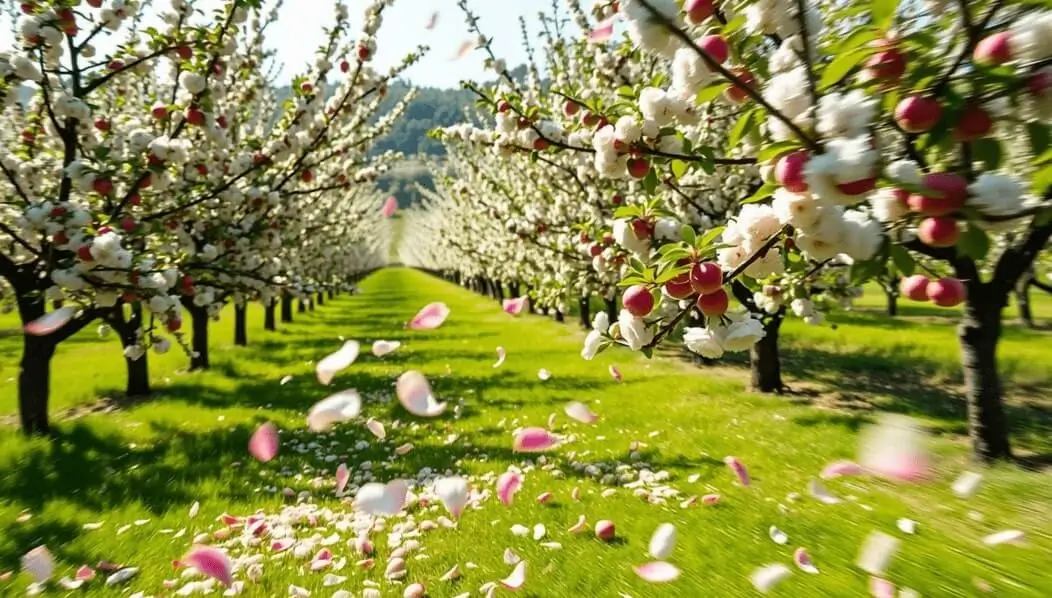
Are your fruit trees losing flowers during hot weather? Heat stress is a common problem for container-grown fruit trees, often causing blossoms to drop before they can develop into fruit. When temperatures rise too high, plants struggle to retain moisture, disrupt pollination, and conserve energy—leading to significant flower loss. In this guide, you’ll discover why fruit trees drop flowers due to heat, how to identify the warning signs, and practical solutions to protect your container plants and ensure a healthy fruit harvest.
Why Fruit Trees Dropping Flowers From Heat Is a Big Issue in Container Gardening
When temperatures rise suddenly, fruit trees react defensively. Flower drop is not a disease—it’s a survival mechanism.
Why container fruit trees are more vulnerable
Compared to in-ground trees, container-grown fruit trees face unique challenges:
- Faster root-zone heating due to exposed pots
- Limited water reserves in containers
- Greater temperature swings on balconies and patios
- Restricted nutrient access under stress
If you’re already dealing with limited sun exposure or microclimate issues, heat stress can compound existing problems. For example, trees struggling with light may already have weaker blossoms—similar to issues discussed in this guide on not enough sunlight for fruit trees in containers.
What actually happens during heat stress
When daytime temperatures climb above optimal levels (often 30–35°C / 86–95°F):
- Pollen viability drops
- Blossoms dry out faster
- Trees close stomata to conserve water
- Hormonal signals trigger flower shedding
The result: flowers fall before fruit can form.
Common Signs Your Fruit Tree Is Dropping Flowers From Heat
Not all flower drop is heat-related, but these signs strongly point to temperature stress:
- Flowers fall within days of opening
- No visible disease or pests on blooms
- Leaves look slightly curled or dull
- Soil dries out faster than usual
- Drop happens after a heatwave or hot wind
If flower drop is combined with leaf burn or scorched edges, heat stress is almost certainly the cause. You may also want to rule out root-related issues like old or compacted soil, as explained in how to refresh potting soil for container fruit trees.
Step-by-Step Solutions for Fruit Trees Dropping Flowers From Heat
1. Move containers out of extreme afternoon heat
If possible, relocate pots so trees receive:
- Morning sun (gentler and beneficial)
- Protection from harsh afternoon sun
- Shelter from hot, drying winds
Even shifting a pot 1–2 meters can reduce heat stress dramatically.
2. Use temporary shade during heatwaves
Shade cloth (30–50%) is highly effective during flowering:
- Install it only during extreme heat
- Remove once temperatures stabilize
- Avoid heavy shade that reduces pollination
Balcony growers can use umbrellas, bamboo screens, or light fabric.
3. Water deeply and consistently (but correctly)
During flowering, inconsistent watering worsens flower drop.
Best practices:
- Water early in the morning
- Ensure water drains freely
- Avoid shallow, frequent watering
If water sits on the surface or drains too fast, root health may already be compromised—sometimes linked to soil imbalance or fungus, which is covered in this guide on soil fungus in containers.
4. Mulch to protect roots from heat
Mulching isn’t just for in-ground trees.
Use:
- Straw
- Bark chips
- Coconut coir
Benefits:
- Keeps soil cooler
- Reduces evaporation
- Protects delicate feeder roots
Leave a small gap around the trunk to prevent rot.
5. Pause fertilizing during extreme heat
Many gardeners unknowingly make heat stress worse by fertilizing during flowering.
Avoid:
- High-nitrogen fertilizers
- Liquid feeds during heatwaves
Excess nutrients push leafy growth when the tree should focus on survival.
Best Containers and Soil to Reduce Heat Stress
Choose the right container
Ideal containers:
- Large volume (minimum 40–60 liters)
- Light-colored or insulated
- Thick-walled (ceramic, wood, fabric pots)
Dark plastic pots absorb heat and can literally cook roots.
Optimize your soil mix
A heat-resilient mix should:
- Drain well but retain moisture
- Contain organic matter
- Stay airy even when wet
If your tree hasn’t flowered well before dropping blooms, it may already be under stress—similar to problems discussed in why fruit trees don’t flower in containers.
Common Beginner Mistakes That Cause Heat-Related Flower Drop
Avoid these frequent errors:
- ❌ Overwatering to “cool” the tree
- ❌ Fertilizing during heat stress
- ❌ Using pots that are too small
- ❌ Ignoring sudden weather changes
- ❌ Leaving trees exposed on reflective surfaces
Heat stress often comes from combined factors, not temperature alone.
How Long Does It Take for Trees to Recover?
Recovery depends on:
- Tree species
- Severity of heat
- Root health
- Ongoing care
Good news:
- Many fruit trees will reflower once conditions improve
- Some may set fruit from later blooms
- Healthy trees recover faster than stressed ones
Patience and consistency matter more than quick fixes.
FAQ: Fruit Trees Dropping Flowers From Heat
Why do fruit trees drop flowers during heatwaves?
High temperatures damage pollen viability and increase water stress, triggering the tree to shed flowers to conserve energy.
Will my fruit tree produce fruit after dropping flowers?
Yes, many trees bloom again if heat stress is reduced and care is corrected.
Is flower drop normal for container fruit trees?
Some flower drop is normal, but heavy drop usually signals stress—often heat-related.
Should I mist flowers during hot weather?
Light misting can help briefly, but it’s not a substitute for deep root watering and shade.
Do all fruit trees react the same way to heat?
No. Citrus, figs, and pomegranates handle heat better than apples, pears, or cherries in containers.
Conclusion: Turn Flower Drop Into Healthy Fruit
Fruit trees dropping flowers from heat is frustrating—but it’s also preventable and manageable, especially in container gardening. By protecting roots, managing water wisely, providing temporary shade, and avoiding stress-inducing mistakes, you give your tree the stability it needs to hold onto blossoms and set fruit.
Your next steps:
- Monitor temperatures daily during flowering
- Adjust placement before heatwaves hit
- Improve soil and container conditions
- Focus on consistency, not quick fixes
With the right strategy, those fallen flowers can become a learning moment—and your next bloom cycle can bring the harvest you’ve been waiting for. 🌱🍎