
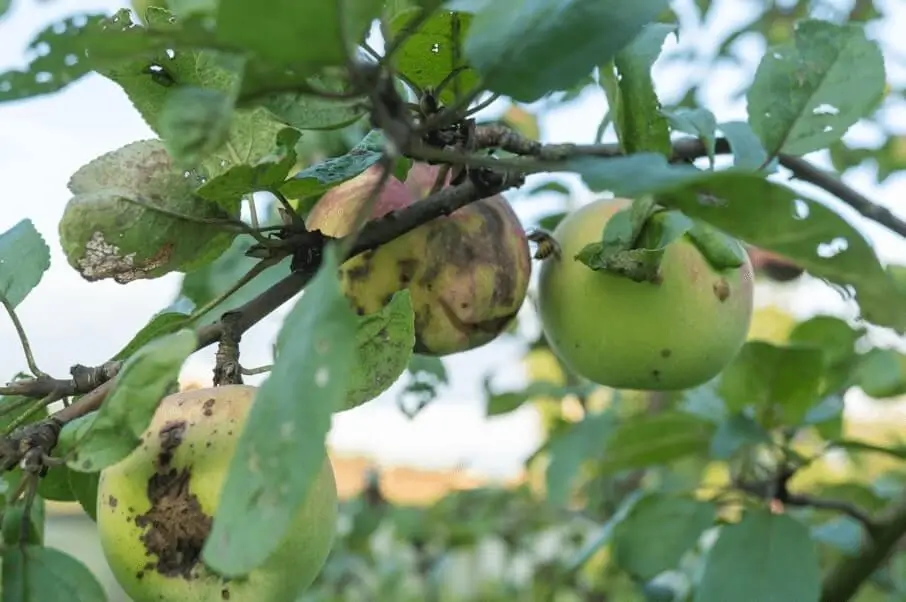
Indoor fruit trees can transform your home into a productive, green oasis—but they also create the perfect environment for pests to thrive. Unlike outdoor plants, indoor trees lack natural predators, making it easier for insects to multiply quickly and cause damage. If left untreated, these pests can weaken your plants, reduce fruit production, and even kill young trees.
This beginner-friendly guide will help you identify common indoor pest problems on fruit trees, understand why they occur, and apply safe, effective solutions to control and prevent infestations—so your indoor garden stays healthy year-round.
Why Indoor Pest Problems on Fruit Trees Matter for Container Gardeners
Growing fruit trees indoors or on balconies offers incredible flexibility, but it also creates a unique pest environment.
Unlike outdoor trees, indoor fruit trees:
- Lack natural predators (ladybugs, birds)
- Experience stable temperatures pests love
- Often face airflow and humidity issues
- Are grown in confined containers where pests multiply fast
Small Space = Big Impact
When pests attack indoor fruit trees, damage spreads faster. A single aphid infestation can cover an entire dwarf citrus tree in days, weakening growth, reducing flowering, and even causing fruit drop.
Stress Lowers Pest Resistance
Container-grown fruit trees already manage:
- Limited root space
- Nutrient fluctuations
- Inconsistent watering
This stress makes them more attractive and vulnerable to pests, especially sap-sucking insects.
If you’re also dealing with leaf damage, our guide on leaf holes caused by common fruit tree pests explains how chewing insects differ from indoor sap feeders.
Most Common Indoor Pest Problems on Fruit Trees (And How to Identify Them)
Aphids
- Appearance: Green, black, or brown clusters on new growth
- Signs: Curling leaves, sticky residue (honeydew)
- Common on: Citrus, fig, peach, apple seedlings
Spider Mites
- Appearance: Tiny red or yellow dots (hard to see)
- Signs: Speckled leaves, fine webbing, leaf drop
- Trigger: Dry indoor air
Scale Insects
- Appearance: Small brown or white bumps on stems
- Signs: Weak growth, sticky leaves
- Often mistaken for: Natural bark texture
Fungus Gnats
- Appearance: Small black flies around soil
- Signs: Larvae damage roots, slow growth
- Cause: Overwatering and poor drainage
Sticky residue is often the first clue. If that’s your main symptom, read why sticky leaves appear on indoor fruit trees to narrow down the cause.
Step-by-Step Solutions for Indoor Pest Problems on Fruit Trees
Step 1: Isolate the Plant Immediately
Move the affected fruit tree away from other plants to prevent spread. Even mild infestations can jump quickly in indoor spaces.
Step 2: Physically Remove Pests
- Rinse leaves with lukewarm water
- Wipe stems with a damp cloth
- Prune heavily infested growth
This alone can reduce pest populations by 50–70%.
Step 3: Use Safe, Effective Treatments
Neem Oil Spray
- Controls aphids, mites, and scale
- Disrupts pest reproduction
- Apply every 7–10 days
Our detailed tutorial on using neem oil safely on indoor fruit trees walks you through mixing and application.
Insecticidal Soap
- Best for soft-bodied pests
- Use in the evening to avoid leaf burn
Alcohol Spot Treatment
- Dab scale insects with cotton swab
- Works fast on small infestations
Step 4: Address the Root Cause
Pests thrive when plants are stressed. Adjust:
- Watering frequency
- Light exposure
- Air circulation
If pests keep returning, the issue is often soil-related. See how mold and moisture issues in fruit tree soil attract pests for corrective steps.
Best Care Practices to Prevent Indoor Pest Problems on Fruit Trees
Improve Airflow
- Use a small oscillating fan
- Avoid crowding plants
Optimize Watering
- Let top 2–3 cm of soil dry
- Use pots with drainage holes
- Empty saucers after watering
Choose the Right Containers
- Breathable terracotta reduces moisture buildup
- Avoid oversized pots that stay wet too long
Strengthen Plant Health Naturally
Healthy plants resist pests better. Feed with:
- Balanced organic fertilizer
- Compost tea (monthly)
- Worm castings (top dressing)
Common Beginner Mistakes That Make Indoor Pest Problems Worse
Overusing Pesticides
Frequent spraying:
- Kills beneficial microbes
- Stresses leaves
- Creates pest resistance
Ignoring Early Signs
Small infestations are easy to control. Waiting until leaves drop makes recovery much harder.
Overwatering
This is the #1 cause of fungus gnats and root stress indoors.
Skipping Leaf Inspections
Check the underside of leaves weekly—most pests hide there.
Tools and Supplies That Make Pest Control Easier
- Hand sprayer (fine mist)
- Soft microfiber cloth
- Neem oil concentrate
- Yellow sticky traps (for gnats)
- Moisture meter
These tools help you respond quickly before pests spread.
FAQ: Indoor Pest Problems on Fruit Trees
Why do my indoor fruit trees get pests but outdoor ones don’t?
Indoor environments lack natural predators and often have stable temperatures pests love.
Can indoor fruit trees recover after pest damage?
Yes—if treated early and stress factors are corrected, most fruit trees fully recover.
Is neem oil safe to use indoors?
Yes, when diluted correctly and used with good ventilation.
How often should I inspect indoor fruit trees for pests?
Once per week is ideal, especially during active growth.
Do pests affect fruit quality?
Severe infestations can reduce flowering, fruit size, and flavor.
Conclusion: Take Control of Indoor Pest Problems on Fruit Trees
Indoor pest problems on fruit trees are common—but they’re also completely manageable with the right approach. By identifying pests early, using gentle treatments, and improving growing conditions, you can protect your container fruit trees without chemicals or guesswork.
Your next steps:
- Inspect leaves and stems today
- Correct watering and airflow issues
- Apply targeted treatment if needed
- Monitor weekly for early signs
With consistency and care, your indoor fruit trees can thrive—healthy, pest-free, and productive all year long.