
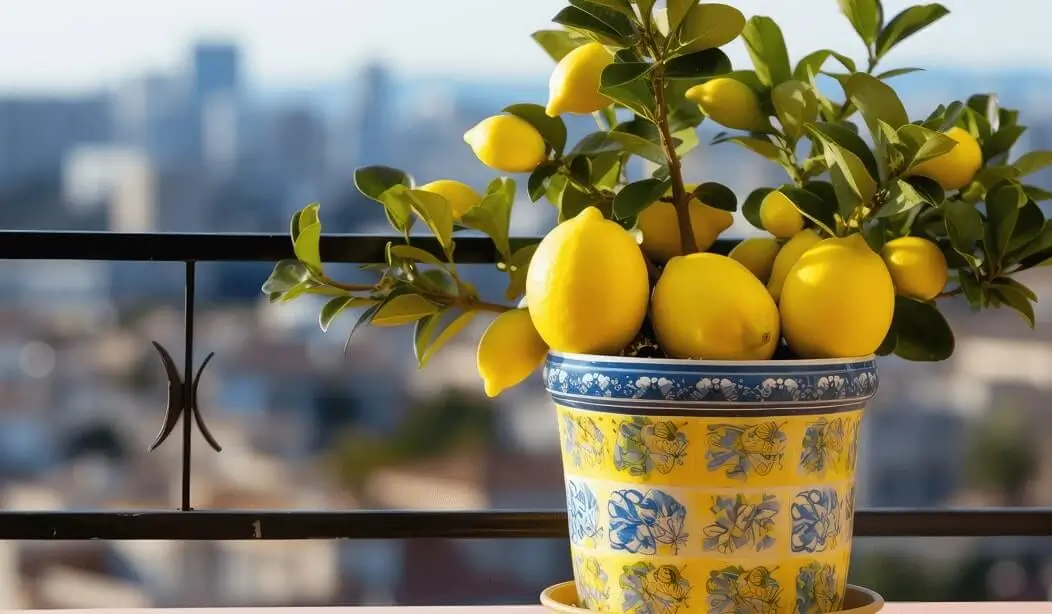
Growing fruit trees in small containers is one of the smartest ways to enjoy fresh harvests when space is limited. Whether you garden on a balcony, patio, rooftop, or tiny backyard, compact fruit trees can thrive in pots while producing delicious fruit year after year. Choosing the right dwarf or container-friendly varieties makes it possible to create a productive mini orchard without needing a large garden. In this guide, you’ll discover the best fruit trees for small containers, how to care for them, and practical tips for maximizing harvests in compact spaces.
Why Choosing the Right Fruit Tree for Small Containers Matters
Container fruit gardening is all about balance. A small pot limits root growth, water retention, and nutrient availability. When a fruit tree isn’t suited to container life, problems show up fast: stunted growth, yellow leaves, or no fruit at all.
Key reasons this topic matters:
- Root restriction: Large or vigorous trees quickly outgrow small pots.
- Water management: Small containers dry out faster, stressing unsuitable trees.
- Long-term success: The right tree can thrive for years in a compact container.
- Beginner confidence: Proper choices reduce mistakes and wasted effort.
If you’re new to container growing, starting with compact, slow-growing fruit trees dramatically improves your chances of success—especially when combined with smart pot and soil choices.
What Makes a Fruit Tree Suitable for Small Containers?
Before jumping into specific tree recommendations, it’s important to understand why certain fruit trees perform better in small containers.
Ideal characteristics to look for:
- Naturally compact growth habit
- Dwarf or semi-dwarf rootstock
- Shallow, fibrous root systems
- Good fruiting even with limited root space
- Adaptability to pruning
If you’re unsure about container basics, it helps to first understand the fundamentals of growing fruit trees in containers vs ground planting, as container care follows a different set of rules.
Best Fruit Trees for Small Containers (Top Picks)
Below are the most reliable, beginner-friendly fruit trees that perform exceptionally well in small containers (10–20 gallons).
1. Dwarf Citrus Trees (Lemon, Lime, Orange)
Citrus trees are among the best fruit trees for small containers, especially in warm or temperate climates.
Why they work:
- Compact growth with pruning
- Evergreen foliage
- High yield relative to size
Best varieties:
- Dwarf Meyer Lemon
- Key Lime
- Calamondin Orange
Container size: 12–18 gallons
Sun: Full sun (6–8 hours daily)
Sun: Full sun (6–8 hours daily)
💡 Proper watering is critical—follow a consistent watering schedule for potted fruit plants to avoid fruit drop.
2. Fig Trees (Especially ‘Petite’ Varieties)
Figs naturally adapt to container life and actually fruit better when slightly root-restricted.
Why they work:
- Tolerant of pruning
- Shallow roots
- Reliable fruiting in pots
Best varieties:
- Petite Negra
- Brown Turkey (dwarf form)
Container size: 10–15 gallons
Bonus: Excellent choice for patios and terraces
Bonus: Excellent choice for patios and terraces
3. Dwarf Apple Trees
Apples may seem like large orchard trees, but dwarf varieties perform beautifully in containers.
Why they work:
- Grafted onto dwarf rootstock
- Respond well to pruning.
- Long productive lifespan in pots
Best varieties:
- Gala (dwarf)
- Fuji (dwarf)
- Honeycrisp (dwarf)
Important tip: Many apples need a pollination partner, so plan accordingly.
4. Pomegranate (Dwarf Varieties)
Pomegranates are hardy, attractive, and surprisingly container-friendly.
Why they work:
- Naturally bushy growth
- Tolerant of heat and drought
- Ornamental flowers
Best varieties:
- Nana Dwarf Pomegranate
Container size: 10–15 gallons
Great for: Hot climates and sunny balconies
Great for: Hot climates and sunny balconies
5. Olive Trees (Compact or Dwarf)
Olive trees grow slowly and adapt well to long-term container life.
Why they work:
- Slow root growth
- Minimal pruning needs
- Excellent drought tolerance
Container size: 15–20 gallons
Climate note: Best for warm, dry regions
Climate note: Best for warm, dry regions
6. Guava (Strawberry or Tropical Guava)
Guava trees stay compact in containers and fruit reliably with good care.
Why they work:
- Shallow roots
- High productivity in pots
- Suitable for indoor overwintering
Container size: 10–15 gallons
Extra tip: Protect from frost in colder regions.
Extra tip: Protect from frost in colder regions.
Step-by-Step: How to Grow Fruit Trees Successfully in Small Containers
Step 1: Choose the Right Container
Small containers must still offer adequate drainage and stability.
Key features:
- Drainage holes (non-negotiable)
- Lightweight but sturdy material
- Wide base for stability
If drainage is overlooked, root rot becomes inevitable—review these drainage tips for container fruit trees to avoid common pitfalls.
Step 2: Use the Right Potting Mix
Avoid garden soil—it compacts easily and suffocates roots.
Ideal mix includes:
- High-quality potting soil
- Perlite or pumice for aeration
- Compost for nutrients
Step 3: Prune to Maintain Size
Pruning isn’t optional in small containers—it’s essential.
Focus on:
- Removing vertical growth
- Encouraging lateral branches
- Maintaining airflow
This also helps prevent issues such as slow fruit tree growth in containers, which often result from overcrowded branches.
Step 4: Feed Regularly but Gently
Small containers leach nutrients quickly.
Best practices:
- Slow-release organic fertilizer
- Supplemental liquid feeding during growth
- Avoid over-fertilizing (leads to leaf growth, not fruit)
Common Mistakes Beginners Make (and How to Avoid Them)
Mistake 1: Choosing Full-Size Trees
Large trees outgrow small containers quickly and decline.
Mistake 2: Underestimating Water Needs
Small containers dry out faster than garden soil.
Mistake 3: Skipping Repotting
Even compact trees need fresh soil every 2–3 years. Learn how to repot fruit trees correctly to keep them healthy in the long term.
Mistake 4: Poor Sun Placement
Most fruit trees require at least 6 hours of direct sunlight daily.
Tools, Containers, and Care Tips for Small-Space Success
Essential tools:
- Hand pruners
- Moisture meter
- Lightweight watering can
Container tips:
- Use wheeled plant caddies for mobility.
- Insulate pots in extreme temperatures.
- Elevate containers slightly to improve airflow.
For apartment gardeners, choosing lightweight pots for balcony fruit trees can make moving and maintenance much easier.
FAQ: Best Fruit Trees for Small Containers
1. What is the easiest fruit tree to grow in a small container?
Dwarf citrus trees are the easiest due to their adaptability and consistent fruiting.
2. How small can a container be for fruit trees?
Most small container fruit trees need at least 10 gallons to remain productive.
3. Can fruit trees live permanently in containers?
Yes, many dwarf trees can thrive for years with proper pruning and repotting.
4. Do container fruit trees produce less fruit?
They may produce fewer fruits than ground-grown trees, but the quality is often just as good.
5. Can I grow fruit trees indoors?
Some varieties can, but only with excellent light—see whether fruit trees can thrive in apartments before trying.
Conclusion: Your Next Steps to Growing Fruit in Small Containers
Growing fruit doesn’t require a big garden—just smart choices. By selecting the best fruit trees for small containers, using proper soil and pots, and following consistent care practices, you can enjoy fresh, homegrown fruit even in the smallest spaces.
Next steps:
- Choose one beginner-friendly tree from this list.
- Invest in a quality container with good drainage.
- Follow a consistent watering and pruning routine.
With the right approach, your small container can become a surprisingly productive mini orchard—one harvest at a time. 🌱🍎