
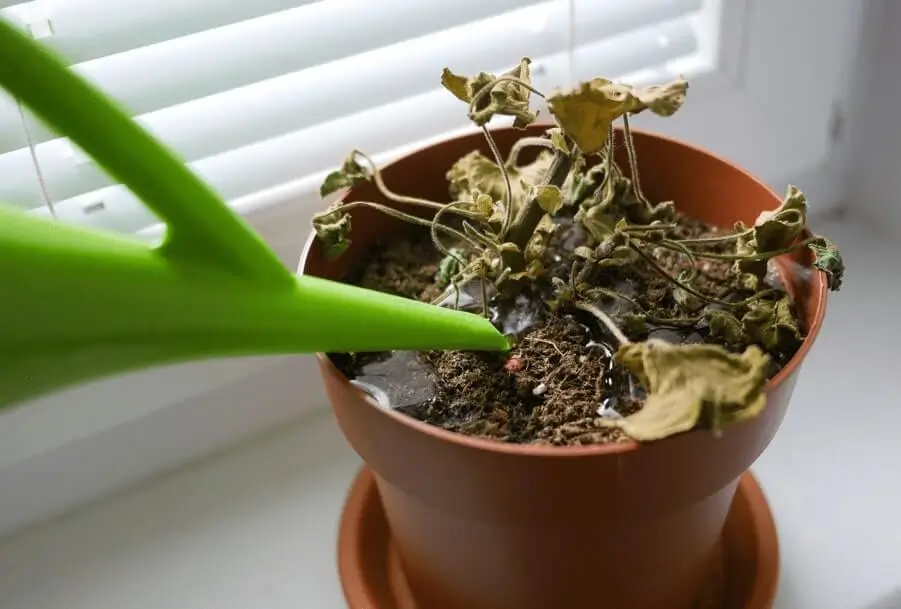
Overwatering is one of the most common mistakes when growing fruit trees in containers, often leading to root damage, poor growth, and even plant death. While water is essential, too much of it can suffocate roots and create ideal conditions for disease. In this guide, you’ll learn how to recognize the signs of overwatering, understand its causes, and apply practical solutions to restore your potted fruit trees to full health.
The good news is that overwatering fruit trees in containers is completely fixable once you understand how containers, soil, and roots really work together. In this guide, you’ll learn exactly why overwatering happens, how to spot early warning signs, and step-by-step solutions to correct it fast. Whether you’re growing citrus, apples, figs, or tropical fruit in pots, this article will help you restore your tree’s health and grow confidently in small spaces.
Why Overwatering Fruit Trees in Containers Is a Serious Problem
Containers Change How Water Behaves
In containers, water doesn’t drain or evaporate the same way it does in garden soil. Excess water has nowhere to go unless the pot, soil, and watering habits are perfectly balanced. When soil stays wet for too long, oxygen levels drop, and roots begin to suffocate.
Healthy roots need both moisture and air. Without oxygen:
- Root tips die first
- Nutrient uptake slows
- Fungal diseases thrive
This is why overwatering fruit trees in containers causes more damage than occasional underwatering.
Overwatering Leads to Long-Term Root Damage
Constantly wet soil encourages fungal pathogens such as Pythium and Phytophthora. These organisms attack weakened roots and cause decay. If not corrected early, this process leads to root rot, a condition that is difficult to reverse once advanced.
If your tree already shows signs like mushy roots or foul-smelling soil, read this in-depth guide on root rot in potted fruit trees to understand recovery options and when replacement is the only solution.
Fruit Trees Are Especially Sensitive
Fruit trees require stable conditions to grow, flower, and fruit. Overwatering disrupts:
- Flower formation
- Fruit set
- Root-to-shoot balance
That’s why many gardeners notice flowers falling, fruits dropping, or slow growth when watering is excessive.
Signs You’re Overwatering Fruit Trees in Containers
Overwatering doesn’t always look like soggy soil on the surface. Watch for these common symptoms:
Above-Ground Warning Signs
- Yellowing leaves (especially lower leaves)
- Soft, limp foliage that doesn’t perk up
- Leaf drop even when soil is wet
- Poor flowering or flowers falling early
- Small, tasteless, or dropped fruit
Yellow leaves are often misunderstood. If this is happening to your tree, this guide on why container fruit trees get yellow leaves explains how to tell overwatering apart from nutrient issues.
Below-Ground Red Flags
- Soil stays wet for days after watering
- Sour or rotten smell from the pot
- Roots appear brown, black, or mushy
- Algae or mold growing on soil surface
If your tree is declining rapidly after a recent repot, overwatering combined with root stress may be the cause. Learn more in why fruit trees struggle after repotting.
Why Overwatering Happens (Even to Careful Gardeners)
1. Watering on a Schedule Instead of by Need
Many beginners water daily or every other day without checking soil moisture. Containers don’t dry out on a fixed schedule — temperature, pot size, soil type, and tree size all matter.
2. Poorly Draining Potting Mix
Regular garden soil or cheap potting mix compacts over time, trapping water around roots. Even if the pot has drainage holes, bad soil can still cause waterlogging.
3. Oversized Pots
Large pots hold more soil — and more water. Small trees in big containers often suffer from constantly wet root zones.
4. Inadequate Drainage Holes
One small drainage hole is rarely enough for fruit trees. Without fast drainage, water pools at the bottom and suffocates roots.
Step-by-Step Solutions to Fix Overwatering Fruit Trees in Containers
Step 1: Check Soil Moisture Properly
Before watering:
- Insert your finger 2–3 inches into the soil
- Use a wooden stick or moisture meter
- Lift the pot — heavy pots usually mean wet soil
Only water when the top few inches feel dry.
Step 2: Improve Drainage Immediately
If water drains slowly or not at all:
- Ensure multiple drainage holes
- Elevate the pot slightly so water can escape
- Remove saucers that trap runoff
Step 3: Switch to a Well-Draining Potting Mix
An ideal container mix for fruit trees should include:
- High-quality potting soil
- Perlite or pumice for aeration
- Pine bark or coco coir for structure
Avoid pure compost or garden soil.
Step 4: Repot If Necessary
If soil stays wet for days or roots are damaged:
- Remove the tree gently from the pot
- Trim dead or rotting roots
- Repot into fresh, well-draining mix
- Use a pot that matches root size
Repotting often saves trees suffering from chronic overwatering.
Step 5: Adjust Watering Frequency by Season
- Spring/Summer: Water deeply but less often
- Fall: Reduce watering as growth slows
- Winter: Water sparingly — dormant trees need very little
Overwatering in winter is a major cause of slow growth, explained in why container fruit trees grow slowly.
Best Containers, Soil, and Tools to Prevent Overwatering
Choosing the Right Container
- Material: Fabric pots, terracotta, or breathable containers
- Size: Only 2–4 inches wider than root ball
- Drainage: Multiple holes, not just one
Ideal Soil Components
- Loose, airy texture
- Fast drainage with good moisture retention
- Stable structure that doesn’t compact quickly
Helpful Tools
- Moisture meter (used cautiously)
- Mulch to regulate evaporation
- Pot feet or risers for airflow
Common Beginner Mistakes That Cause Overwatering
- Watering “just in case”
- Mistaking wilted leaves for thirst
- Using decorative pots with no drainage
- Leaving pots sitting in water
- Ignoring seasonal watering changes
Overwatering also contributes to fruit drop. If your tree loses young fruit suddenly, see why container fruit trees drop fruit early for deeper insight.
FAQ: Overwatering Fruit Trees in Containers
How often should I water fruit trees in containers?
Water only when the top 2–3 inches of soil are dry. Frequency varies with weather, pot size, and tree type.
Can overwatered fruit trees recover?
Yes — if caught early. Improve drainage, reduce watering, and repot if necessary.
Do fruit trees prefer moist or dry soil?
They prefer evenly moist but well-aerated soil, never soggy or waterlogged.
Is yellowing always caused by overwatering?
No. It can also indicate nutrient deficiencies, but overwatering is a very common cause in containers.
Should I water container fruit trees every day in summer?
Not always. Deep watering every few days is better than daily shallow watering.
Conclusion: Grow Smarter, Not Wetter
Overwatering fruit trees in containers is a silent killer — but it’s also completely preventable. By understanding how containers hold water, choosing the right soil and pots, and learning when not to water, you protect your tree’s roots and long-term productivity.
Your next steps:
- Check drainage and soil today
- Adjust your watering habits immediately
- Repot if roots are struggling
Healthy roots mean healthy fruit. With the right approach, your container fruit trees will reward you with strong growth, beautiful blooms, and reliable harvests — even in the smallest spaces.