
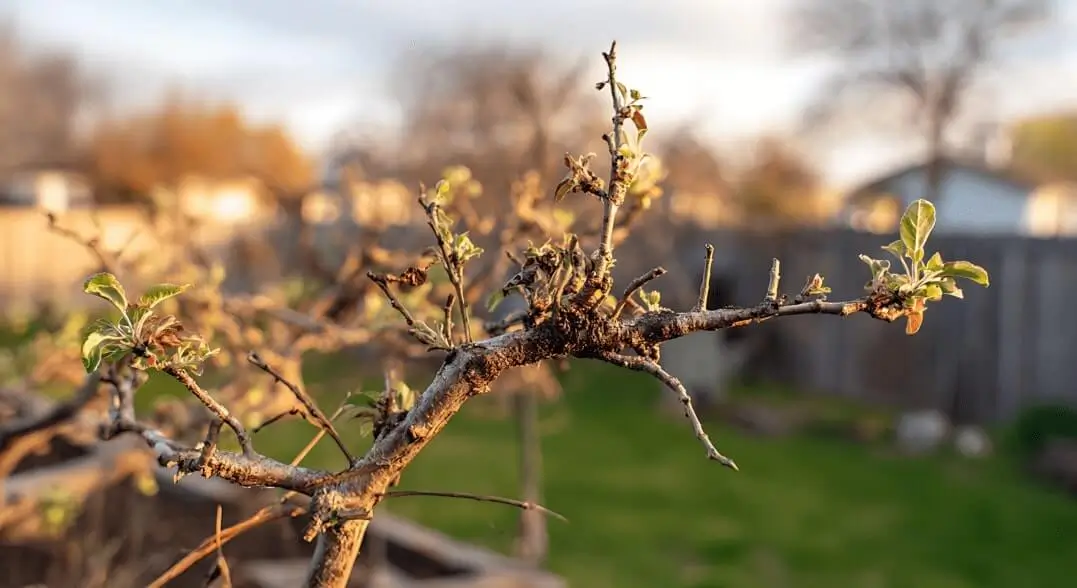
Fruit trees growing leaves but no flowers can be frustrating, especially when healthy green growth appears but no blooms or fruit develop. In many cases, the problem is caused by improper pruning, too much nitrogen fertilizer, lack of sunlight, incorrect watering, tree age, or insufficient winter chilling hours. Understanding why fruit trees grow leaves but no flowers is the first step toward restoring healthy blooming and improving fruit production. In this guide, you’ll discover the most common causes, practical fixes, and proven solutions to help your fruit trees flower successfully and produce better harvests.
Why This Problem Matters in Container Fruit Gardening
Container-grown fruit trees behave differently from those planted in the ground. Pots restrict roots, alter water dynamics, and intensify nutrient imbalances. While leaves indicate active growth, flowers require a precise balance of stress, nutrients, light, and seasonal cues.
When a potted fruit tree fails to flower:
- You lose an entire growing season of fruit.
- The tree may grow tall and weak instead of compact and productive.
- Extra leaves increase water and nutrient demand without reward.
Understanding this balance is essential if you want consistent harvests from patio, balcony, or backyard container trees.
The Main Reasons Fruit Trees Grow Leaves but No Flowers
1. Too Much Nitrogen (The #1 Cause)
Nitrogen fuels leafy growth. Excess nitrogen signals your tree to keep growing leaves rather than switching to reproductive mode.
Common nitrogen sources:
- Lawn fertilizers are used nearby.
- High-nitrogen liquid feeds
- Fresh compost or manure-heavy soil mixes.
Signs of nitrogen excess
- Large, dark green leaves
- Fast vertical growth
- Soft, flexible stems
- Zero buds or blooms
➡️ If this sounds familiar, review your fertilizing routine in our guide on how often to fertilize fruit trees in pots and rebalance nutrients toward flowering.
2. Insufficient Sunlight
Most fruit trees need 6–8 hours of direct sunlight to trigger flower bud formation. In containers, even slight shade can make the difference between blooms and bare branches.
Common mistakes:
- Placing pots near walls or railings
- Growing on balconies with partial sun
- Seasonal sun angle changes block light.
Fix
- Move containers to the sunniest location.
- Rotate pots weekly for even exposure.
- Avoid indoor overwintering areas with low light.
3. Tree Is Still Too Young
Many fruit trees—especially citrus, apples, and stone fruits—need time to mature before flowering.
Typical flowering timelines:
- Grafted citrus: 2–3 years
- Apples & pears: 3–5 years
- Seed-grown trees: 5–8+ years
Leaves without flowers on young trees are normal, not a sign of failure.
➡️ If your tree is mature but still not flowering, compare causes with our article on why fruit trees don’t produce fruit in pots for deeper insights.
4. Improper Pruning
Pruning at the wrong time can remove flower buds before they ever open.
Common pruning errors:
- Heavy pruning in late winter
- Cutting last year’s growth (where flowers form)
- Shaping instead of selective pruning
Best practice
- Prune lightly
- Know whether your tree flowers on old or new wood.
- Avoid pruning just before bloom season.
5. Stress From Root Restriction or Poor Pot Size
Roots need just enough space—not too much, not too little.
Problems caused by poor container sizing:
- Roots circling tightly (rootbound)
- Excess soil stays wet too long.
- Weak root-to-canopy balance
➡️ If you’re unsure about sizing, see our detailed guide on choosing the best pot size for fruit trees to restore balance and encourage flowering.
6. Incorrect Watering Patterns
Water stress affects flowering more than leaf growth. A tree may survive with poor watering—but it won’t bloom.
Overwatering
- Promotes leafy growth
- Reduces oxygen in roots
- Delays flowering signals
Underwatering
- Causes bud drop
- Prevents flower formation
➡️ Follow a seasonal approach outlined in the best time of day to water fruit trees to optimize bloom development.
Step-by-Step Solutions to Trigger Flowering
Step 1: Switch to a Bloom-Friendly Fertilizer
- Use low-nitrogen formulas (e.g., 5-10-10)
- Apply before bloom season.
- Avoid feeding during excessive leaf growth.
Step 2: Increase Sun Exposure Immediately
- Relocate containers
- Trim nearby shade plants.
- Avoid reflective heat stress.
Step 3: Adjust Watering Rhythm
- Water deeply, then allow slight drying.
- Never keep soil constantly soggy.
- Match watering to seasonal needs.
Step 4: Check Pot and Roots
- Inspect drainage holes
- Repot if severely rootbound
- Use breathable containers when possible.
Step 5: Practice Minimal, Correct Pruning
- Remove dead or crossing branches only.
- Avoid cutting flower-bearing wood.
- Prune after fruiting when possible.
Common Beginner Mistakes That Prevent Flowering
- Feeding “more fertilizer,” thinking it helps.
- Growing fruit trees like houseplants
- Constantly moving pots mid-season
- Using garden soil instead of potting mix
- Expecting fruit too soon
Avoiding these mistakes alone can restore flowering within one season.
Tools, Soil, and Care Tips That Make a Difference
Recommended essentials
- Well-draining fruit tree potting mix
- Containers with multiple drainage holes
- Balanced bloom-stage fertilizer
- Moisture meter (optional but helpful)
Soil tip
Use soil that drains fast but retains nutrients. Poor soil structure is a silent killer of flowering.
Use soil that drains fast but retains nutrients. Poor soil structure is a silent killer of flowering.
Frequently Asked Questions (FAQ)
Why does my fruit tree look healthy but not flower?
Because leaf growth doesn’t equal reproductive readiness. Excess nitrogen, low light, or immaturity are usually the cause.
Will flowers appear next season automatically?
Not always. Conditions must change—especially fertilizer, sunlight, and pruning habits.
Can I force a fruit tree to flower?
You can encourage flowering by adjusting nutrients, light, and mild stress—but forcing is not recommended.
Do container fruit trees flower later than ground trees?
Yes. Containers often delay maturity and flowering by 1–2 seasons.
Should I stop fertilizing completely?
No. Reduce nitrogen, but continue balanced feeding to support overall health.
Conclusion: Turning Leafy Growth Into Real Fruit
If your fruit trees are growing leaves but no flowers, the issue isn’t failure—it’s miscommunication between you and the plant. Leaves mean the tree is alive and growing; flowers require the right balance of nutrients, light, water, and timing.
By correcting nitrogen levels, maximizing sunlight, choosing the right container size, and refining your care routine, you can trigger flowering naturally—even in small spaces. Apply the steps in this guide, observe changes carefully, and your tree will reward you with blossoms—and eventually, fruit.
Your next growing season can be the one that finally blooms. 🌸🍎