
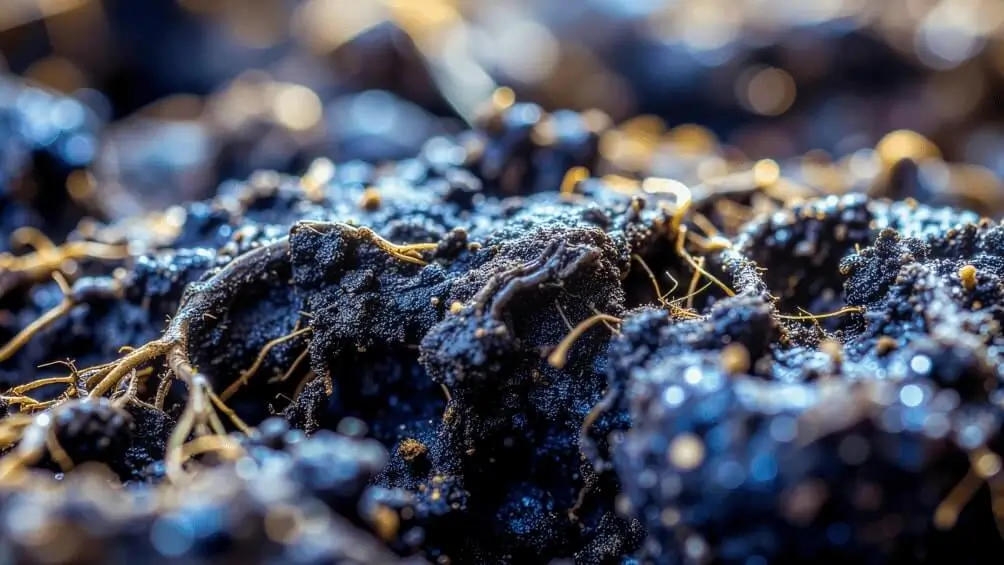
When potting soil lacks beneficial microorganisms, fruit plants struggle to absorb nutrients, resist diseases, and grow vigorously. Unlike natural garden soil, container mixes can become sterile over time, especially with repeated watering, chemical use, or poor-quality substrates. Understanding how to restore microbial life is essential for creating a thriving soil ecosystem that supports strong roots and productive fruit plants.
Why Lack of Microorganisms in Potting Soil Matters for Container Fruit Gardening
Microorganisms are the unseen workforce of your container garden. They include bacteria, fungi, protozoa, and beneficial nematodes, all of which play critical roles in plant health.
What Microorganisms Do for Fruit Plants in Pots
In living soil, microorganisms:
- Break down organic matter into nutrients roots can absorb
- Transport phosphorus and micronutrients through fungal networks
- Improve root growth and disease resistance
- Help regulate soil moisture and structure
Without them, fruit plants must rely only on soluble nutrients, which often leads to nutrient lockout, salt buildup, and weak root systems.
Why Container Soil Loses Microbial Life So Easily
Potting soil is very different from garden soil. Microbial populations decline quickly because of:
- Sterile or peat-heavy commercial mixes
- Overwatering and poor drainage
- Repeated use of synthetic fertilizers
- Lack of organic material
If you’ve already struggled with poor root development in containers, it’s often linked to low microbial activity rather than root genetics or pot size.
Signs Your Potting Soil Lacks Beneficial Microorganisms
Before fixing the problem, confirm it. Common symptoms include:
- Slow growth despite regular feeding
- Yellowing leaves with no clear nutrient deficiency
- Hard, compacted soil surface
- Water draining too fast or pooling excessively
- Lack of earthy smell when soil is moist
These signs often overlap with issues like using the wrong soil mix for container fruit plants, but microbial imbalance is usually the root cause.
Step-by-Step Solutions to Restore Microorganisms in Potting Soil
Step 1: Add High-Quality Organic Matter
Microorganisms need food. The fastest way to restore them is by feeding the soil.
Best options for containers:
- Worm castings (top 10–20% of the soil volume)
- Mature compost (well-finished, no strong odor)
- Leaf mold or composted bark fines
Mix gently into the top layer to avoid disturbing roots.
Step 2: Inoculate Soil with Beneficial Microbes
Sometimes soil doesn’t just need food—it needs new life introduced.
Effective inoculants include:
- Mycorrhizal fungi powders or granules
- Aerated compost tea
- Microbial soil conditioners
Apply during planting or water them in to reach the root zone.
Step 3: Stop Killing Microbes Accidentally
Many beginners unknowingly undo their progress.
Avoid:
- Chlorinated water (let tap water sit 12–24 hours)
- Chemical fertilizers and fungicides
- Allowing soil to dry out completely
If your soil either stays soggy or dries too fast, microbial life suffers—this often links to potting soil holding too much water or the opposite extreme.
Step 4: Mulch the Soil Surface
Mulching isn’t just for garden beds.
Use:
- Shredded leaves
- Straw or pine needles
- Coco coir or bark chips
Mulch protects microbes from heat, moisture loss, and UV exposure.
Step 5: Maintain Balanced Moisture Levels
Microbes thrive in evenly moist soil—not wet, not dry.
- Use containers with proper drainage holes
- Water deeply but less frequently
- Avoid shallow daily watering
If moisture evaporates too quickly, revisit your mix using guidance from why potting soil dries too fast in containers.
Best Soil Mix for Supporting Microorganisms in Containers
A living potting mix balances air, water, and food.
Microbe-Friendly Container Soil Formula
For fruit plants in pots:
- 40% high-quality potting mix (peat-free if possible)
- 25% compost or worm castings
- 20% aeration material (perlite, pumice, rice hulls)
- 10% coco coir or aged bark
- 5% organic amendments (kelp meal, composted manure)
This structure prevents compaction and encourages microbial diversity.
Container Choice Matters Too
Microbial life struggles in poor containers.
Choose pots that:
- Have multiple drainage holes
- Allow airflow (fabric grow bags are excellent)
- Are large enough to buffer moisture swings
Small, plastic pots overheat quickly and stress soil life.
Common Mistakes Beginners Make
Over-Fertilizing to “Fix” Weak Plants
Adding more fertilizer won’t help if microbes are missing. It often worsens salt buildup and kills beneficial organisms.
Treating Potting Soil as Permanent
Unlike garden soil, container soil degrades over time. Refresh it each season with compost and inoculants.
Ignoring Soil pH
Microbes function best within specific pH ranges. Extreme pH can reduce their activity, especially in long-used containers.
Reusing Old Soil Without Reviving It
Reused potting mix must be amended and re-inoculated, not just topped off.
Tools and Products That Help Rebuild Soil Life
You don’t need expensive equipment—just the right basics.
Helpful tools:
- Fine compost sifter
- Watering can with gentle flow
- Soil moisture meter
Recommended inputs:
- Worm castings
- Mycorrhizal inoculant
- Organic mulch materials
Avoid “quick-fix” products promising instant results without organic matter.
Frequently Asked Questions About Lack of Microorganisms in Potting Soil
What causes lack of microorganisms in potting soil?
Sterile potting mixes, chemical fertilizers, chlorinated water, and poor moisture balance are the main causes.
Can plants grow without microorganisms in pots?
Yes, but growth is weaker, nutrient uptake is inefficient, and long-term health declines.
How long does it take to restore microbial life in container soil?
With compost and inoculants, improvement can begin in 2–4 weeks, with full balance in one growing season.
Is compost alone enough to add microbes?
Compost helps greatly, but combining it with microbial inoculants gives faster and more diverse results.
Can I overdo microbial additives?
Yes. Too much organic matter can reduce aeration. Balance is key.
Conclusion: Bring Your Container Soil Back to Life
A lack of microorganisms in potting soil is one of the most overlooked problems in container fruit gardening. Without microbial life, nutrients stay locked away, roots weaken, and plants struggle no matter how much care you give them.
The solution isn’t complicated: feed the soil with organic matter, introduce beneficial microbes, protect moisture balance, and stop practices that kill soil life. When you treat potting soil as a living system—not just a growing medium—you’ll see stronger roots, greener leaves, and better fruit production.
Start small: add worm castings, mulch your pots, and adjust watering habits. Your containers will reward you with healthier, more productive fruit plants season after season.