
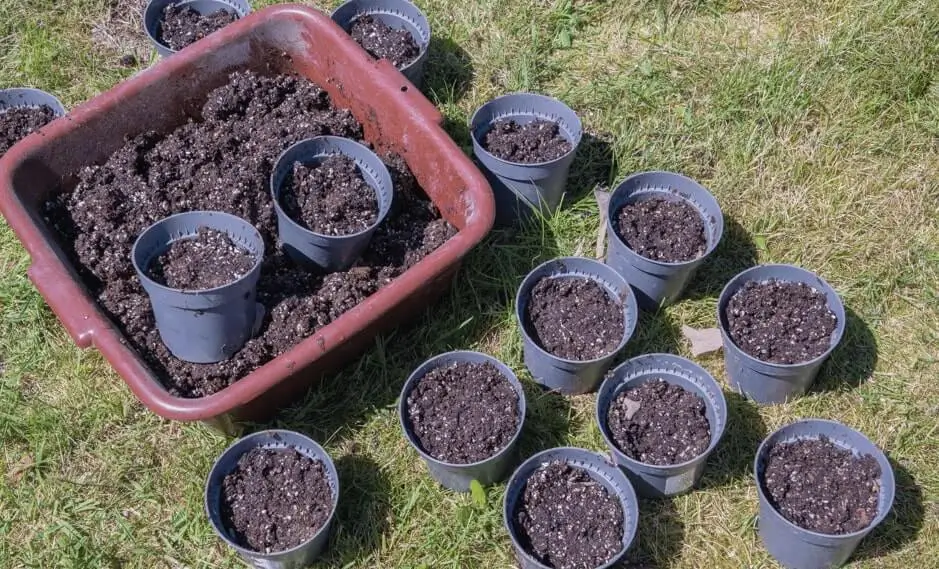
Soil contamination in pots is a hidden but serious issue that can weaken or even kill your container fruit plants. Harmful substances such as chemical residues, pathogens, pests, or polluted water can build up in potting soil over time, disrupting root health and nutrient uptake. Recognizing the warning signs early and applying the right solutions is essential to restore soil balance and ensure your plants grow strong, productive, and disease-free.
Why Soil Contamination in Pots Matters for Container Fruit Gardening
Container fruit plants rely entirely on a limited volume of soil. Unlike garden beds, pots cannot dilute or naturally filter contaminants over time. This makes soil contamination in pots especially dangerous for fruit trees, berries, and edible plants.
How Contamination Affects Fruit Plants
When contaminants build up in potting soil, they can cause:
- Root damage that limits water and nutrient uptake
- Nutrient lockout, even when fertilizer is present
- Poor flowering and fruit set
- Reduced microbial life, which fruit plants depend on for long-term health
In severe cases, contaminated soil can even make fruit unsafe to eat.
Why Containers Are More Vulnerable
Pots create a closed system. Every watering, fertilizer application, and soil amendment stays trapped inside unless properly flushed or refreshed. Over time, this leads to accumulation problems similar to those discussed in excessive fertilizer use and salt buildup, which you can explore further in this guide on excessive salt accumulation in container soil:
how excess salts damage potted fruit plants
What Causes Soil Contamination in Pots?
Understanding the sources of soil contamination in pots helps you prevent it before it starts.
1. Poor-Quality or Reused Soil
Reusing old potting soil without rejuvenation often reintroduces:
- Depleted nutrients
- Pathogens
- Residual salts and chemicals
Old soil may also compact or shrink, worsening root stress. If you’ve noticed soil pulling away from the sides of containers, it’s often related to this issue—covered in detail here:
why potting soil shrinks in containers
2. Contaminated Compost or Manure
Homemade compost and manure can be excellent—but only if they’re clean. Problems arise when compost contains:
- Herbicide residues
- Heavy metals from urban waste
- Undecomposed materials that alter pH
If you rely heavily on compost, review these common compost problems in pots before applying it again:
compost mistakes that harm container plants
3. Excessive Fertilizer and Tap Water Salts
Synthetic fertilizers and hard tap water introduce salts that accumulate over time. Without regular flushing, salts contaminate the soil and damage fine feeder roots.
4. Containers Themselves
Old or low-quality containers can leach substances into the soil:
- Untreated metal pots may release heavy metals
- Painted containers may introduce chemical residues
- Reused construction buckets may contain toxic residues
How to Identify Soil Contamination in Pots
Before fixing the problem, you need to confirm it. Soil contamination in pots often shows up gradually.
Visual and Growth Symptoms
Look for these warning signs:
- Stunted growth despite feeding
- Yellowing or scorched leaf edges
- White crust on soil surface (salt buildup)
- Roots circling excessively or turning brown
Soil Smell and Texture
Healthy soil smells earthy. Contaminated soil may smell:
- Sour
- Chemical-like
- Rotten or anaerobic
Texture changes—such as crusting or hard compaction—also point to underlying issues, often linked with reduced microbial activity. Learn more about this connection here:
why beneficial microorganisms disappear from potting soil
Step-by-Step Solutions to Fix Soil Contamination in Pots
Step 1: Assess the Severity
Ask yourself:
- Is the plant mildly stressed or severely declining?
- Is contamination visible on the soil surface?
- Has the soil been reused multiple seasons?
Mild cases can often be corrected without full replacement.
Step 2: Leach the Soil (For Salt Contamination)
For fertilizer or water salt buildup:
- Move the pot outdoors or to a drain-safe area
- Slowly water until excess drains freely from the bottom
- Repeat 2–3 times over several hours
This flushing process removes soluble salts but will not fix heavy metal contamination.
Step 3: Partial or Full Soil Replacement
- Partial replacement: Remove the top 30–40% of soil and replace with fresh, clean potting mix
- Full replacement: Necessary if contamination is severe or persistent
Always inspect roots during full soil changes and prune damaged sections.
Step 4: Rebuild Soil Biology
After contamination, soil life is usually depleted. Restore it by:
- Adding worm castings
- Using well-aged, certified compost
- Avoiding harsh chemical fertilizers
Healthy microbes help buffer against future contamination.
Best Practices to Prevent Soil Contamination in Pots
Choose Safe, High-Quality Inputs
- Use certified organic potting mixes
- Avoid compost from unknown sources
- Select fertilizers designed for containers
Use Proper Containers
- Food-safe plastic or glazed ceramic
- Avoid treated wood or unsealed metal
- Ensure drainage holes are adequate
Rotate and Refresh Soil Regularly
Every 1–2 years:
- Refresh at least part of the soil
- Rinse containers before refilling
- Avoid continuous reuse without amendments
Monitor Water Quality
If your tap water is hard or salty:
- Collect rainwater when possible
- Periodically flush soil to prevent buildup
Common Mistakes Beginners Make
- Reusing contaminated soil without treatment
- Over-fertilizing fruit plants “to boost growth”
- Ignoring early warning signs
- Assuming compost is always safe
- Using decorative containers not meant for plants
Avoiding these mistakes alone prevents most soil contamination in pots.
Tools, Soil, and Care Tips for Safer Container Growing
- Soil testing kits: Detect pH and salinity issues early
- Quality potting mix: Designed for drainage and low salt content
- Slow-release fertilizers: Reduce salt spikes
- Mulch layers: Help stabilize moisture and soil biology
FAQ: Soil Contamination in Pots
Can contaminated potting soil be reused?
Only after proper treatment. Mild salt contamination can be flushed, but soil with chemical or heavy metal contamination should be discarded.
Is it safe to eat fruit grown in contaminated pots?
If contamination is severe or chemical-based, it’s best not to consume the fruit. Prevention and early correction are key.
How often should I replace potting soil for fruit plants?
Every 1–2 years is ideal, with partial refreshes in between.
Does organic soil prevent contamination?
Organic soil reduces risk but does not eliminate it. Poor water quality and over-fertilization can still cause problems.
Can soil contamination kill container fruit trees?
Yes. Prolonged exposure damages roots and disrupts nutrient uptake, eventually leading to plant decline or death.
Conclusion: Keep Your Container Soil Clean and Productive
Soil contamination in pots doesn’t happen overnight—but it can quietly ruin months or years of effort if ignored. By understanding how contamination occurs, watching for early signs, and following proper soil care practices, you can maintain a healthy growing environment for your container fruit plants. Start by evaluating your current soil, refresh it when needed, and choose clean inputs moving forward. Healthy soil leads to stronger roots, better fruiting, and a more rewarding container gardening experience—no matter how small your space is.