
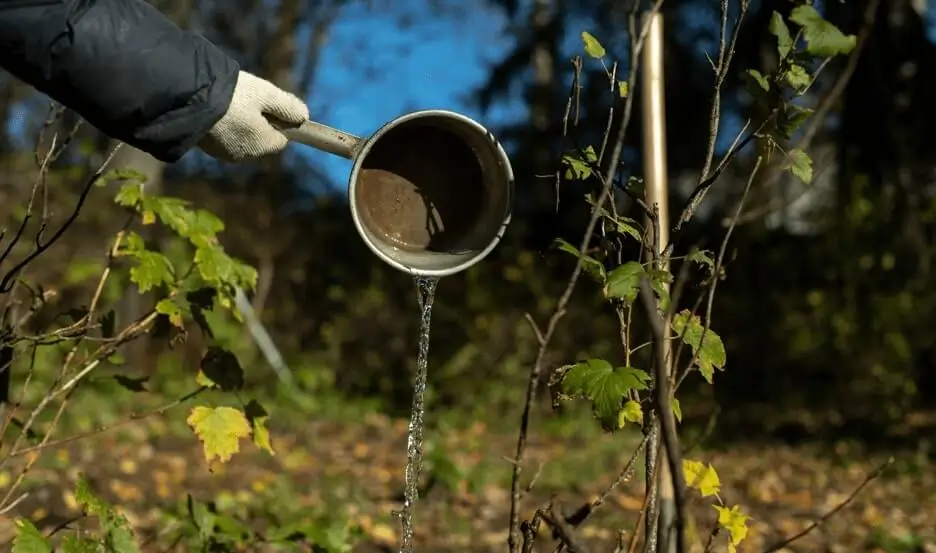
Watering fruit trees during cold weather can be tricky, especially for container gardeners. While growth slows down and water needs decrease, improper watering can still lead to root damage, dehydration, or even tree loss. Understanding how temperature, soil moisture, and dormancy affect your fruit trees is essential to keep them healthy through winter and ready to thrive in spring.
Why Watering Fruit Trees in Cold Weather Matters for Container Growing
Cold weather slows everything down—but it doesn’t stop a fruit tree’s need for water entirely.
Containers Change the Rules
In-ground fruit trees benefit from:
- Stable soil temperatures
- Deep moisture reserves
- Natural insulation
Container fruit trees don’t. Pots:
- Cool down faster
- Dry out unevenly
- Can freeze solid in extreme cold
That means watering mistakes in winter affect containers much faster than garden soil.
Roots Still Need Moisture
Even when dormant:
- Roots remain alive
- Cells need hydration to avoid damage
- Dry roots are more vulnerable to frost injury
A tree that enters a cold snap with bone-dry soil is far more likely to suffer root dieback than one with lightly moist soil.
Cold + Wet = Danger Zone
While drought is a risk, overwatering is the bigger winter killer. Cold, soggy soil reduces oxygen, leading to:
- Root rot
- Fungal diseases
- Poor spring recovery
Balancing moisture—not eliminating watering—is the goal.
How Cold Weather Affects Water and Soil in Pots
Understanding what happens inside the pot helps you water correctly.
Slower Evaporation
In winter:
- Less sun
- Lower temperatures
- Reduced airflow
Soil stays wet much longer than in summer. A pot that dries in 2 days in July might take 10–14 days in winter.
Dormancy Reduces Water Use
Dormant fruit trees:
- Stop active growth
- Transpire less water
- Absorb moisture slowly
This means watering schedules must change dramatically.
Freeze–Thaw Cycles
Repeated freezing and thawing can:
- Push water toward the soil surface
- Compact soil
- Damage fine feeder roots
Proper watering helps reduce stress during these cycles.
Step-by-Step: How to Water Fruit Trees in Cold Weather
Step 1: Check Soil Moisture the Right Way
Never water on a schedule in winter.
Instead:
- Push your finger 2–3 inches into the soil
- Use a moisture meter for deeper pots
- Lift the pot—light pots usually need water
If the soil is:
- Damp → do not water
- Dry below 2–3 inches → light watering is needed
Step 2: Water Only When Temperatures Are Above Freezing
Best practice:
- Water on mild days (above 40°F / 4°C)
- Morning is ideal
- Avoid watering before a hard freeze
This allows excess moisture to drain before temperatures drop.
Step 3: Water Lightly but Thoroughly
Winter watering should:
- Moisten the root zone
- Avoid soaking the entire pot
Stop watering when:
- A small amount drains from the bottom
- Soil is evenly moist, not soggy
Step 4: Adjust by Tree Type
Some trees need slightly different care:
- Citrus: prefer slightly moist soil (see watering citrus trees in containers during winter)
- Figs: tolerate drier winter soil
- Apples & pears: minimal watering once dormant
How Often Should You Water Fruit Trees in Winter?
There is no universal schedule—but here’s a practical guideline.
General Winter Frequency
- Mild winter climates: every 10–14 days
- Cold climates: every 3–4 weeks
- Freezing climates: only when soil is dry and unfrozen
Always adjust based on:
- Rainfall
- Pot size
- Tree type
If you’re unsure, it’s safer to wait one more day than to overwater.
Common Mistakes Beginners Make
1. Watering on a Summer Schedule
This is the most common mistake and often leads to root rot. Winter watering should be infrequent and intentional.
2. Watering Frozen Soil
Pouring water onto frozen soil:
- Doesn’t reach roots
- Can create ice layers
- Increases freeze damage
Wait until the soil has thawed.
3. Ignoring Rainfall
Outdoor containers still collect rain. If your pots are exposed, always check moisture before watering.
4. Poor Drainage
Pots without drainage holes are extremely risky in winter. If drainage is poor, fix this before cold weather arrives.
Tools, Soil, and Container Tips for Winter Watering
Use Well-Draining Potting Mix
A winter-friendly mix should:
- Drain excess water quickly
- Retain light moisture
- Avoid compaction
Avoid heavy garden soil in containers.
Insulate Containers
Insulation helps stabilize moisture and temperature:
- Wrap pots with burlap or bubble wrap
- Elevate pots slightly off cold ground
- Group containers together
This pairs well with the strategies in protecting fruit trees in containers during winter.
Choose the Right Pot Size
Larger pots:
- Hold moisture longer
- Insulate roots better
- Require less frequent watering
Small pots dry faster and need closer monitoring.
Indoor vs Outdoor Winter Watering Differences
Outdoor Containers
- Water sparingly
- Monitor rainfall
- Protect from freezing winds
Indoor or Garage-Stored Trees
- Soil dries faster indoors
- Heating reduces humidity
- Check moisture weekly
Indoor citrus trees often need more frequent light watering—similar to the approach outlined in winter care for potted citrus trees.
FAQ: Watering Fruit Trees in Cold Weather
Should I water fruit trees before a frost?
Yes, lightly moist soil before a mild frost can help insulate roots. Avoid watering if soil is already wet or temperatures are extremely low.
Can fruit trees survive winter without watering?
Only if rainfall provides adequate moisture. Containers dry out faster than ground soil, so occasional watering is usually necessary.
Is snow enough to water container fruit trees?
Snow provides minimal moisture once melted and should not replace proper winter watering.
How do I know if I’m overwatering in winter?
Signs include:
- Persistent soggy soil
- Foul smell from pot
- Yellowing leaves on evergreen fruit trees
Do dormant trees need fertilizer with winter watering?
No. Fertilizing during dormancy can stress roots and promote weak growth.
Conclusion: A Simple Winter Watering Strategy That Works
Watering fruit trees in cold weather doesn’t have to be complicated—but it does require a mindset shift. Instead of frequent watering, focus on observation, timing, and restraint. Check soil moisture, water only when conditions are right, and prioritize drainage above all else.
For container gardeners, winter watering is about preventing extremes—not drought and not saturation. Master this balance, and your fruit trees will emerge in spring healthier, stronger, and ready to grow.
Your next step: inspect your containers today, test the soil moisture, and make small adjustments now to avoid big problems later.