
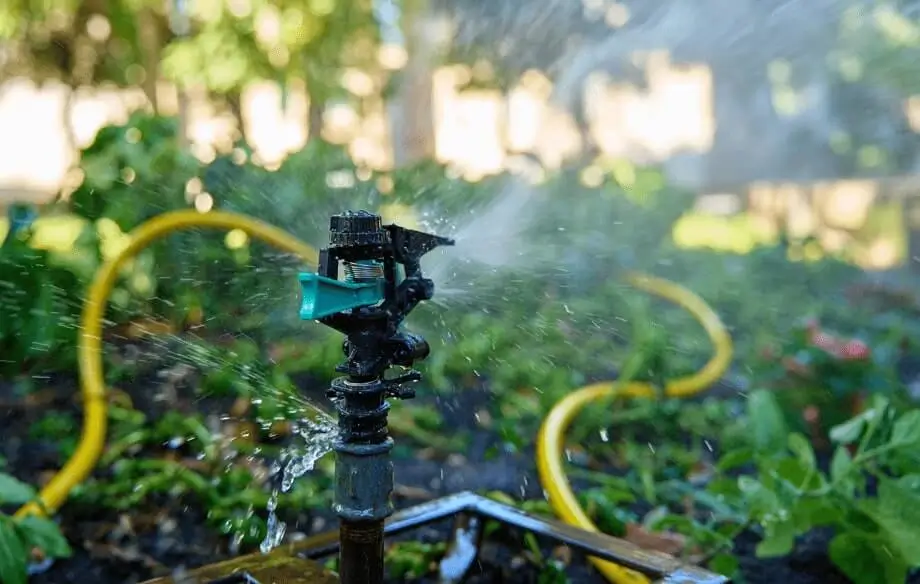
A healthy watering routine is one of the most important factors for thriving container fruit plants. Unlike plants grown in the ground, container plants rely entirely on you for consistent moisture. Too little water leads to stress and poor fruiting, while too much can cause root rot and disease. Understanding the signs of a healthy watering routine helps you maintain the perfect balance, ensuring strong growth, vibrant leaves, and better harvests.
Why a Healthy Watering Routine Matters in Container Fruit Gardening
Container fruit plants rely entirely on you for water. Unlike in-ground plants, their roots cannot spread deeper or wider to find moisture. This makes watering accuracy critical.
A healthy watering routine directly affects:
- Root health and oxygen flow
- Nutrient absorption
- Flowering and fruit development
- Resistance to pests and diseases
If watering is inconsistent, fruit plants become stressed, even if they look fine at first. Over time, stress reduces yields and shortens the plant’s lifespan.
For beginners growing fruit in pots on balconies, patios, or rooftops, learning the signs of healthy watering is more effective than following rigid schedules. If you already grow potted fruit trees, this guide pairs well with our detailed advice on proper watering frequency for container fruit trees.
Signs of Healthy Watering Routine You Should Look For
1. Leaves Are Firm, Green, and Upright
Healthy, well-watered fruit plants have leaves that:
- Feel firm and slightly springy
- Maintain a consistent green color
- Stand upright during the day
Leaves should not curl inward, droop, or feel overly soft. Slight midday drooping during extreme heat is normal, but plants should recover by evening.
What this tells you:
Your roots are receiving enough moisture without being suffocated.
2. Soil Moisture Is Even, Not Soggy or Bone-Dry
One of the clearest signs of a healthy watering routine is balanced soil moisture.
Healthy container soil should:
- Feel moist 2–5 cm below the surface
- Crumble easily, not stick together in clumps
- Drain excess water within seconds
If water pools on the surface or drains too quickly, watering needs adjustment. If you struggle with soil behavior, improving drainage in container fruit soil can dramatically improve watering success.
3. Steady Growth Without Sudden Spurts or Stalls
Fruit plants with a healthy watering routine grow at a steady pace. You’ll notice:
- Regular new leaf growth
- Even branch development
- Predictable flowering cycles
Rapid growth followed by yellowing or leaf drop often indicates overwatering. Long pauses in growth usually mean underwatering or compacted soil.
Healthy watering = consistent progress, not extremes.
4. Flowers and Young Fruit Stay Attached
Blossom drop is common, but excessive flower or fruit drop is often a watering issue.
A healthy watering routine helps:
- Flowers stay open longer
- Pollination succeed
- Young fruit remain attached after forming
If fruit drops suddenly after watering, the roots may be experiencing stress. This problem is common in sensitive plants like figs—see our complete guide to watering fig trees in containers for more targeted tips.
5. No Sour Smell or Fungus in the Soil
Healthy container soil smells neutral or earthy. If you notice:
- A sour or rotten smell
- White mold on the surface
- Green algae near the rim
These are signs of excess moisture and poor airflow. Adjust watering volume and frequency immediately.
6. Leaves Stay Clean Without Constant Yellowing
Occasional older leaf yellowing is normal. However, frequent yellow leaves—especially from the bottom up—often signal watering imbalance.
Healthy watering supports:
- Balanced nutrient uptake
- Strong chlorophyll production
- Minimal leaf discoloration
If yellowing persists, review both watering habits and fertilizing practices. Watering and feeding work together, not separately.
Step-by-Step: How to Maintain a Healthy Watering Routine
Step 1: Check Soil Before Watering (Always)
Never water blindly. Before watering:
- Insert your finger 5–7 cm into the soil
- Use a moisture meter if unsure
- Lift the pot—lighter pots need water
If the soil is still moist below the surface, wait.
Step 2: Water Deeply, Not Frequently
Shallow watering encourages weak roots. Instead:
- Water slowly until it drains from the bottom
- Ensure the entire root zone gets moisture
- Empty saucers after 10 minutes
This approach trains roots to grow deeper and stronger.
Step 3: Adjust Watering by Season
Healthy watering routines change with conditions:
- Spring: Moderate, increasing as growth begins
- Summer: More frequent, especially for small pots
- Autumn: Gradually reduce
- Winter: Minimal, especially for dormant plants
Container berries, for example, need different watering patterns than fruit trees. You can compare approaches in our guide to watering berry plants in containers.
Step 4: Use Morning Watering Whenever Possible
Morning watering:
- Reduces evaporation loss
- Prevents fungal issues
- Supports daytime growth
Avoid watering late at night unless absolutely necessary.
Common Watering Mistakes Beginners Make
Watering on a Fixed Schedule
Plants don’t follow calendars. Weather, pot size, and growth stage all matter more than dates.
Using Pots Without Drainage Holes
No drainage = root suffocation. Always use containers with holes, even decorative ones.
Overwatering Small Pots
Small containers hold less oxygen. Even small amounts of extra water can cause root damage.
Ignoring Pot Material
- Plastic pots retain moisture longer
- Terracotta dries faster
- Fabric pots drain extremely well
Each requires different watering habits.
Tools, Soil, and Container Tips for Better Watering
Helpful Tools
- Moisture meters for beginners
- Long-spout watering cans for controlled flow
- Drip irrigation kits for consistency
Best Soil Practices
Healthy watering starts with the right soil:
- Use well-draining potting mix
- Add perlite or bark for airflow
- Avoid compacted garden soil in containers
Mulching Makes Watering Easier
Mulch helps:
- Reduce evaporation
- Keep soil temperature stable
- Extend time between watering
Organic mulch like straw or bark works best.
FAQ: Signs of Healthy Watering Routine
How often should I water container fruit plants?
There’s no universal schedule. Water when the top layer dries but the root zone remains slightly moist.
Can overwatering look like underwatering?
Yes. Both can cause wilting. Always check soil moisture before watering.
Is leaf drooping always a watering problem?
Not always. Heat stress can cause temporary drooping even with adequate moisture.
Should I mist fruit plants instead of watering soil?
No. Roots absorb water, not leaves. Misting helps humidity but doesn’t replace watering.
Do fruit plants need more water during flowering?
Yes, but consistency matters more than volume. Avoid sudden increases.
Conclusion: Use the Signs, Not Guesswork
A healthy watering routine is visible if you know what to watch for. Firm leaves, balanced soil moisture, steady growth, and stable fruit development all signal that your plants are getting exactly what they need.
Instead of following strict schedules, observe your plants and soil. Adjust gradually, water deeply, and let drainage and soil structure do their job. With these signs as your guide, you’ll build confidence, reduce mistakes, and grow healthier, more productive container fruit plants—no guesswork required.
Start by checking your soil today, and fine-tune your watering routine one plant at a time.
[…] common beginner mistake is using containers that are too […]