
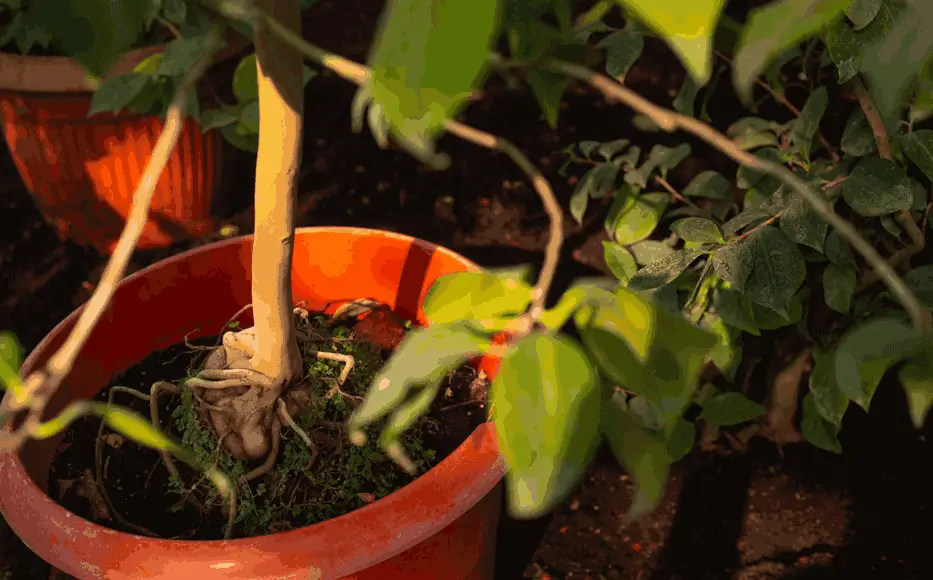
Poor drainage is one of the most common problems when growing fruit trees in containers. When excess water cannot escape properly, it leads to waterlogged soil, suffocated roots, and eventually weak or dying plants. Understanding how drainage works—and how to fix it—can make a big difference in keeping your potted fruit trees healthy, productive, and long-lasting.
In this guide, you’ll learn why drainage matters so much in container fruit gardening, how to diagnose drainage problems, and step-by-step solutions you can apply immediately. Whether you’re growing citrus on a balcony, figs on a patio, or apples in grow bags, this article will help you restore healthy roots and long-term productivity.
Why Poor Drainage Matters for Container Fruit Gardening
Fruit trees grown in containers depend entirely on you for their root environment. Unlike in-ground trees, they can’t send roots deeper to escape excess moisture.
When drainage is poor:
- Oxygen is pushed out of the soil
- Roots suffocate and die
- Harmful fungi thrive
- Nutrient uptake is blocked
Over time, this leads to chronic stress. Even if you fertilize regularly, a tree with waterlogged roots cannot absorb nutrients efficiently.
Many gardeners confuse drainage problems with underwatering. If you’ve noticed wet soil days after watering, a sour smell from the pot, or leaves turning yellow despite moist soil, you’re likely dealing with drainage failure—not lack of water.
If your soil stays soggy for too long, you may also want to review this related guide on how to fix waterlogged soil in containers, which explains early warning signs in detail.
Main Causes of Poor Drainage in Potted Fruit Trees
1. Containers Without Adequate Drainage Holes
Pots without proper drainage holes trap water at the bottom. Decorative pots are a common culprit.
2. Heavy or Compact Soil Mix
Garden soil or cheap potting mixes compact easily, reducing air pockets and slowing water flow.
3. Overwatering Habits
Watering on a schedule instead of based on soil moisture often leads to saturated roots.
4. Blocked Drainage Holes
Roots, salt buildup, or fine particles can clog holes over time.
5. Oversized or Undersized Containers
Both extremes can cause drainage imbalance—either holding too much water or compacting soil too tightly.
Step-by-Step Solutions to Fix Poor Drainage in Potted Fruit Trees
Step 1: Check Drainage the Right Way
After watering thoroughly, observe how long it takes for water to drain.
- Water should exit within 30–60 seconds
- Soil should feel moist, not muddy, after 1–2 hours
If water pools on top or takes minutes to drain, action is needed.
Step 2: Use a Well-Draining Soil Mix (Non-Negotiable)
A proper container fruit tree mix should include:
- 40–50% high-quality potting mix
- 20–30% compost or coco coir
- 20–30% drainage material (perlite, pumice, or coarse sand)
Avoid straight garden soil at all costs. If your soil dries unevenly, this article on fixing dry, compacted potting soil can help rebalance texture and moisture retention.
Step 3: Repot Correctly (When Necessary)
If drainage is severely poor, repotting is often the only solution:
- Gently remove the tree
- Trim black, mushy, or foul-smelling roots
- Choose a container with multiple drainage holes
- Replant using fresh, airy soil mix
Never add gravel at the bottom—it creates a perched water table and worsens drainage.
Step 4: Elevate the Container
Placing pots directly on flat surfaces can block drainage holes.
- Use pot feet
- Place containers on bricks or slatted stands
This simple step dramatically improves airflow and water escape.
Step 5: Adjust Your Watering Technique
Instead of frequent light watering:
- Water deeply until excess drains out
- Wait until the top 2–3 inches of soil are dry before watering again
If you struggle to judge moisture, consider reading this guide on how often to water fruit trees in pots, which breaks it down by season and tree type.
Common Drainage Mistakes Beginners Make
- Using decorative pots without inner drainage
- Assuming yellow leaves mean more water is needed
- Adding stones at the bottom of containers
- Never refreshing old potting soil
- Letting pots sit in saucers filled with water
These mistakes often stack together, creating long-term root damage that’s hard to reverse.
Best Containers, Tools, and Materials for Proper Drainage
Recommended Containers
- Fabric grow bags (excellent airflow)
- Plastic nursery pots with multiple holes
- Unglazed terracotta (breathable but dries faster)
Helpful Tools
- Moisture meter (basic models work fine)
- Hand trowel for soil inspection
- Root pruning shears for repotting
Drainage-Boosting Materials
- Perlite or pumice
- Pine bark fines
- Coco coir (balanced moisture retention)
If you’re setting up new containers, this beginner-friendly guide on choosing the best pots for fruit trees can help you avoid drainage problems from day one.
FAQ: Poor Drainage in Potted Fruit Trees
How do I know if my potted fruit tree has root rot?
Signs include yellowing leaves, wilting despite wet soil, a sour smell, and black or mushy roots.
Can I fix poor drainage without repotting?
Minor issues can be improved by adjusting watering and elevating the pot, but severe problems usually require repotting.
Is sand good for improving drainage?
Only coarse sand in small amounts. Fine sand worsens compaction.
How often should I replace potting soil?
Every 12–24 months for fruit trees, depending on growth and drainage performance.
Are grow bags better than pots?
Yes, in many cases. Grow bags provide superior airflow and reduce the risk of waterlogging.
Conclusion: Restore Healthy Roots and Strong Growth
Poor drainage in potted fruit trees is a silent killer—but it’s also one of the easiest problems to fix once you understand the causes. By choosing the right container, using a well-draining soil mix, watering correctly, and monitoring root health, you can prevent root rot and support vigorous growth year after year.
Your next steps:
- Check drainage after your next watering
- Inspect soil texture and container holes
- Repot if necessary using an airy, fresh mix
Healthy roots mean healthier trees—and better harvests. Start with drainage, and everything else becomes easier. 🌱