
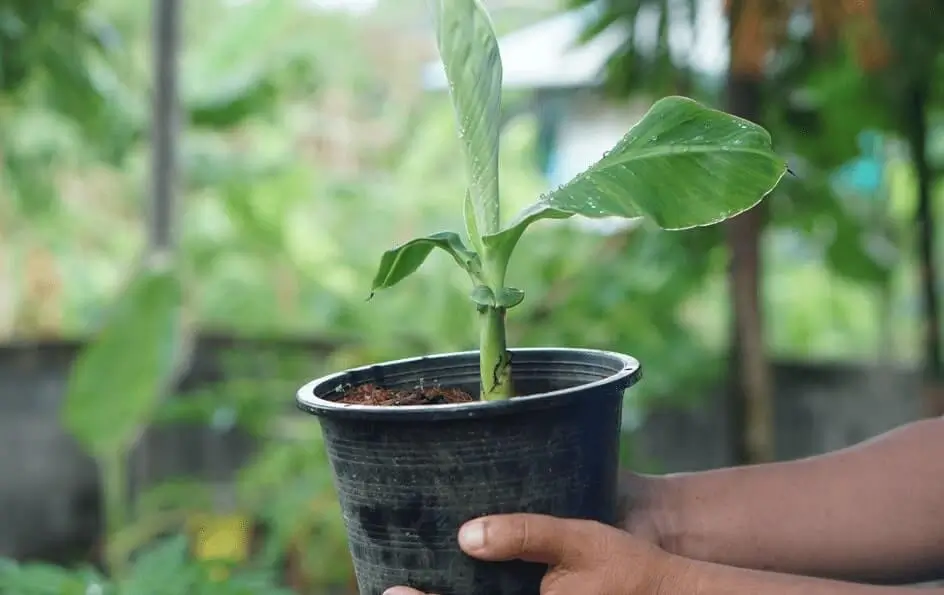
Growing fruit in containers is a rewarding way to enjoy fresh harvests, even with limited space. However, many gardeners struggle with low yields, small fruits, or inconsistent production. The good news is that container fruit trees and plants can be highly productive when given the right care. By optimizing factors like soil, watering, sunlight, feeding, and pruning, you can significantly boost your harvest and enjoy healthier, more productive plants throughout the season.
Why Increasing Fruit Yield in Pots Matters for Container Gardeners
Container fruit gardening is all about efficiency. Unlike in-ground plants, potted fruit trees depend entirely on you for water, nutrients, space, and stability. When any one of these factors is off balance, fruit production suffers.
Here’s why yield-focused care is essential in pots:
- Root space is limited, so mistakes show up faster
- Nutrients leach out quickly with frequent watering
- Stress during flowering is more common in containers
- Environmental swings (heat, wind, cold) hit pots harder
If you don’t actively manage these variables, plants may look healthy but still fail to set fruit. Many beginners confuse leafy growth with productivity—but fruiting requires a different approach.
Understanding how containers change plant behavior is the foundation for boosting yields consistently, season after season.
How to Increase Fruit Yield in Pots: Step-by-Step Best Practices
1. Choose the Right Container Size (Bigger Is Usually Better)
One of the most overlooked factors in container fruit yield is pot size. Small pots restrict roots, which directly limits flowering and fruit set.
General container size guidelines:
- Strawberries & herbs: 3–5 gallons
- Blueberries & dwarf berries: 7–10 gallons
- Dwarf citrus & figs: 15–25 gallons
- Semi-dwarf fruit trees: 25–30+ gallons
A pot that’s too small leads to:
- Frequent drying
- Nutrient deficiencies
- Excessive flower drop
If your plant dries out within a day in warm weather, it’s likely root-bound. Upsizing your container is one of the fastest ways to increase fruit yield in pots.
2. Use a Fruit-Specific Potting Mix (Never Garden Soil)
Fruit plants in pots need air, moisture retention, and nutrients—all at once. Garden soil compacts in containers, suffocating roots and reducing yields.
A high-yield container mix should include:
- Quality peat or coco coir (moisture retention)
- Perlite or pumice (drainage & oxygen)
- Compost or worm castings (slow nutrients)
Avoid mixes labeled only for “houseplants.” Fruit-bearing plants are heavy feeders.
If you suspect nutrient imbalance, review common container nutrient problems that reduce fruiting to correct issues before flowering begins.
3. Master Consistent Watering (This Is Yield-Critical)
Inconsistent watering is one of the top reasons container fruit plants fail to produce.
Too dry:
- Flowers drop
- Young fruit aborts
Too wet:
- Root rot
- Poor nutrient uptake
Best watering practice for fruit in pots:
- Water deeply until runoff
- Allow the top 2–3 cm of soil to dry
- Increase frequency during flowering and fruit set
If your harvests are disappointing, revisit these watering mistakes that prevent fruiting in containers and adjust your routine.
4. Feed for Flowers and Fruit, Not Just Leaves
Nitrogen-heavy fertilizers create lush leaves—but few fruits.
To increase fruit yield in pots, shift nutrition at the right time:
Growth phase (spring):
- Balanced fertilizer (e.g., 10-10-10)
Flowering & fruiting:
- Lower nitrogen
- Higher phosphorus & potassium
- Added calcium and magnesium
Slow-release fertilizers work well, but liquid feeds allow precise control during critical stages.
Excess feeding can be just as harmful as deficiency, especially in small containers.
5. Maximize Sun Exposure (Minimum 6–8 Hours)
Fruit production is energy-intensive. Without enough light, plants prioritize survival over reproduction.
Sunlight requirements:
- Citrus, figs, apples: 8+ hours
- Berries: 6–8 hours
- Partial-shade fruits: minimum 5–6 hours
Rotate containers weekly so all sides receive even light. In balconies or patios, reflective walls can boost light intensity.
If flowers form but don’t set fruit, insufficient sun is often the hidden cause.
6. Protect Flowers From Stress During Bloom
The flowering period determines your final harvest. Any stress here drastically reduces yield.
Common stressors in pots include:
- Heat spikes
- Cold nights
- Dry soil
- Wind exposure
Learn how stress during the flowering period affects fruit set and take simple steps like:
- Moving pots during heat waves
- Using shade cloth temporarily
- Sheltering plants from strong wind
Stable conditions = better pollination and stronger fruit retention.
7. Support Pollination in Small Spaces
Some fruit plants are self-fertile, but pollination still improves yields.
Ways to improve pollination in containers:
- Gently shake flowering plants
- Use a soft brush to transfer pollen
- Grow pollinator-friendly flowers nearby
- Avoid spraying during bloom
Poor pollination often looks like healthy flowers that simply fall off.
Common Mistakes Beginners Make When Growing Fruit in Pots
Avoiding these mistakes can instantly improve productivity:
- Using pots that are too small
- Overwatering “on schedule” instead of by soil feel
- Feeding only nitrogen-rich fertilizers
- Ignoring micronutrients like calcium
- Letting young trees fruit too early
If you’re growing a young plant, understand why young fruit trees often fail to produce early and focus on root and structure development first.
Tools, Containers, and Care Tips That Boost Yield
Best Containers for High Fruit Yield
- Thick plastic or fabric pots (temperature stability)
- Light-colored containers in hot climates
- Multiple drainage holes
Helpful Tools
- Moisture meter (avoid overwatering)
- Mulch (straw, bark, coconut husk)
- Liquid bloom fertilizer
- Plant dolly (move pots easily)
Seasonal Care Tip
Thin excess fruit early. Fewer fruits = larger size and better flavor, especially in pots.
FAQ: Increasing Fruit Yield in Pots
Why does my potted fruit plant flower but not produce fruit?
This is usually due to stress, poor pollination, or nutrient imbalance—especially too much nitrogen or inconsistent watering.
How often should I fertilize fruit plants in containers?
During active growth, every 2–4 weeks with a balanced or fruit-specific fertilizer works well. Reduce feeding after harvest.
Can I grow high-yield fruit in small containers?
Yield increases with container size. Small pots limit root growth, which directly limits fruit production.
Do potted fruit trees need pruning?
Yes. Light pruning improves airflow, light penetration, and directs energy toward fruiting rather than excess growth.
What’s the fastest way to increase fruit yield in pots?
Upgrade to a larger container, stabilize watering, and adjust fertilizer toward bloom and fruit support.
Conclusion: Turn Your Containers Into High-Yield Fruit Producers
Learning how to increase fruit yield in pots isn’t about complicated techniques—it’s about precision and consistency. The right container size, stable watering, fruit-focused nutrition, and stress management can dramatically improve harvests, even in the smallest spaces.
Start by fixing the biggest limiting factor in your setup—often pot size or watering—and build from there. With a few smart adjustments, your container fruit plants can reward you with healthier growth, better fruit set, and consistently bigger harvests.
Your space may be small—but your yields don’t have to be. 🍓🍊