
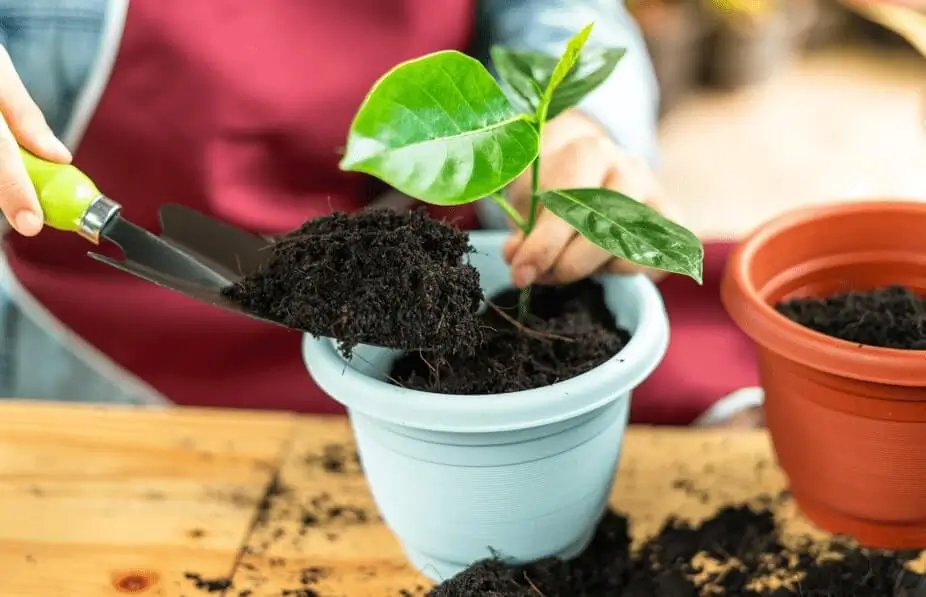
Choosing the right growing medium is one of the most important decisions for healthy fruit trees, especially when growing in containers or small spaces. Many beginners wonder whether regular garden soil can be used in pots or if a specialized potting mix is necessary. While both have their uses, the wrong choice can lead to poor drainage, root rot, nutrient deficiencies, and weak tree growth. In this guide, you’ll learn the key differences between potting mix and garden soil, the pros and cons of each, and which option actually works best for fruit trees in containers.
Why Potting Mix vs Garden Soil Matters for Fruit Trees
Fruit trees are long-term plants with complex root systems. Unlike herbs or leafy greens, they need stable moisture, oxygen-rich soil, and consistent nutrients over many years.
The Unique Needs of Fruit Tree Roots
Fruit tree roots require:
- Excellent drainage to prevent rot
- Enough air pockets for oxygen exchange
- Consistent moisture without waterlogging
- Long-term nutrient availability
In containers, these needs become even more critical because roots are confined. This is why choosing between potting mix and garden soil for fruit trees isn’t optional—it directly affects survival and yield.
Container vs In-Ground Growing Conditions
- In-ground trees benefit from natural soil layers, microbes, and deep drainage.
- Container-grown trees rely entirely on what you put in the pot.
Using the wrong medium in containers is one of the biggest beginner mistakes in container fruit gardening.
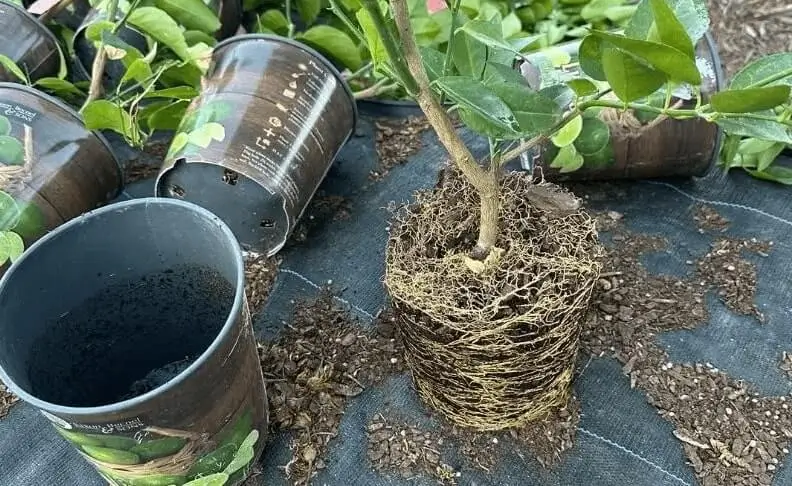
What Is Potting Mix? (And Why It’s Not Just “Soil”)
Potting mix—sometimes called potting soil—is actually soil-less.
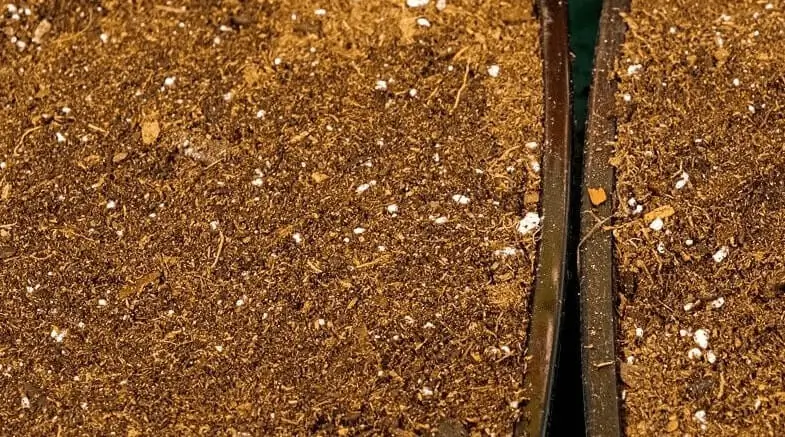
What Potting Mix Is Made Of
High-quality potting mix typically includes:
- Peat moss or coco coir (moisture retention)
- Perlite or pumice (drainage & aeration)
- Compost or bark fines (organic matter)
- Added slow-release fertilizers
Key Advantages of Potting Mix for Fruit Trees
- Designed specifically for containers
- Lightweight and well-draining
- Prevents compaction over time
- Reduces the risk of fungal diseases
For container fruit trees, this makes potting mix the default and safest choice.
If you’re choosing containers, this pairs perfectly with guidance from the best containers for balcony fruit trees, which explains how pot size and drainage holes work together with the right soil.
What Is Garden Soil? (And Why It’s Often Misused)
Garden soil is native soil taken directly from the ground or sold as “topsoil.”
Common Characteristics of Garden Soil
- Heavier and denser
- Retains water longer
- Contains native microbes (good and bad)
- Compacts easily in containers
Why Garden Soil Fails in Containers
When placed in pots:
- It drains poorly
- Roots suffocate due to a lack of oxygen.
- Water pools at the bottom
- Fungal diseases thrive
This is why experienced growers never recommend pure garden soil for container fruit trees.
Potting Mix vs Garden Soil: Side-by-Side Comparison
| Feature | Potting Mix | Garden Soil |
| Drainage | Excellent | Poor in containers |
| Aeration | High | Low |
| Weight | Lightweight | Heavy |
| Disease Risk | Low | Higher |
| Best Use | Containers | In-ground only |
Verdict:
For container fruit trees, potting mix always wins.
For container fruit trees, potting mix always wins.
When (If Ever) Garden Soil Can Be Used for Fruit Trees
Garden soil is not useless—it’s just misunderstood.
Acceptable Uses of Garden Soil
- Planting fruit trees directly in the ground
- Amending poor native soil with compost
- Mixing small amounts into custom blends
What NOT to Do
❌ Do not fill containers with pure garden soil
❌ Do not mix clay-heavy soil into pots
❌ Do not assume “organic soil” equals container-safe
❌ Do not mix clay-heavy soil into pots
❌ Do not assume “organic soil” equals container-safe
If you’re growing on a balcony or patio, follow the principles outlined in container fruit gardening for balconies to avoid these mistakes entirely.
Best Soil Choice for Container Fruit Trees (Step-by-Step)
Step 1: Start With a Quality Potting Mix
Choose a mix labelled:
- “For containers”
- “Well-draining”
- “For trees or shrubs” (ideal but optional)
Avoid ultra-cheap mixes with excessive peat and no structure.
Step 2: Improve Drainage for Fruit Trees
Enhance your mix with:
- 10–20% perlite or pumice
- Pine bark fines for structure
This prevents waterlogging and supports long-term root health.
Step 3: Add Long-Term Nutrition
Fruit trees are heavy feeders. Add:
- Compost or worm castings
- Slow-release organic fertilizer
For watering schedules that complement soil structure, see how often to water fruit trees in containers for seasonal guidance.
Common Beginner Mistakes (And How to Avoid Them)
Mistake 1: Using Garden Soil in Pots
This leads to:
- Root rot
- Yellowing leaves
- Stunted growth
Fix: Always use potting mix for containers.
Mistake 2: Ignoring Drainage Holes
Even the best soil fails without drainage.
Fix: Ensure every container has multiple drainage holes.
Mistake 3: Reusing Old, Compacted Mix
Over time, potting mix breaks down.
Fix: Refresh or replace soil every 2–3 years.
Tools, Containers, and Care Tips That Make Soil Work Better
Best Containers for Soil Performance
- Fabric grow bags (excellent aeration)
- Plastic pots with large drainage holes
- Terracotta for hot climates (dries faster)
Choosing the right container size matters just as much as soil—especially for young trees transitioning to maturity.
Mulching in Containers
Apply:
- Bark chips
- Straw
- Coco husk
Mulch stabilizes moisture and protects soil structure.
FAQ: Potting Mix vs Garden Soil for Fruit Trees
Can I mix potting mix and garden soil?
Yes, but only in small amounts. Use no more than 20% garden soil, and only if it’s light and loamy.
Is the potting mix enough for fruit trees?
Initially, yes, but fruit trees need ongoing feeding. Supplement with compost and slow-release fertilizer.
Can I reuse potting mix for fruit trees?
Yes, if refreshed with compost and drainage material. Discard compacted or diseased soil.
What’s the best soil for dwarf fruit trees?
A high-quality potting mix with added perlite and compost works best for dwarf and semi-dwarf trees.
Is raised bed soil the same as potting mix?
No. Raised bed soil is heavier and still unsuitable for containers.
Conclusion: The Clear Winner for Healthy Fruit Trees
When it comes to potting mix vs garden soil for fruit trees, the answer is clear:
- Containers → Potting mix (always)
- In-ground planting → Garden soil (amended)
Using the right growing medium protects roots, improves drainage, and directly boosts fruit production. For beginners, starting with a quality potting mix eliminates most early failures and builds confidence fast.
Next steps:
Choose a well-draining potting mix, pair it with the right container, and follow proper watering and feeding practices. Your fruit trees will reward you with stronger growth—and better harvests—for years to come. 🌱🍎
Choose a well-draining potting mix, pair it with the right container, and follow proper watering and feeding practices. Your fruit trees will reward you with stronger growth—and better harvests—for years to come. 🌱🍎