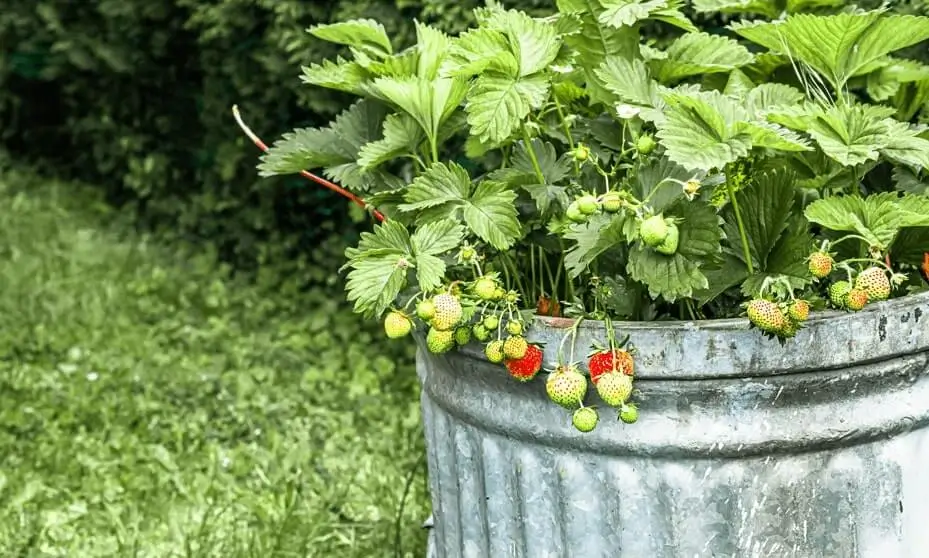
Container fruit gardening has become one of the most popular ways to grow fresh fruit at home, especially for gardeners with limited space. Whether you live in an apartment, have a small backyard, or simply want more control over your plants, growing fruit trees in pots offers flexibility and convenience. From lemons on balconies to strawberries on patios, container gardening makes fruit growing accessible for beginners and experienced gardeners alike.
However, growing fruit in containers also comes with challenges. Pots dry out faster, plants need regular feeding, and some fruit trees require extra maintenance to stay healthy and productive. Before starting your container fruit garden, it’s important to understand both the advantages and disadvantages.
In this guide, we’ll explore the biggest pros and cons of container fruit gardening so you can decide if growing fruit in pots is the right choice for your space, lifestyle, and gardening goals.
Why Container Fruit Gardening Pros and Cons Matter
Understanding the pros and cons of container fruit gardening is essential before investing time, money, and effort. Growing
fruit trees or plants in pots is fundamentally different from planting in the ground—and those differences affect everything from plant health to long-term yields.
Who benefits most from container fruit gardening?
Container fruit gardening is especially valuable if you:
- Live in an apartment, rental, or urban area.
- Garden on a balcony, terrace, rooftop, or patio
- Have poor, compacted, or contaminated soil.
- Want flexibility to move plants with the seasons.
If this sounds like you, learning the advantages and drawbacks early helps you plan smarter—choosing the right fruit, container size, and care strategy from day one.
The Pros of Container Fruit Gardening
1. Perfect for Small Spaces and Urban Living
The biggest advantage of container fruit gardening is space efficiency. You can grow apples, citrus, figs, berries, and even dwarf stone
fruit in pots on:
- Balconies
- Rooftops
- Patios
- Small courtyards
2. Full Control Over Soil Quality
One major frustration in ground gardening is poor soil. Containers eliminate that problem entirely.
With pots, you:
- Choose the exact soil mix.
- Control drainage and aeration
- Avoid compacted or nutrient-poor ground.
If you’re unsure which soil works best, this guide on the best soil for growing fruit in pots can help you lay the ideal foundation for healthy roots and steady growth.
3. Easier Pest and Disease Management
Container fruit plants are:
- Easier to inspect
- Easier to isolate if problems appear.
- Less exposed to soil-borne diseases
If pests or disease strike, you can move the plant, treat it quickly, or even repot it—something impossible with in-ground trees.
4. Portability and Climate Flexibility
Pots allow you to move plants based on weather conditions:
- Shift to sunnier spots.
- Protect from extreme heat.
- Bring tender fruit trees indoors during winter.
This is especially useful for citrus, figs, and other warmth-loving fruits in cooler climates.
5. Beginner-Friendly Learning Curve
For new gardeners, container fruit gardening offers:
- Faster feedback on watering and feeding
- Smaller-scale experimentation
- Easier correction of mistakes
If you’re just starting out, following a clear container fruit gardening checklist helps ensure you don’t miss any critical steps.
The Cons of Container Fruit Gardening
While the benefits are real, container fruit gardening isn’t perfect—and ignoring the downsides leads to poor results.
1. Limited Root Space = Limited Growth
Roots need space. In containers:
- Root systems are restricted.
- Trees stay smaller
- Overall yields may be lower than in-ground plants.
This is ideal for dwarf varieties—but unsuitable for standard fruit trees unless containers are very large.
2. Frequent Watering Is Required
Potted fruit plants dry out much faster than those in the ground, especially in warm or windy conditions.
Expect to:
- Water more often
- Monitor moisture closely
- Adjust watering seasonally
If you struggle with consistency, self-watering containers for fruit trees can significantly reduce stress and improve success.
3. Nutrient Depletion Happens Faster
Nutrients wash out of containers quickly. Without regular feeding:
- Growth slows
- Leaves yellow
- Fruit production suffers
Learning how to feed potted fruit trees properly is non-negotiable for long-term success.
4. Temperature Extremes Affect Roots
Container roots are more exposed to:
- Heat stress in summer
- Freezing temperatures in winter
Unlike ground soil, pots don’t insulate roots well. This means extra protection—such as insulation, shade, or seasonal relocation—is often necessary.
5. Higher Long-Term Maintenance
Compared to in-ground trees, container fruit plants require:
- More frequent watering
- Regular fertilizing
- Periodic repotting or root pruning
Container fruit gardening rewards attention—but it does demand consistency.
Best Practices to Maximize the Pros (and Reduce the Cons)
Step 1: Choose the Right Fruit Varieties
Not all fruit is suited to containers. Look for:
- Dwarf or semi-dwarf trees
- Naturally compact fruit plants
Great container options include citrus, figs, blueberries, strawberries, and dwarf apples.
Step 2: Use Large Containers from the Start
Small pots cause problems fast. For fruit trees:
- Bigger containers = healthier roots
- More stable moisture levels
- Better long-term growth
If you’re unsure about sizing, understanding how deep containers should be for fruit trees prevents costly mistakes.
Step 3: Prioritize Drainage and Container Material
Poor drainage is one of the fastest ways to kill potted fruit plants. Always use containers with drainage holes and choose materials wisely.
This guide on choosing the right container material for fruit gardening explains how plastic, terracotta, fabric, and wood affect moisture and temperature.
Step 4: Feed and Water Strategically
- Water deeply, not lightly
- Fertilize regularly during the growing season.
- Reduce feeding in winter for dormant trees.
Consistency matters more than intensity.
Common Beginner Mistakes in Container Fruit Gardening
Avoid these common errors that undermine success:
- Choosing standard fruit trees instead of dwarf varieties
- Using decorative pots without drainage holes
- Letting containers dry out completely
- Skipping fertilization
- Ignoring root crowding and never repotting
Beginners often underestimate how fast conditions change in pots. Regular observation is the key difference between thriving plants and struggling ones.
Tools, Soil, and Care Essentials for Container Fruit Gardening
Successful container fruit gardening relies on the right setup:
Essential Tools
- Moisture meter (optional but helpful)
- Quality pruning shears
- Slow-release fertilizer
- Mulch to reduce evaporation
This guide covers a complete list of must-have tools for container fruit gardening.
Soil Essentials
- Lightweight, well-draining potting mix
- Added compost for nutrients
- Perlite or bark for aeration
Avoid garden soil—it compacts and suffocates roots in containers.
FAQ: Container Fruit Gardening Pros and Cons
Is container fruit gardening good for beginners?
Yes. It offers more control and flexibility than in-ground gardening, making it ideal for beginners—if watering and feeding are managed properly.
Do fruit trees grow well in pots long-term?
Dwarf and semi-dwarf trees can thrive for many years in large containers with proper care, pruning, and occasional repotting.
Does container fruit gardening produce less fruit?
Usually, yes, compared to in-ground trees. However, yields are often more than sufficient for home use.
How often should I water container fruit plants?
It depends on climate and pot size, but many need watering every 1–3 days in summer and much less in winter.
Are containers better than ground planting?
Containers are better for flexibility and small spaces. Ground planting is better for maximum size, minimal maintenance, and long-term production.
Conclusion: Is Container Fruit Gardening Worth It?
When weighing the container-gardening pros and cons, one thing is clear: growing fruit in pots is absolutely worth it—for the right gardener and situation.
If you value flexibility, space efficiency, and control, container fruit gardening can be incredibly rewarding. Yes, it requires more hands-on care, but with smart planning, the downsides are manageable—and often outweighed by the convenience and accessibility.
Next steps:
Start small with one or two well-chosen fruit plants, invest in large containers and quality soil, and follow proven care practices. With realistic expectations and consistent attention, container fruit gardening can turn even the smallest space into a productive, edible oasis. 🌱🍎