
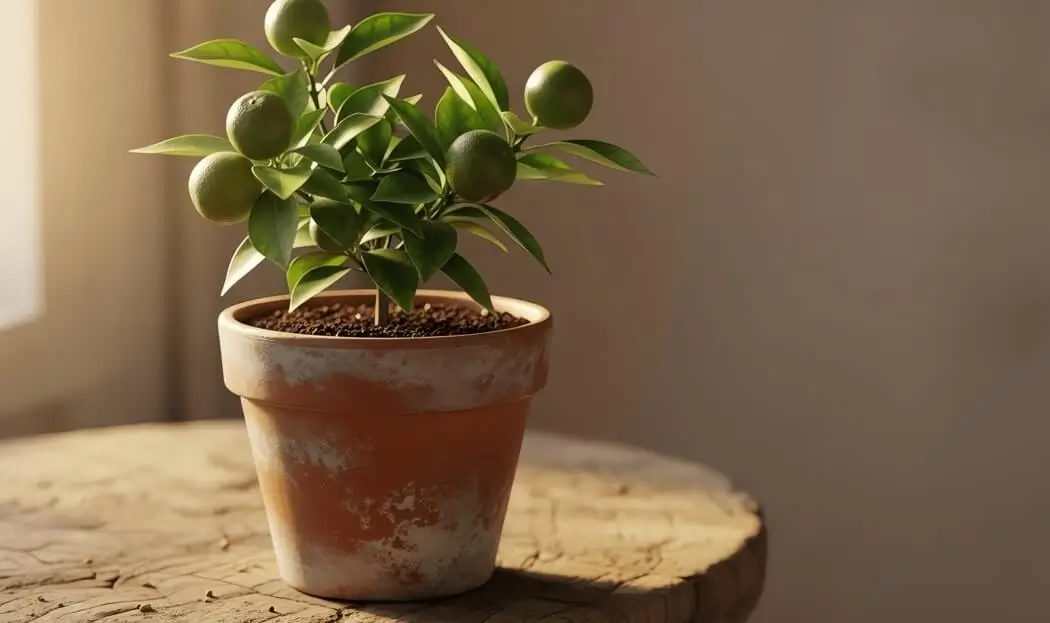
Choosing the best soil for citrus trees in pots is one of the most important steps for growing healthy, productive container citrus plants. Citrus trees need well-draining, nutrient-rich soil that keeps roots healthy while holding enough moisture for steady growth. In this complete beginner’s guide, you’ll learn how to choose the right potting mix, improve drainage, avoid common soil mistakes, and create the ideal environment for thriving potted citrus trees.
Why Soil Choice Is Critical for Potted Citrus Trees
Citrus trees evolved in warm climates with fast-draining, oxygen-rich soils. When grown in containers, they rely 100% on the soil you provide.
Unlike garden soil, container soil must:
- Drain excess water quickly
- Hold enough moisture between waterings.
- Allow air to reach the roots.
- Supply steady nutrients without becoming compacted.
Poor soil is the #1 cause of:
- Root rot
- Yellowing leaves (chlorosis)
- Weak flowering
- Small or bitter fruit
This is especially important for those new to container fruit gardening for beginners, where small mistakes can have big consequences.
Understanding Citrus Root Needs (H2)
What Makes Citrus Different From Other Fruit Trees?
Citrus trees have shallow, fibrous roots that:
- Need constant oxygen
- Are sensitive to soggy conditions
- Absorb nutrients best in slightly acidic soil.
Unlike apples or figs, citrus roots struggle in dense or heavy soil.
Ideal Soil Conditions for Citrus in Pots
| Factor | Ideal Range |
| Drainage | Fast, free-draining |
| Soil pH | 5.5–6.5 |
| Texture | Light, airy, coarse |
| Organic matter | Moderate (not heavy compost) |
If your potting mix stays wet for more than 24–48 hours, it’s not suitable for citrus.
Best Soil for Citrus Trees in Pots (H2)
The best soil for citrus trees in pots is not regular garden soil, and not basic potting soil alone. It’s a well-draining citrus-specific mix or a carefully balanced DIY blend.
Option 1: Commercial Citrus Potting Mixes
These are designed specifically for citrus and usually contain:
- Pine bark fines
- Perlite or pumice
- Peat moss or coco coir
- Added micronutrients
Pros
- Convenient
- Balanced for beginners
- pH-adjusted
Cons
- Can be expensive
- Quality varies by brand
👉 When choosing store-bought mixes, compare them with what experts recommend for the best soil for fruit in pots to ensure proper drainage and structure.
Option 2: DIY Citrus Soil Mix (Best Control)
If you want maximum control and long-term success, DIY is ideal.
The Best DIY Citrus Soil Mix Recipe
Basic Citrus Potting Mix
- 40% pine bark fines (or orchid bark)
- 30% high-quality potting soil or coco coir
- 20% perlite or pumice
- 10% compost or worm castings
This mix provides:
- Excellent drainage
- Long-lasting structure
- Balanced moisture retention
💡 Pine bark is key—it prevents compaction over time, which is crucial for container citrus.
Step-by-Step: How to Prepare Soil for Citrus Trees in Pots
Step 1: Choose the Right Container
- Must have drainage holes
- Size: at least 12–15 gallons for mature citrus
- Avoid shallow pots
Step 2: Mix Soil Thoroughly
- Blend ingredients evenly
- Avoid layering materials
Step 3: Check Drainage
- Water the mix before planting.
- Excess water should drain within seconds.
Step 4: Adjust pH If Needed
- Use elemental sulfur to lower pH.
- Add dolomitic lime only if the soil is too acidic.
Best Practices for Long-Term Soil Health
Refreshing Soil Over Time
Container soil breaks down. Every 12–18 months:
- Remove top 2–3 inches.
- Replace with fresh citrus mix.
- Add compost sparingly
Mulching Citrus in Pots
Use:
- Pine bark mulch
- Straw
- Coconut husk chips
Avoid heavy mulch touching the trunk.
Watering and Soil: The Perfect Balance
Even the best soil fails if watering is wrong.
Citrus trees prefer:
- Deep watering
- Drying slightly between waterings
Follow a proper watering schedule for potted fruit to prevent root diseases and nutrient lockout.
🚫 Never let pots sit in standing water.
Fertilization and Soil Nutrition
Citrus are heavy feeders, but soil structure matters as much as nutrients.
Best Fertilizer Types
- Slow-release citrus fertilizer
- Liquid feeds during active growth.
Avoid overfeeding. Combine good soil with a smart approach to fertilizing fruit trees in containers for steady, healthy growth.
Common Soil Mistakes to Avoid
1. Using Garden Soil
- Compacts quickly
- Drains poorly
- Harbors pests
2. Too Much Compost
- Retains excess moisture
- Causes root suffocation
3. Ignoring Drainage
- No drainage holes = guaranteed failure
4. Reusing Old, Compacted Soil
- Lacks oxygen
- Nutrient-depleted
Tips for Success With Citrus in Containers
- Repot every 2–3 years
- Use rainwater when possible.
- Monitor leaf colour for nutrient clues.
- Keep soil slightly acidic.
- Protect pots from cold floors in winter.
FAQ: Best Soil for Citrus Trees in Pots
What is the best soil pH for citrus trees in containers?
Citrus prefer slightly acidic soil between 5.5 and 6.5 for optimal nutrient uptake.
Can I use regular potting soil for citrus trees?
Not alone. Regular potting soil holds too much moisture and lacks long-term structure.
How often should I replace citrus potting soil?
Refresh annually and fully replace every 2–3 years, depending on tree size.
Is sandy soil good for citrus in pots?
Pure sand drains well but lacks nutrients and structure. It must be blended with organic material.
Do citrus trees need special soil indoors?
Yes. Indoor citrus requires even better drainage and lighter mixes due to slower evaporation.
Outward Resource (Optional, Non-Competing)
For advanced citrus nutrition research, you may also consult university-backed guidance from agricultural extension services such as UC Cooperative Extension.
Conclusion: Give Your Citrus the Soil It Deserves
Healthy citrus trees start below the surface. Choosing the best soil for citrus trees in pots ensures strong roots, lush leaves, abundant blossoms, and flavorful fruit. Whether you use a high-quality commercial mix or craft your own DIY blend, focus on drainage, aeration, and balance.
If you’re serious about growing fruit successfully in small spaces, explore more GrowFruitly guides on container growing fundamentals and soil optimization to take your citrus harvest to the next level 🌱🍋
Appreciate this post. Will try it out.