
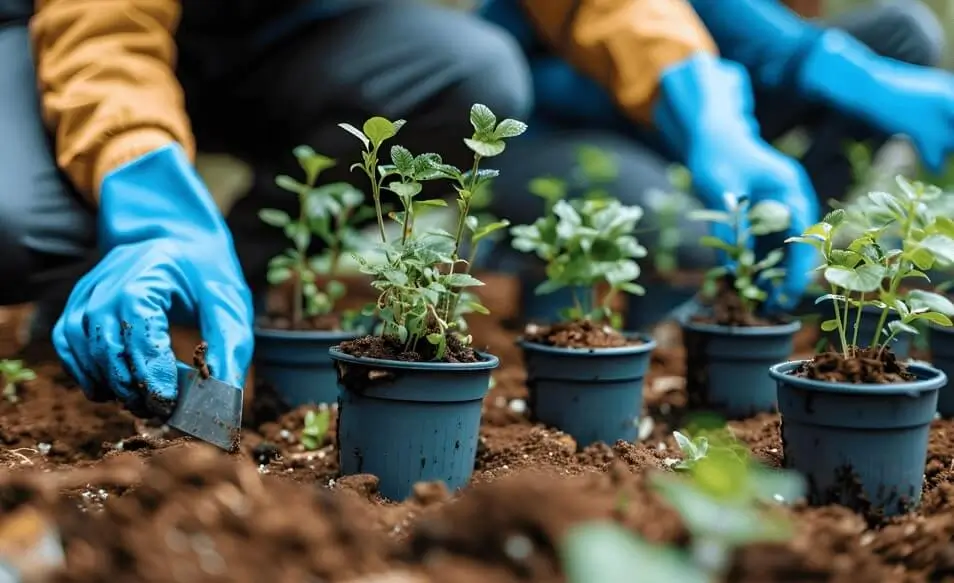
Container gardening for fruit trees is one of the easiest and most rewarding ways to grow fresh fruit in small spaces. Whether you have a balcony, patio, rooftop, or tiny backyard, growing fruit trees in containers allows you to enjoy homegrown harvests without needing a traditional orchard. From citrus and figs to apples and peaches, many fruit trees thrive in pots when given the right care, sunlight, soil, and watering routine.
In this complete guide, you’ll learn how to choose the best fruit trees for containers, select the right pots and soil, and maintain healthy trees that produce delicious fruit year after year. If you’re ready to transform your small space into a productive mini orchard, this beginner-friendly guide will help you get started with confidence.
🌱 Why Grow Fruit Trees in Containers
Container fruit trees are ideal for:
- Small gardens, patios, or balconies
- Renters or apartment dwellers
- Cold regions where trees need winter protection
- Gardeners wanting more control over soil, light, and moisture
If you’re short on outdoor space, container fruit gardening offers a simple and effective way to grow food sustainably. For example, container fruit gardening gives you full control over soil type, watering, and sunlight exposure — crucial for producing consistent harvests.
🍊 Choosing the Right Fruit Tree for Containers
The key to success is picking the right species — specifically dwarf or semi-dwarf fruit trees. They remain compact while still producing abundant fruit.
Recommended options:
- Citrus: Meyer lemon, Key lime, Calamondin
- Apples: Golden Sentinel, Northpole
- Figs: Brown Turkey, Petite Negra
- Stone fruits: Bonanza peach, Garden Annie apricot
- Berries: Top Hat blueberry, Raspberry Shortcake
To dig deeper into ideal small-space trees, check out dwarf fruit trees in pots — a comprehensive guide for beginners.
🪴 Selecting the Perfect Container
Your container determines the root health and productivity of your tree.
Best practices:
- Start with 10–15 gallons, upgrade to 18–25 gallons as trees mature.
- Use materials like plastic, wood barrels, or ceramic depending on your style and climate.
- Always ensure excellent drainage holes.
- Use plant caddies to move pots for sunlight or protection.
If you’re looking for creative inspiration, the article on fruit plants for containers explores how to choose pots that suit both fruit type and design preferences.
🌿 Soil, Potting Mix & Drainage
Avoid using garden soil — it’s too dense for containers. Instead, create a light, well-draining mix:
- 1 part peat moss
- 1 part perlite or vermiculite
- 1 part compost
Top with bark mulch to maintain moisture. This setup ensures proper root oxygenation and avoids root rot.
🌼 How to Plant a Fruit Tree in a Pot
Follow these steps for success:
- Choose a pot slightly larger than the nursery container.
- Fill the bottom with the soil mix.
- Place the tree at the same depth as in its nursery pot.
- Backfill, leaving 1–2 inches at the top.
- Water thoroughly and allow drainage.
- Add mulch and a slow-release fruit tree fertilizer.
For more planting ideas and fruit options, see best fruits for container gardening.
💧 Watering, Feeding & Light Needs
Container trees dry out faster, so consistent watering is essential.
- Water when the top 2 inches of soil feel dry.
- Use slow-release organic fertilizer every 4–6 weeks.
- Ensure 6–8 hours of direct sunlight daily.
Rotate pots regularly for even growth.
✂️ Pruning & Training Tips
Keep trees compact and productive with annual pruning:
- Remove dead or crossing branches.
- Shorten new shoots by one-third in spring.
- Train branches using stakes or trellises for airflow.
This technique is particularly important for columnar apples and container-grown peaches.
❄️ Overwintering & Cold Protection
Roots in pots are more vulnerable to frost, so:
- Move trees to sheltered areas (garage, shed).
- Wrap pots with burlap or frost cloth.
- Water lightly through dormancy.
- Reintroduce sunlight gradually in spring.
These steps ensure your mini orchard survives winter unscathed.
🐛 Common Issues & Solutions
ProblemLikely CauseFix
Yellow leaves Overwatering / nutrient deficiency Check drainage, fertilize
Fruit drop Environmental stress Maintain even moisture
Pests (aphids, mites, scale) Poor airflow Apply neem oil or insecticidal soap
Root rot Poor drainage Use airy, coarse mix
🍑 Top Varieties for Container Gardening
Here are top-performing container fruit trees:
TypeVariety Examples
Citrus Meyer Lemon, Calamondin, Key Lime
Apple Golden Sentinel, Northpole
Fig Brown Turkey, Petite Negra
Stone Fruit Bonanza Peach, Garden Annie Apricot
Berry Top Hat Blueberry, Raspberry Shortcake
Learn how these varieties thrive in compact spaces by exploring fruit gardening in small spaces.
❓ FAQs
1. What fruit trees grow best in pots?
Dwarf citrus, figs, apples, and peaches perform best.
2. Can I grow fruit trees in 5-gallon buckets?
You can start small but move to at least 10–15 gallons for maturity.
3. How long can fruit trees stay in pots?
With proper care, decades — just repot every 2–3 years.
4. What’s the best soil mix?
Use a well-draining blend of peat moss, compost, and perlite.
🌸 Conclusion
Container gardening for fruit trees turns even the tiniest space into a lush, productive haven. By combining creativity, smart design, and the right varieties, you’ll enjoy a mini orchard that yields joy — and fruit — season after season.
Explore more at GrowFruitly for expert advice on fruit gardening, pot selection, and container orchard ideas.