
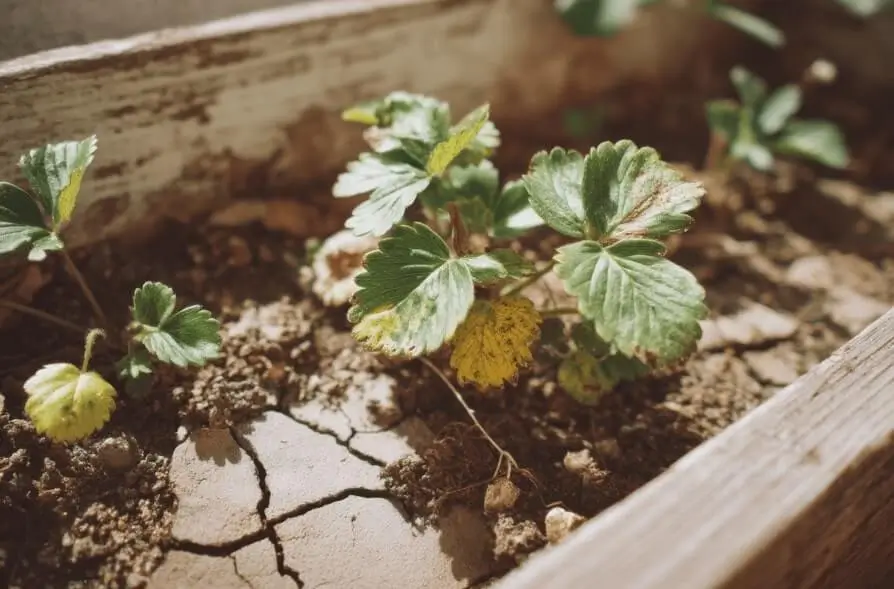
Growing berries in containers is one of the easiest and most rewarding ways to enjoy fresh fruit at home, even if you only have a small balcony, patio, or backyard. However, choosing the right soil is the key to healthy plants, stronger roots, and bigger harvests. Berry plants are sensitive to poor drainage, compacted soil, and incorrect pH levels, especially when grown in pots. In this beginner-friendly guide, you’ll learn the best soil mix for container berry plants, how to improve drainage, and which ingredients help berries thrive in containers.
Why the Best Soil for Berry Plants in Containers Matters
Container berry plants rely entirely on the soil you provide. Unlike garden beds, they can’t send roots outward in search of nutrients, air, or moisture. That makes soil quality more important than fertilizer, pot size, or even sunlight.
Key reasons soil choice is critical
- Root health: Berry plants have fine, sensitive roots that rot easily in compacted soil.
- Water balance: Containers dry out faster, but poor soil can also remain soggy, leading to disease.
- Nutrient availability: Berries are heavy feeders that need steady nutrition without salt buildup.
- pH control: Some berries, especially blueberries, require a specific soil pH to absorb nutrients.
If you’ve ever struggled with yellow leaves, stunted growth, or low fruit production, soil is often the hidden cause. Before adding more fertilizer, it’s worth revisiting the foundation.
Understanding What Berry Plants Need from Soil
Before choosing or mixing soil, it helps to understand what berries actually need below the surface.
1. Excellent drainage with moisture retention
Berry roots need oxygen. Soil must drain freely, yet hold enough moisture so plants don’t dry out between waterings.
2. High organic matter
Organic material improves structure, feeds beneficial microbes, and slowly releases nutrients—perfect for container conditions.
3. Balanced nutrients
Berries need nitrogen for leafy growth, phosphorus for roots and flowers, and potassium for fruit quality. Too much nitrogen, however, leads to leaves at the expense of berries.
4. Correct pH range
- Strawberries, raspberries, blackberries: slightly acidic to neutral (pH ~5.5–6.5)
- Blueberries: strongly acidic (pH ~4.5–5.5)
If you’re unsure about pH, reviewing this guide on the best soil pH for fruit trees and plants will help you understand how acidity affects nutrient uptake in containers.
Best Soil Types for Berry Plants in Containers
Not all potting soils are equal. Let’s break down what works—and what doesn’t.
High-quality potting mix (best base option)
A premium potting mix is designed for containers, not gardens. It’s lightweight, drains well, and resists compaction.
Look for mixes that contain:
- Peat moss or coco coir (moisture retention)
- Perlite or pumice (aeration and drainage)
- Compost or aged bark (organic matter)
Avoid cheap “topsoil” blends in pots—they compact quickly and suffocate roots.
Compost-enhanced mixes
Compost adds nutrients and microbial life, but it must be used correctly in containers. Too much compost can reduce drainage.
If you want to understand how compost behaves in pots, this in-depth article on using compost for container fruit gardening explains ideal ratios and common mistakes.
Garden soil (why it’s a bad idea)
Garden soil is heavy, compacts easily, and often carries pests or diseases. In containers, it leads to:
- Poor drainage
- Root rot
- Hard, brick-like texture over time
For containers, garden soil should always be avoided.
The Best Soil Mix Recipes for Common Container Berries
If you want full control, mixing your own soil is often the best option.
Universal berry soil mix (most berries)
Use this for strawberries, raspberries, and blackberries:
- 50% high-quality potting mix
- 30% finished compost
- 20% perlite or pumice
This blend offers excellent drainage, steady nutrition, and long-term structure.
Blueberry-specific soil mix
Blueberries need more acidity and organic matter:
- 50% peat moss or coco coir
- 30% pine bark fines or composted pine needles
- 20% perlite
Avoid lime or alkaline composts. If needed, sulphur can be added gradually to maintain acidity.
Reusing old potting soil
If you already have soil from previous seasons, don’t throw it away. With proper refreshing, it can be reused safely. This step-by-step guide explains how to refresh old potting soil, restore its structure, and replenish its nutrients for berries.
Step-by-Step: How to Prepare the Best Soil for Berry Plants in Containers
Follow these simple steps to set your plants up for success.
Step 1: Choose the right container
- Minimum 10–12 inches deep for strawberries
- 15–20 inches deep for raspberries and blackberries
- Ensure multiple drainage holes.
If drainage has been an issue in the past, improving the soil alone may not be enough. This practical guide to improving drainage in pots covers common container setup mistakes many beginners overlook.
Step 2: Mix the soil thoroughly
Blend ingredients evenly before filling pots. Layering materials leads to uneven moisture zones and root problems.
Step 3: Pre-moisten the mix
Dry potting soil can repel water. Lightly moisten before planting so roots can access moisture immediately.
Step 4: Plant at the correct depth
The crown and root flare should sit at soil level. Planting too deeply is a common cause of rot.
Step 5: Mulch lightly
A thin layer of straw or bark helps regulate moisture and temperature, especially in hot climates.
Common Soil Mistakes Beginners Make (and How to Fix Them)
Even motivated gardeners make these errors—often without realizing it.
Using soil that holds too much water
Symptoms:
- Yellow leaves
- Wilting despite wet soil
- Fungal issues
Fix: Increase aeration with perlite and reduce compost content.
Over-fertilizing rich soil
Too many nutrients, especially nitrogen, cause lush leaves but few berries. If you notice lots of growth and little fruit, review the signs of nutrient imbalance explained in this guide on the signs of nutrient deficiency and excess in fruit plants.
Ignoring soil pH
Blueberries failing to thrive? pH is usually the reason. A simple soil test kit can save an entire season.
Reusing contaminated soil
Old soil with disease or pests should be discarded. When in doubt, solarize or refresh thoroughly before reuse.
Ongoing Soil Care for Container Berry Plants
Soil isn’t “set and forget.” Containers need ongoing care.
Seasonal feeding
Use gentle, slow-release or organic fertilizers that won’t burn roots. Feeding schedules should align with growth stages, which is covered in detail in this seasonal fertilizing schedule for container fruit plants.
Annual soil refresh
Each year:
- Remove the top 2–3 inches of old soil.
- Replace with fresh compost and potting mix.
- Check drainage and structure.
Monitoring moisture
Stick your finger 2 inches into the soil. Water only when the top layer feels dry, but below is slightly moist.
FAQ: Best Soil for Berry Plants in Containers
What is the best soil for berry plants in containers?
A high-quality potting mix blended with compost and perlite provides the best balance of drainage, nutrients, and moisture retention for most berries.
Can I use regular potting soil for strawberries?
Yes, as long as it’s lightweight and well-draining. Enhancing it with compost improves yields.
Do blueberries need special soil in pots?
Absolutely. Blueberries require acidic soil with plenty of organic matter, such as peat moss and pine-based materials.
How often should I replace soil in container berries?
You don’t need to replace it completely every year. Refreshing and amending annually is usually enough.
Is compost alone good for berry plants in containers?
No. Compost alone holds too much water and compacts over time. It should always be mixed with potting soil and aeration materials.
Conclusion: Build the Right Soil, Grow Better Berries
The secret to thriving container berries isn’t luck—it’s soil. By choosing or mixing the best soil for berry plants in containers, you give roots the air, moisture, nutrients, and structure they need to support healthy growth and heavy fruiting. Start with a quality potting mix, adjust for each berry type, and maintain soil health with annual refreshes and mindful watering.
Your next step? Check the soil you’re using now. Make small improvements this season, and you’ll see bigger, sweeter harvests faster than you expect. Healthy soil always pays you back—one berry at a time. 🍓
We pay close attention to every detail—from system
compatkbility to precise cable management—ensuring your system is built
to perfection.