
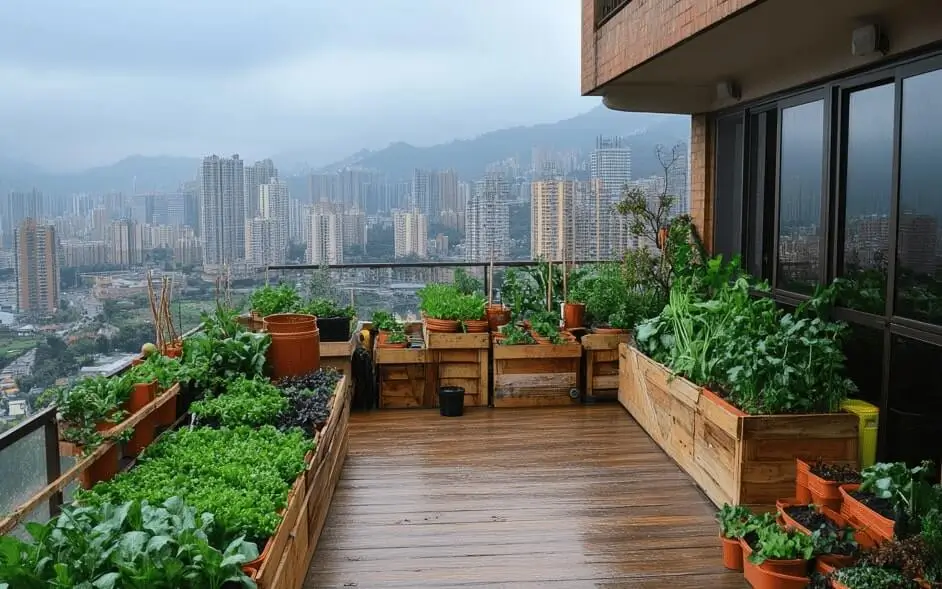
Balcony fruit gardening is the perfect solution for people who want to enjoy fresh, homegrown fruit without needing a large backyard. Whether you live in an apartment, condo, or small urban home, you can successfully grow delicious fruits in containers right on your balcony. With the right plants, sunlight, and care, even the smallest outdoor space can become a productive mini fruit garden full of flavor and greenery.
What Is Balcony Fruit Gardening?
Balcony fruit gardening is the practice of growing fruit plants—such as dwarf trees, berries, and vines—in containers on balconies, terraces, or small patios. Instead of planting in the ground, fruit plants are grown in pots, grow bags, or planters designed for limited space.
Why Balcony Gardening Works for Fruit
- Many fruit varieties are naturally compact or have been bred to remain small.
- Containers allow control over soil quality and drainage.
- Pots can be moved to maximize sunlight.
- Pruning keeps plants productive and manageable.
With proper care, container-grown fruit can be just as productive as garden-grown plants.
Benefits of Growing Fruit on a Balcony
Balcony fruit gardening offers more than just fresh produce.
- Space efficiency: Perfect for apartments and urban homes
- Fresh, chemical-free fruit: You control what goes into your soil
- Aesthetic value: Fruit plants add greenery and flowers
- Beginner-friendly: Containers simplify soil and pest control
- Flexible growing: Pots can be rearranged seasonally
Understanding Balcony Conditions Before You Start
Before choosing plants, carefully evaluate your balcony’s environment.
Sunlight Exposure
Most fruit plants need 6–8 hours of direct sunlight per day.
- South- or west-facing balconies are ideal.
- East-facing balconies suit berries and citrus
- North-facing balconies work best for shade-tolerant fruits.
Wind and Temperature
- High balconies are subject to strong winds—use windbreaks if needed.
- Containers heat and cool faster than the ground soil.
- Protect plants during heatwaves and cold snaps.
Weight Limits and Safety
- Use lightweight containers (plastic, fabric grow bags)
- Avoid oversized ceramic pots on high balconies.
- Always ensure proper drainage to prevent water damage.
Best Fruits for Balcony Fruit Gardening
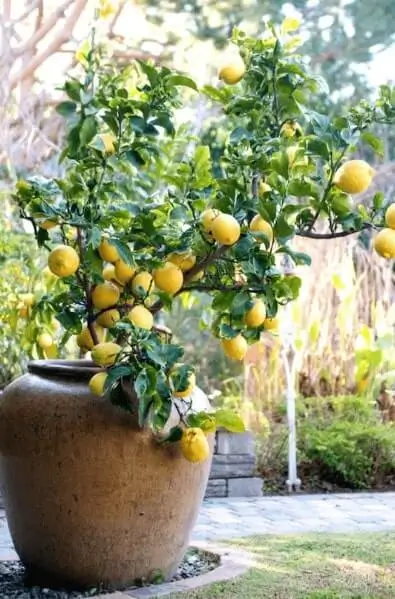
Dwarf and Compact Fruit Trees
These are specially bred or naturally small:
- Dwarf apple and pear trees
- Citrus trees (lemon, lime, mandarin)
- Fig trees
- Dwarf peach or nectarine
Small Fruits and Berries
Perfect for shallow containers and hanging baskets:
- Strawberries
- Blueberries (acidic soil required)
- Raspberries (compact varieties)
- Blackberries (thornless types)
Vining and Exotic Options
- Passion fruit (needs strong support)
- Dwarf bananas (ornamental and edible)
Choosing the Right Containers for Balcony Fruit Gardening
The container you choose directly affects plant health and yield.
Ideal Container Size
| Fruit Type | Minimum Pot Size |
| Strawberries | 15–20 cm (6–8 in) |
| Blueberries | 30–40 cm (12–16 in) |
| Citrus trees | 40–60 cm (16–24 in) |
| Dwarf fruit trees | 50–70 cm (20–28 in) |
Best Container Materials
- Fabric grow bags: lightweight, breathable, and excellent for drainage.
- Plastic pots: Affordable and easy to move
- Wood planters: Attractive but heavier
- Terracotta: Breathable but dries out faster
Always ensure drainage holes are present.
The Best Soil for Balcony Fruit Gardening
Fruit plants in containers rely entirely on the growing medium. Avoid garden soil—it compacts easily and drains poorly.
A high-quality potting mix designed for fruit provides:
- Good drainage
- Moisture retention
- Nutrient availability
Many beginners benefit from using or learning about the best soil for fruit in pots, as soil quality is one of the biggest success factors in container fruit growing.
Step-by-Step: How to Start Balcony Fruit Gardening
Step 1: Choose the Right Fruit
Select fruits that:
- Match your sunlight conditions.
- They are labelled “dwarf” or “patio” varieties.
- Suit your climate
Step 2: Prepare Containers and Soil
- Add drainage material if needed.
- Fill containers with quality potting mix.
- Leave space at the top for watering.
Step 3: Planting
- Plant at the same depth as in the nursery pot
- Gently firm the soil.
- Water thoroughly after planting
Step 4: Placement
- Position plants where they get maximum sunlight
- Rotate pots every 1–2 weeks for even growth.
Watering Fruit Plants on a Balcony
Container-grown fruit dries out faster than ground-grown fruit. A consistent routine is essential.
- Check soil moisture daily in warm weather.
- Water deeply until the excess drains out
- Avoid letting pots sit in standing water.
Many gardeners struggle at first, which is why following a proven watering schedule for potted fruit can prevent stress, fruit drop, and root problems.
Fertilizing Balcony Fruit Plants
Nutrients wash out of containers quickly, so regular feeding is necessary.
- Use slow-release organic fertilizer at planting.
- Supplement with liquid feed every 2–4 weeks.
- Increase feeding during flowering and fruiting.
Learning proper fertilizing of fruit trees in containers helps improve fruit size, sweetness, and overall plant health.
Pruning and Training for Small Spaces
Pruning keeps plants compact and productive.
- Remove dead or crossing branches.
- Limit height to balcony-friendly size.
- Train branches horizontally where possible.
Espalier techniques work especially well for apples, pears, and figs on balconies.
Common Mistakes in Balcony Fruit Gardening
Avoid these frequent beginner errors:
- Choosing full-size fruit trees
- Underestimating sunlight needs
- Overwatering or poor drainage
- Using low-quality potting soil
- Ignoring fertilization
Starting with container fruit gardening principles for beginners prevents frustration and wasted effort.
Tips for Success in Balcony Fruit Gardening
- Group plants with similar water needs
- Mulch the soil surface to reduce evaporation.
- Use saucers carefully—empty excess water
- Watch for pests early (aphids, spider mites)
- Protect plants from extreme weather.
Balcony Fruit Gardening FAQ
Can fruit trees really grow on a balcony?
Yes. Dwarf and patio varieties thrive in containers when given enough sun and proper care.
How much sun do balcony fruit plants need?
Most need 6–8 hours of direct sunlight daily. Some berries tolerate partial shade.
What is the easiest fruit to grow on a balcony?
Strawberries, citrus trees, figs, and dwarf apples are among the easiest.
Do container fruit plants need more fertilizer?
Yes. Nutrients leach out faster, so regular feeding is essential.
Can I grow fruit indoors on a balcony?
Covered or enclosed balconies work if enough light is available, sometimes with grow lights.
Conclusion: Turn Your Balcony Into a Fruit Garden
Balcony fruit gardening proves that space limitations don’t have to limit what you grow. With smart fruit selection, proper containers, quality soil, and consistent care, even a small balcony can produce delicious, homegrown fruit. Start small, learn as you go, and build confidence each season. For more in-depth guidance, explore related GrowFruitly resources and continue improving your balcony garden step by step. 🌱