
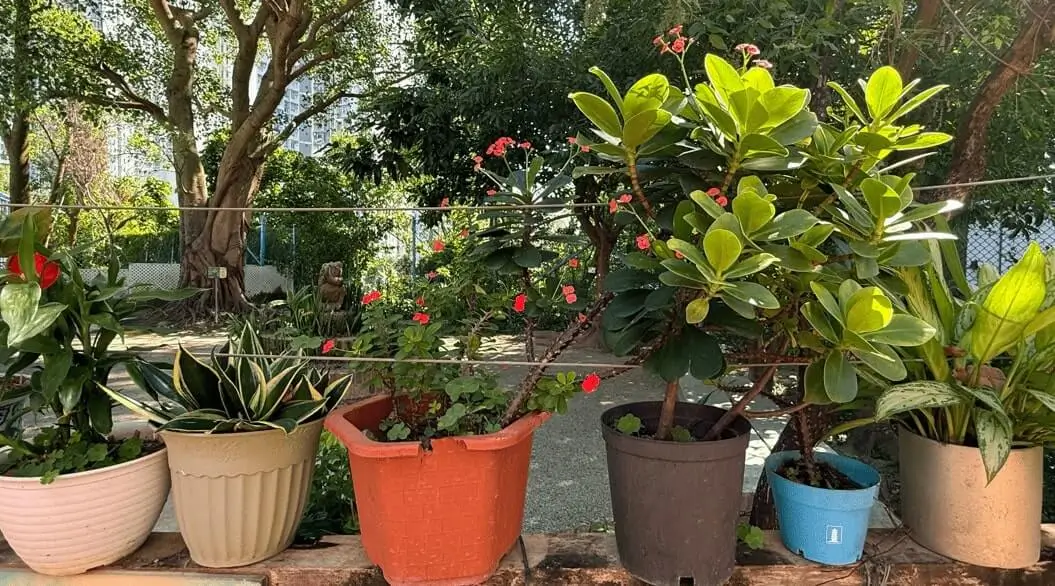
Container fruit gardening in hot climates can be incredibly rewarding when done correctly. Even in regions with scorching summers, intense sunlight, and dry conditions, gardeners can successfully grow delicious fruits in pots and containers. With the right techniques, your plants can thrive instead of struggling under extreme heat.
One of the biggest advantages of container gardening is flexibility. You can move plants to shaded areas during heatwaves, control soil quality more easily, and manage watering more efficiently than traditional in-ground gardening. From citrus trees and strawberries to figs and dwarf pomegranates, many fruit varieties adapt well to warm environments when given proper care.
In this guide, you’ll discover practical strategies for successful container fruit gardening in hot climates, including choosing heat-tolerant fruit plants, preventing soil from drying out too quickly, protecting roots from overheating, and maintaining healthy growth throughout the hottest months of the year.
Why Container Fruit Gardening in Hot Climates Requires a Different Approach
Heat Builds Faster in Pots
- Slowed nutrient uptake
- Wilting even with moist soil
- Reduced flowering and fruit set
Water Evaporates Rapidly
- Yellowing leaves
- Flower drop
- Small or misshapen fruits
Sun Exposure Is Both a Benefit and a Risk
- Afternoon sun can scorch leaves.
- Dark containers absorb excess heat.
- Reflective surfaces amplify stress.
Best Fruit Plants for Container Gardening in Hot Climates
Heat-Tolerant Fruit Trees and Plants
- Citrus (lemon, lime, orange, mandarin)
- Fig
- Pomegranate
- Guava
- Olive
- Date palm (dwarf varieties)
Dwarf and Semi-Dwarf Varieties Matter
- Adapt better to the container root space.
- Experience less heat stress.
- It is easier to move into shade during heatwaves.
Choosing the Right Containers for Extreme Heat
Best Container Materials for Hot Climates
- Light-colored plastic or resin – Reflects heat and retains moisture.
- Fabric grow bags – Excellent airflow, but require more frequent watering.
- Glazed ceramic – Durable and insulating, though heavier.
Container Size Guidelines
- Small fruit plants: 10–15 gallons
- Dwarf fruit trees: 20–25 gallons
- Long-term trees: 30+ gallons
Soil Mixes That Protect Roots From Heat
Ideal Soil Mix for Hot Climates
- 40% high-quality potting mix
- 30% compost or worm castings
- 20% coco coir (excellent for moisture retention)
- 10% perlite or pumice
Mulching Is Non-Negotiable
- Straw
- Wood chips
- Bark mulch
Smart Watering Strategies for Hot Weather
When to Water
- Early morning is best.
- Avoid midday watering (evaporation loss)
- Evening watering is acceptable in dry climates.
How to Water Properly
- Water deeply until the excess drains out
- Avoid light, frequent watering
- Check moisture 2–3 inches below the surface.
Drip Irrigation for Consistency
- Prevent drying cycles
- Reduce stress during heatwaves.
- They are ideal for balconies and patios.
Managing Sun Exposure Without Reducing Yield
Ideal Sunlight Balance
- Morning sun: Essential
- Afternoon sun: Partial shade in extreme heat
Practical Shade Solutions
- Shade cloth (30–50%)
- Positioning containers near walls with reflected morning light
- Moving pots during peak summer
Fertilizing Container Fruit Plants in Hot Climates
Best Fertilizer Practices
- Use slow-release organic fertilizers.
- Avoid fertilizing during heatwaves.
- Feed lightly but consistently.
Common Mistakes Beginners Make in Hot Climates
- Using dark, heat-absorbing containers
- Letting the soil dry completely between waterings
- Skipping mulch
- Overfertilizing in summer
- Ignoring root temperature
Seasonal Care Tips for Extreme Heat
Summer
- Increase watering frequency
- Add shade during heatwaves.
- Pause heavy pruning
Fall
- Reduce watering gradually
- Resume light feeding
Winter (Hot Regions)
- Monitor moisture
- Protect from dry winds.