
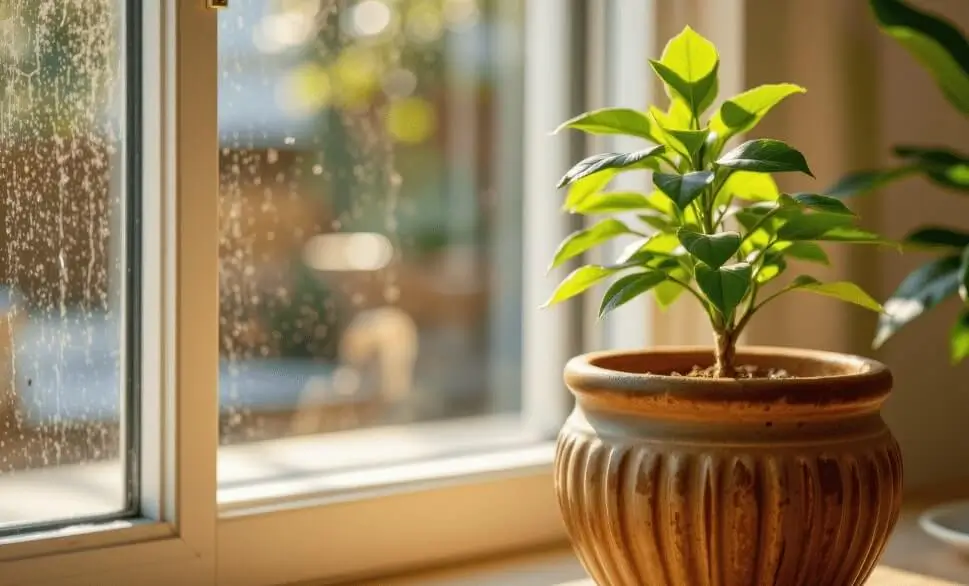
Container fruit gardening is surrounded by myths that often discourage beginners before they even start. Many people believe fruit trees can only thrive in large gardens, require expensive equipment, or produce poor harvests in pots. In reality, container fruit gardening can be highly productive when you understand the basics and avoid common misconceptions. This guide uncovers the biggest container fruit gardening myths, explains what beginners often get wrong, and reveals the practical methods that actually work for growing healthy fruit trees in containers.
Why Container Fruit Gardening Myths Matter
Believing the wrong advice doesn’t just slow your progress—it can completely derail your results. Many container fruit gardening myths lead beginners to:
- Choose the wrong fruit varieties.
- Use undersized or unsuitable containers.
- Overwater or underwater plants
- Give up too early due to poor harvests.
Container gardening is different from in-ground gardening, but that doesn’t mean it’s inferior. In fact, containers offer more control over soil quality, watering, and placement. Understanding the reality behind common myths helps you make smarter decisions, save money, and enjoy better harvests—especially if you garden on balconies, patios, rooftops, or small yards.
The Biggest Container Fruit Gardening Myths (Debunked)
Myth 1: Fruit Trees Can’t Grow Well in Containers
Reality: Many fruit trees thrive in containers—if you choose the right types.
Dwarf and semi-dwarf fruit trees are specifically bred for smaller root systems and controlled growth. Apples, citrus, figs, peaches, and even cherries can produce full harvests in pots when given enough space and care.
What really matters is container size and long-term planning. Trees don’t need unlimited soil; they need adequate soil volume, drainage, and nutrients. Understanding how deep containers should be for fruit trees makes a dramatic difference in success.
Myth 2: Containers Always Mean Small or Poor-Quality Fruit
Reality: Fruit size and flavour depend on light, nutrition, and water balance—not whether roots are in the ground.
In fact, container-grown fruit can be better because you control the soil mix and feeding schedule. High-quality potting mixes designed for edibles often outperform native garden soil. Choosing the best soil for fruit in pots helps roots stay healthy, aerated, and productive.
Consistent feeding and sunlight lead to juicy, flavorful fruit—regardless of where the roots live.
Myth 3: Container Fruit Gardening Is Only for Warm Climates
Reality: Containers actually make cold-climate fruit growing easier.
Potted fruit trees can be moved, insulated, or protected during winter. This flexibility allows gardeners in cooler regions to grow citrus, figs, or other tender fruits that wouldn’t survive in the ground. Containers also warm up faster in spring, encouraging earlier growth.
Cold climates require planning, not abandonment. Selecting hardy varieties and adjusting winter care is far easier than most beginners expect.
Myth 4: You Can Use Any Pot or Bucket
Reality: Container choice directly affects root health and long-term success.
While almost anything can hold soil, not everything supports healthy fruit growth. Drainage, material, depth, and width all matter. Plastic retains moisture, terracotta breathes, and fabric containers promote air pruning.
If you’re unsure where to start, choosing the right container material for fruit trees helps prevent root rot, nutrient deficiencies, and stunted growth.
Myth 5: Container Fruit Trees Need Constant Watering
Reality: Overwatering is far more common than underwatering.
Many beginners drown their plants out of fear. The truth is that containers need consistent, not constant, moisture. Well-draining soil and proper container design prevent soggy roots.
Modern solutions like self-watering containers for fruit trees help maintain steady moisture levels while reducing guesswork—especially helpful for busy gardeners.
Myth 6: You Don’t Need to Prune Container Fruit Trees
Reality: Pruning is more important in containers than in the ground.
Limited root space means you must balance top growth with root capacity. Regular pruning keeps trees compact, productive, and healthy. It also improves airflow and sunlight penetration, which boosts flowering and fruit set.
Pruning is essential for strong growth, more fruit, and less-stressed plants.
Step-by-Step Best Practices That Actually Work
1. Choose the Right Fruit Varieties
Start with dwarf or patio varieties of fruit trees. Berries, strawberries, blueberries, and raspberries adapt exceptionally well to containers.
If space is extremely limited, focus on compact or columnar varieties designed for small areas.
2. Size Containers for Long-Term Growth
Avoid starting too small. A young tree may look fine in a small pot, but fruiting requires space. Up-pot gradually and aim for a final container that supports mature growth.
Using a container fruit gardening checklist ensures you don’t miss critical setup steps early on.
3. Use Purpose-Built Potting Mixes
Never use garden soil alone. It compacts, drains poorly, and suffocates roots in containers. Instead, use high-quality mixes with compost, perlite, and organic matter designed for edible plants.
4. Feed Consistently (Not Excessively)
Container fruit trees rely entirely on you for nutrients. Slow-release fertilizers combined with liquid feeding during the growing season provide steady nutrition without overwhelming roots.
5. Manage Sunlight Strategically
Most fruiting plants need 6–8 hours of sun daily. Containers allow you to move plants to chase light or protect them from extreme heat. This flexibility is a major advantage over in-ground planting.
Common Beginner Mistakes to Avoid
- Choosing full-size fruit trees instead of dwarf varieties
- Ignoring container drainage holes
- Using cheap, low-quality potting soil
- Overwatering “just to be safe.”
- Forgetting seasonal feeding schedules
- Skipping pruning due to fear of harming the plant
Most failures blamed on “containers” are actually care-related issues—not limitations of container gardening itself.
Tools, Containers, and Care Tips That Make a Difference
Having the right setup simplifies everything:
- Sturdy containers sized for mature plants
- Well-draining potting mix formulated for fruit
- Mulch to reduce moisture loss
- Lightweight pots for mobility
- Basic tools outlined in the essential container fruit gardening tools guides
Good tools don’t replace good technique—but they make success easier and more consistent.
Frequently Asked Questions About Container Fruit Gardening Myths
Can fruit trees really produce full harvests in containers?
Yes. With adequate container size, sunlight, and nutrition, yields can rival in-ground trees.
Do container fruit trees need more fertilizer?
They need more regular feeding, not stronger doses. Consistency matters more than quantity.
Are containers only suitable for balconies and patios?
No. Containers work in gardens, on rooftops, courtyards, and even indoors with sufficient light.
Is container fruit gardening more expensive?
Not necessarily. While initial setup may cost more, long-term maintenance can be cheaper due to reduced pest and soil issues.
Can I grow multiple fruit trees in one container?
Generally no. Each fruit tree needs its own root space to stay healthy and productive.
Conclusion: Replace Myths With Confident Action
Container fruit gardening myths persist because many people try container growing without understanding its unique rules. When approached correctly, containers don’t limit fruit gardening—they expand it. You gain control over soil, water, light, and climate in ways in-ground gardeners often can’t.
The key takeaway is simple: containers work when you work with them, not against them. Choose the right varieties, use proper containers and soil, feed consistently, and prune with purpose. If you do, container fruit gardening becomes one of the most rewarding ways to grow fresh fruit—no backyard required.
Your next step? Apply one myth-busting improvement this season and watch how quickly your container fruit plants respond.