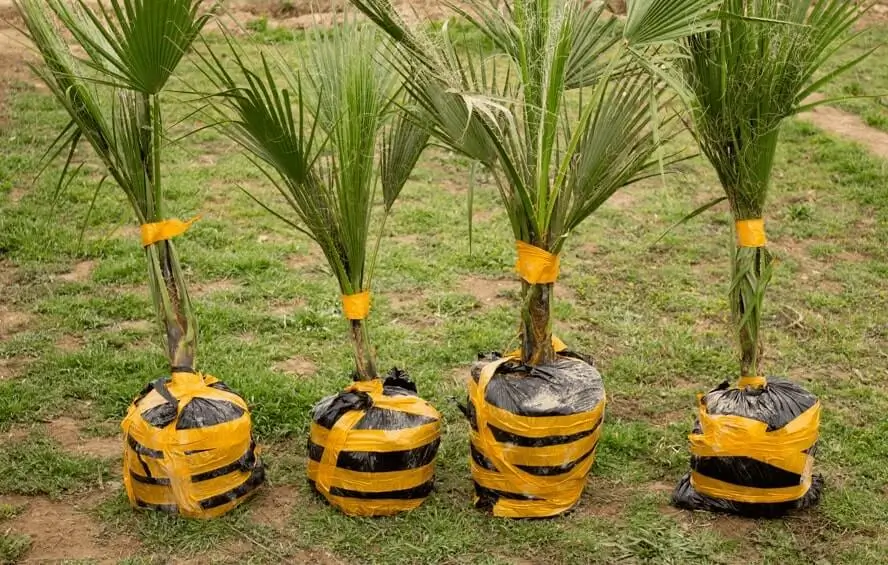
Choosing the right growing medium is one of the most important steps in successful container fruit gardening. Many gardeners struggle with heavy soil, poor drainage, and compacted potting mixes that limit root growth and reduce fruit production. That’s where coconut coir becomes a game changer.
Coconut coir is a natural growing medium made from coconut husks. It has become increasingly popular among container gardeners because it improves moisture retention, boosts aeration, and creates healthier root systems for fruit trees grown in pots. Whether you are growing lemons, figs, blueberries, or dwarf mango trees, coconut coir can help create a balanced environment for strong growth and better harvests.
In this complete guide, you’ll learn what coconut coir is, its advantages and disadvantages, how to use it correctly for container fruit trees, and the best ways to mix it with other growing materials for long-term success.
Why Coconut Coir Matters for Container Fruit Gardening
Growing fruit trees in containers is very different from planting in the ground. Roots are confined, water drains faster, and nutrients wash out more easily. Coconut coir addresses many of these challenges naturally.
Excellent Water Retention Without Waterlogging
Coconut coir can hold up to 8–10 times its weight in water while still allowing excess moisture to drain. This balance is ideal for fruit trees that need consistent moisture but hate soggy roots. Unlike peat moss, coir rehydrates easily and doesn’t repel water once dry.
Improved Aeration for Strong Roots
Healthy fruit trees depend on oxygen-rich root zones. Coconut coir has a fibrous structure that keeps soil mixes light and airy, preventing compaction over time. This is especially important for long-term container trees, such as citrus, figs, and dwarf apples.
Sustainable and Eco-Friendly
Coconut coir is a renewable byproduct of the coconut industry, making it a more sustainable choice than peat moss. For gardeners looking to reduce environmental impact without sacrificing performance, coir is a smart alternative.
Neutral pH for Versatile Use
With a near-neutral pH (around 5.8–6.8), coconut coir works well for most fruit trees. You can easily fine-tune pH depending on the plant, which pairs well with guidance from our article on the
best soil pH for fruit trees.
What Is Coconut Coir and How Does It Compare to Other Media
Coconut coir comes from the fibrous husk of coconuts and is typically sold in compressed bricks, blocks, or loose bags. It’s often compared to peat moss, but there are key differences.
Coconut Coir vs. Peat Moss
- Sustainability: Coir is renewable; peat moss is not.
- Water behaviour: Coir rehydrates easily, peat can become hydrophobic.
- Longevity: Coir breaks down more slowly in containers.
Coconut Coir vs. Garden Soil
Garden soil is too dense for container use and often harbours pests or diseases. Coconut coir, when blended properly, creates a sterile, lightweight base ideal for pots.
Coconut Coir vs. Compost
Compost adds nutrients but can be heavy on its own. Coir provides structure and moisture balance, making it an excellent partner for compost—especially when following best composting practices for
container fruit gardening.
How to Use Coconut Coir for Fruit Trees (Step-by-Step)
Step 1: Rehydrate the Coconut Coir
If using compressed bricks:
- Place the brick in a large container.
- Add warm water gradually (usually 4–5 litres per brick).
- Let it expand fully and fluff it by hand.
Step 2: Create a Balanced Soil Mix
Coconut coir works best as part of a blend, not on its own. A reliable mix for fruit trees in pots:
- 40% coconut coir
- 30% high-quality compost
- 20% perlite or pumice (for drainage)
- 10% aged bark or coarse sand
This structure complements the techniques explained for improving
drainage in pots.
Step 3: Add Slow-Release Nutrients
Coconut coir is low in nutrients. Mix in:
Step 4: Choose the Right Container
Use containers with:
- Multiple drainage holes
- Adequate size for the tree’s mature root system
- Breathable materials (fabric pots or terracotta work well)
Step 5: Plant and Water Thoroughly
After planting, water deeply until water drains from the bottom. This settles the mix and removes air pockets around roots.
Best Fruit Trees for Coconut Coir-Based Mixes
Coconut coir is suitable for most container fruit trees, especially:
- Citrus (lemon, lime, orange)
- Figs
- Dwarf apples and pears
- Peaches and nectarines
- Tropical fruits like guava or pomegranate
These trees benefit from consistent moisture and aeration—two strengths of coconut coir.
Common Mistakes Beginners Make with Coconut Coir
Using Coconut Coir Alone
Pure coconut coir holds water but lacks nutrients and structure for long-term growth. Always blend it with compost and drainage materials.
Forgetting to Supplement Calcium and Magnesium
Some coir products bind calcium and magnesium. Adding dolomitic lime or a balanced organic fertilizer prevents deficiencies.
Overwatering
Even with good drainage, coir can stay moist longer than expected. Check soil moisture before watering again.
Reusing Old Coir Without Refreshing It
If you reuse a coir-based mix, refresh it properly. Our guide on refreshing
old potting soil explains how to safely restore structure and nutrients.
Ongoing Care Tips for Fruit Trees Grown in Coconut Coir
Watering Schedule
- Water deeply but less frequently
- Adjust based on season and container size.
Fertilizing
- Use balanced organic fertilizer every 4–6 weeks.
- Supplement with liquid feeds during flowering and fruiting.
Mulching
A thin layer of organic mulch on top reduces evaporation and keeps roots cool.
Root Maintenance
Every 1–2 years, gently root-prune and refresh the mix to prevent root binding.
FAQ: Coconut Coir for Fruit Trees
Is coconut coir good for all fruit trees?
Yes, when mixed properly. Most container fruit trees thrive in coir-based blends with added nutrients and drainage materials.
Can I completely replace peat moss with coconut coir?
Yes. Coconut coir is an excellent peat moss alternative and often performs better in containers.
How long does coconut coir last in pots?
Coconut coir can last 3–5 years before breaking down, making it ideal for long-term container growing.
Does coconut coir attract pests?
No more than other organic media. Proper drainage and avoiding overwatering reduce pest risks.
Can I reuse coconut coir for new fruit trees?
Yes, as long as you refresh it with compost, fertilizer, and aeration materials.
Conclusion: Is Coconut Coir Worth It for Fruit Trees?
Coconut coir for fruit trees is one of the most effective upgrades you can make for container gardening. It improves moisture control, enhances root aeration, and supports healthier, more productive trees—especially in small spaces. When combined with compost, proper drainage, and regular feeding, coconut coir creates a long-lasting growing medium that outperforms many traditional mixes. If you’re serious about growing fruit successfully in pots, start by upgrading your soil foundation. Choose high-quality coconut coir, mix it correctly, and pair it with smart watering and fertilizing habits. Your fruit trees will reward you with stronger growth and better harvests season after season.