
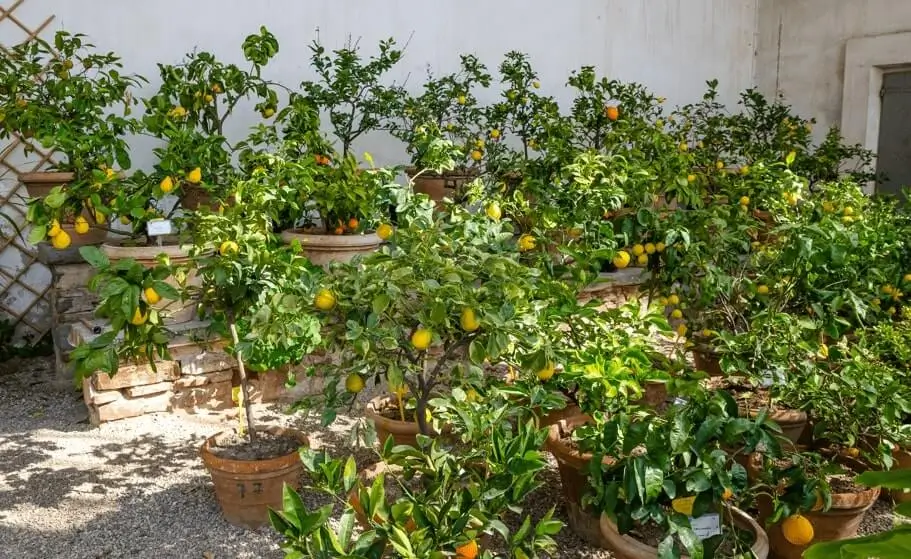
Growing fruit trees on a small terrace may seem challenging at first, but with the right planning, even the smallest outdoor space can become a productive mini orchard. Whether you live in an apartment, urban home, or compact city space, terrace gardening allows you to enjoy fresh fruit, greenery, and a relaxing environment without needing a large backyard. From choosing compact fruit tree varieties to maximizing sunlight and container space, beginners can successfully grow healthy fruit trees in pots with surprisingly good harvests.
Why Growing Fruit Trees on Small Terraces Matters
Urban living doesn’t have to mean giving up on fruit gardening. In fact, terrace fruit growing offers several unique advantages:
- Efficient use of space: Vertical growth and containers let you garden where there’s no ground soil.
- Better control: Containers let you manage soil quality, watering, and nutrients.
- Accessibility: Trees are easier to prune, feed, and harvest when grown in pots.
- Sustainability: Growing your own fruit reduces food miles and packaging waste.
For beginners, especially, terrace gardening removes many unknowns found in ground planting. If you’re new to containers, our beginner-friendly guide on how to start container fruit gardening from scratch can help you build a strong foundation before choosing your first trees.
Step-by-Step Guide to Growing Fruit Trees on Small Terraces
1. Evaluate Your Terrace Conditions
Before buying any tree, take time to understand your terrace environment.
Key factors to check:
- Sunlight: Most fruit trees need 6–8 hours of direct sun daily.
- Wind exposure: High terraces can be windy, which dries the soil and damages branches.
- Weight limits: Large soil-filled containers can be heavy—confirm your terrace’s load capacity.
- Water access: Easy access makes consistent watering much simpler.
If sunlight is limited, don’t worry—some fruits tolerate partial sun. You may also want to explore container fruit gardening without full sunlight for realistic alternatives.
2. Choose the Best Fruit Trees for Small Terraces
Not all fruit trees are terrace-friendly. Focus on compact, slow-growing, or dwarf varieties.
Excellent options include:
- Citrus trees (lemon, lime, calamondin)
- Fig trees
- Dwarf apple and pear trees
- Peach and nectarine (dwarf types)
- Pomegranate
- Olive trees (ornamental + fruiting types)
Avoid large, vigorous trees unless they are specifically labelled as dwarf or patio varieties. For a deeper comparison, our guide on the best fruit trees for urban and small spaces can help narrow your choices.
3. Select the Right Containers
Container choice can make or break terrace fruit gardening.
Container essentials:
- Size: Start with a diameter of 40–60 cm (16–24 inches) for young trees.
- Depth: Deep containers support strong root systems.
- Drainage holes: Absolutely non-negotiable.
- Material: Plastic is lightweight, terracotta is breathable, and fabric pots improve root health.
If you’re unsure which materials perform best, check out our detailed breakdown on choosing the right container material for fruit trees.
4. Use High-Quality Soil Mix
Garden soil alone is too heavy for containers. A good fruit tree mix should be:
- Light and well-draining
- Rich in organic matter
- Able to retain moisture without waterlogging
A simple blend:
- 40% high-quality potting mix
- 30% compost
- 20% coco coir or peat
- 10% perlite or coarse sand
For more details, our article on the best soil for growing fruit in pots explains how to fine-tune mixes for long-term success.
5. Planting Your Fruit Tree Correctly
Planting depth is critical.
Steps:
- Add a drainage layer (optional but helpful).
- Partially fill the container with soil mix.
- Place the tree so the graft union stays above soil level.
- Fill around the roots gently—don’t compact too much.
- Water thoroughly after planting.
Position containers where they receive maximum sun and airflow without being exposed to extreme wind.
6. Watering and Feeding on a Terrace
Terrace containers dry out faster than ground soil.
Watering tips:
- Check moisture daily during hot weather.
- Water deeply until it drains from the bottom.
- Avoid frequent shallow watering.
Feeding tips:
- Use a balanced slow-release fertilizer in spring.
- Supplement with liquid feeds during flowering and fruiting.
If feeding feels confusing, follow our step-by-step guide to feeding potted fruit trees correctly for consistent growth and better yields.
7. Pruning and Training for Small Spaces
Pruning keeps terrace fruit trees productive and compact.
Why it matters:
- Controls size
- Improves sunlight penetration
- Encourages fruiting spurs
Focus on:
- Removing dead or crossing branches
- Keeping an open center or compact shape
- Light pruning annually rather than heavy cuts
Espalier or fan-trained trees are excellent for terrace walls and railings.
Common Mistakes Beginners Make
Even motivated gardeners struggle at first. Avoid these common pitfalls:
- Choosing full-size trees instead of dwarf varieties
- Using undersized containers
- Poor drainage leading to root rot
- Overwatering or underwatering
- Ignoring regular feeding
- Skipping pruning until trees become unmanageable
If you want a simple way to avoid errors, keep a printable container-gardening checklist nearby during your first year.
Tools, Care Tips, and Maintenance Essentials
You don’t need many tools, but the right ones help:
Must-haves:
- Moisture meter or finger test habit
- Sharp pruning shears
- Slow-release fertilizer
- Mulch to reduce evaporation
Self-watering containers can also reduce maintenance and are ideal for busy gardeners or hot climates.
FAQ: Growing Fruit Trees on Small Terraces
Can fruit trees really produce well on small terraces?
Yes. With adequate sun, proper containers, and feeding, many terrace-grown trees produce excellent harvests.
How much sunlight do terrace fruit trees need?
Most need 6–8 hours of daily sunlight, but figs, citrus, and some berries can tolerate slightly less.
Do I need to repot fruit trees regularly?
Yes. Repot every 2–3 years or root-prune to prevent trees from becoming root-bound.
Are self-watering pots good for fruit trees?
They can be very effective, especially in hot climates, but still require monitoring.
What’s the easiest fruit tree for beginners?
Citrus trees are forgiving, productive, and well-suited to container life.
Conclusion: Your Terrace Can Become a Fruit Garden
Growing fruit trees on small terraces is one of the most rewarding forms of urban gardening. With the right tree choices, proper containers, quality soil, and consistent care, even beginners can enjoy fresh fruit just steps from their home.
Start small with one or two trees, learn their needs, and expand gradually. Apply the techniques in this guide, use proven container methods, and your terrace can evolve into a productive, beautiful mini orchard season after season.