
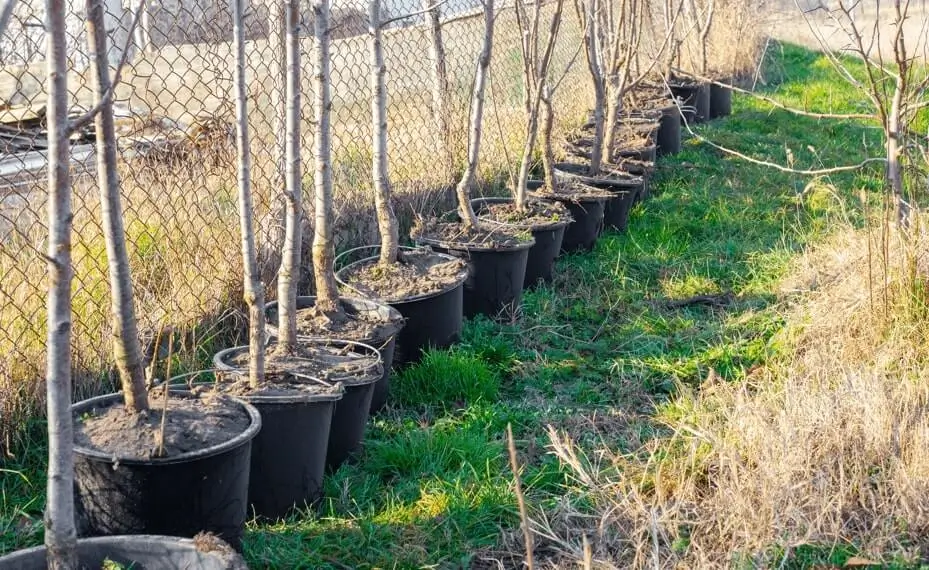
Weak root systems are one of the most common yet overlooked problems in container-grown fruit trees. When roots fail to develop properly, trees struggle to absorb water and nutrients, leading to slow growth, instability, and reduced fruit production. In containers, roots are confined to limited space, making proper care even more critical. Understanding the causes of weak roots and applying the right techniques can transform fragile trees into strong, productive plants with healthy, well-established root systems.
Why Fruit Trees With Weak Root Systems Matter in Container Gardening
Container fruit gardening magnifies root problems. In the ground, roots can spread to compensate for weaknesses. In pots, they can’t. That’s why fruit trees with weak root systems are more prone to:
- Tipping or leaning, especially in wind
- Water stress, even with regular watering
- Nutrient deficiencies and pale growth
- Slow establishment after planting
Some fruit trees naturally have shallow or fine root systems, while others develop weak roots due to poor nursery practices or incorrect potting. If you’ve ever dealt with fruit trees dying in pots, weak or damaged roots are often a major hidden cause.
Understanding root behavior is essential for success in small spaces. Strong roots anchor the tree, regulate water uptake, and fuel healthy leaf and fruit growth. When roots fail, everything above the soil line suffers.
Common Fruit Trees Known for Weak or Shallow Root Systems
Not all fruit trees behave the same in containers. Some need extra support and care because their roots are naturally shallow, brittle, or slow-growing.
Fruit trees that often need extra root support:
- Fig trees – Shallow roots that spread near the surface
- Citrus (lemon, orange, mandarin) – Fine feeder roots sensitive to overwatering
- Avocado trees – Extremely delicate roots with poor tolerance to compaction
- Peach and nectarine trees – Fast top growth that can outpace root strength
Dwarf and semi-dwarf varieties are ideal for containers, but even they can struggle if the root environment isn’t right. If your tree looks healthy on top but feels unstable in the pot, the issue is almost always below the surface.
Why Root Systems Become Weak in Containers
Before fixing the problem, it helps to know what causes it. Most weak-root issues are avoidable.
1. Incorrect container size or shape
Pots that are too tall and narrow encourage downward root spiraling instead of lateral strength. This is a common issue discussed in guides about choosing the right pot size for fruit trees.
2. Poor soil structure
Heavy garden soil or cheap potting mixes compact easily, suffocating roots and blocking oxygen flow.
3. Overwatering or poor drainage
Roots need oxygen as much as water. Constantly wet soil leads to rot and weak, shallow roots.
4. Nursery-bound roots
Trees left too long in small nursery pots develop circling roots that never anchor properly unless corrected at planting.
Step-by-Step: How to Strengthen Weak Root Systems in Fruit Trees
Step 1: Choose the right container (this matters more than fertilizer)
Select a wide, stable pot rather than a deep, narrow one.
Ideal container features:
- Width greater than depth
- Multiple drainage holes
- Heavy material (ceramic, thick plastic, fabric grow bags with structure)
Wide containers encourage lateral root growth, which increases stability. If your tree keeps leaning, upgrading the container alone can solve 50% of the problem.
Step 2: Build a root-supportive soil mix
Avoid garden soil. Instead, create a mix that balances drainage and moisture retention.
Beginner-friendly soil blend:
- 40% high-quality potting mix
- 30% compost or worm castings
- 20% perlite or pumice
- 10% coco coir or aged bark
This structure keeps roots oxygenated while preventing rapid drying. If your tree shows stress symptoms like pale leaves, improving soil aeration often helps more than adding fertilizer—something also covered when addressing fruit trees with pale green leaves.
Step 3: Correct root issues at planting or repotting
When repotting, inspect the root ball carefully:
- Gently loosen circling roots
- Trim only dead or severely tangled roots
- Spread roots outward before backfilling
This step is critical. Ignoring root binding guarantees long-term weakness.
Step 4: Water deeply—but less often
Frequent shallow watering trains roots to stay near the surface.
Instead:
- Water slowly until it drains from the bottom
- Let the top 2–5 cm of soil dry before watering again
Deep watering encourages roots to grow downward and outward, improving anchorage and resilience.
Supporting Weak Roots During Early Growth
Young container trees often need temporary support while roots establish.
Use stakes wisely
- Use one or two loose stakes, not tight ties
- Allow slight movement—this strengthens roots
- Remove supports after one growing season
Mulch the surface
A thin organic mulch layer:
- Regulates soil moisture
- Protects surface feeder roots
- Reduces temperature stress
Avoid piling mulch against the trunk, which can cause rot.
Fertilization Tips for Trees With Weak Roots
Weak roots can’t handle heavy feeding. Overfertilizing often makes the problem worse by forcing top growth faster than roots can support it.
Best practices:
- Use slow-release, balanced fertilizer
- Favor organic options like compost tea
- Avoid high-nitrogen feeds early on
If your tree looks stressed after feeding, pause and focus on root health instead. Root recovery should always come before fruit production—a principle also emphasized in guides on helping stressed fruit trees recover.
Common Mistakes Beginners Make (and How to Avoid Them)
Mistake 1: Bigger pot, same bad soil
Upgrading the container without fixing soil structure doesn’t help roots.
Mistake 2: Constant watering “just in case”
This leads to oxygen-starved roots and fungal issues.
Mistake 3: Ignoring early instability
A leaning tree is a warning sign. Address it early before roots weaken further.
Mistake 4: Letting fruit form too soon
Early fruiting diverts energy away from root development. Remove flowers in the first year if roots are weak.
Tools and Supplies That Actually Help Root Strength
You don’t need fancy gear—just the right basics.
Useful tools:
- Breathable fabric pots or wide containers
- Perlite or pumice for soil aeration
- Soft plant ties for temporary support
- Moisture meter (optional, helpful for beginners)
Avoid “root stimulator” products with vague claims. Healthy roots come from structure, oxygen, and patience—not miracle liquids.
FAQ: Fruit Trees With Weak Root Systems
Why does my fruit tree keep falling over in its pot?
This usually means the root system hasn’t spread laterally. A wider container and better soil aeration typically solve the issue.
Can weak-rooted fruit trees recover?
Yes. With proper container size, corrected soil, and controlled watering, most trees recover within one growing season.
Are dwarf fruit trees more prone to weak roots?
Not inherently, but they are more sensitive to poor potting practices. Proper setup is essential.
Should I prune the top growth to help weak roots?
Light pruning can help balance growth, but avoid heavy cuts unless the tree is severely unbalanced.
Is it better to plant weak-rooted trees in the ground?
If space allows, yes. But with correct container techniques, they can thrive long-term in pots.
Conclusion: Build Roots First, Fruit Follows
Fruit trees with weak root systems aren’t failures—they’re signals. Signals that the container, soil, or care routine needs adjustment. By choosing wide, stable pots, creating breathable soil, watering deeply, and avoiding common beginner mistakes, you give roots the environment they need to strengthen naturally.
Focus on roots first, especially in the first year. Stability, healthy leaves, and fruit production will follow. If your tree has struggled before, don’t give up—apply these steps, monitor progress, and adjust patiently. Strong roots are the foundation of every successful container fruit tree.