
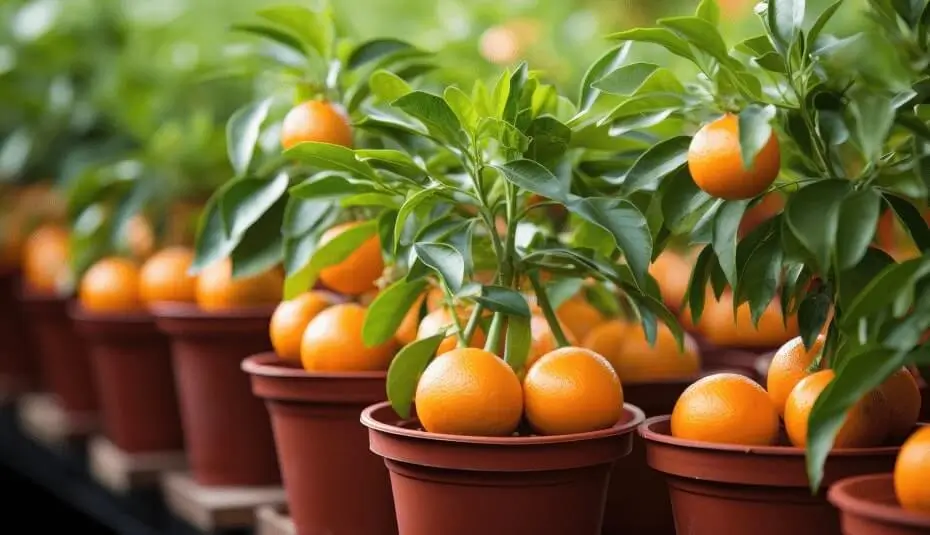
Growing fruit in a small space is easier than many beginners think. Whether you have a balcony, patio, rooftop, or tiny backyard, you can still enjoy fresh homegrown fruit with the right gardening methods. Small space fruit gardening focuses on using containers, vertical growing systems, dwarf fruit trees, and smart layout ideas to maximize every inch of available space.
This beginner-friendly guide shares practical small space fruit gardening tips that help home gardeners grow healthy fruit plants successfully, even in compact urban environments. From choosing the right containers to improving sunlight and watering habits, these tips make fruit gardening simple, productive, and enjoyable for anyone starting their home garden journey.
What Is Small Space Fruit Gardening?
Small-space fruit gardening focuses on growing fruit plants in limited areas using smart techniques such as containers, vertical growing, and compact varieties.
Instead of traditional orchards, you grow fruit in:
- Pots and planters
- Raised beds
- Balconies, patios, and rooftops
- Walls, trellises, and vertical systems
This approach is ideal for:
- Apartment dwellers
- Urban gardeners
- Renters
- Beginners who want low-risk, manageable fruit plants
The key is working with your space, not against it.
Why Small Space Fruit Gardening Works So Well
Many fruit plants naturally adapt to containers and tight areas when given proper care.
Key benefits
- Space-efficient: Grow more plants in less area
- Beginner-friendly: Easier to manage than in-ground trees
- Portable: Move plants to chase sunlight or protect from cold
- Better control: Easier soil, water, and pest management
With the right setup, container-grown fruit often performs better than ground-planted trees.
Step 1: Choose the Right Fruits for Small Spaces
Not all fruit plants are created equal. The first rule of success is choosing varieties that naturally stay compact.
Best fruit types for small spaces
- Citrus (lemon, lime, calamondin)
- Strawberries
- Blueberries
- Figs
- Dwarf apples and pears
- Peaches and nectarines (dwarf varieties)
If you’re just starting, focus on container fruit gardening for beginners, where compact plants and forgiving varieties reduce mistakes.
Look for these labels when buying plants.
- “Dwarf” or “semi-dwarf”
- “Patio” or “compact”
- “Container-friendly”
Avoid full-size fruit trees unless you plan to prune aggressively.
Step 2: Match Containers to Fruit Plants
Choosing the right container is one of the most overlooked small-space fruit gardening tips.
Container size basics
- Small berries: 10–15 gallons
- Citrus and dwarf trees: 15–25 gallons
- Larger dwarf trees: 25–30 gallons
Too-small containers cause:
- Root binding
- Poor fruiting
- Frequent watering stress
Container material options
- Plastic: Lightweight, affordable
- Terracotta: Breathable but dries faster
- Fabric grow bags: Excellent drainage and root health.
Make sure every container has drainage holes—this is non-negotiable.
Step 3: Use the Best Soil for Containers
Garden soil does not belong in pots. One of the most common beginner mistakes is using heavy soil that suffocates roots.
Use a light, well-draining container mix. For detailed guidance, see this in-depth resource on the best soil for fruit in pots, which explains ideal mixes for long-term plant health.
Ideal container soil characteristics
- Loose and airy
- Retains moisture without staying soggy
- Rich in organic matter
A quality mix helps:
- Prevent root rot
- Improve nutrient uptake
- Support consistent fruiting
Step 4: Maximize Sunlight in Small Areas
Most fruit plants need 6–8 hours of direct sunlight daily.
Smart sunlight tips
- Place pots on wheeled stands to follow the sun
- Use reflective surfaces (white walls, mirrors)
- Prioritize south-facing balconies or windows.
If sunlight is limited:
- Choose shade-tolerant fruits (figs, some berries)
- Focus on leafy growth first, fruit later.
Sunlight management is often more important than fertilizer.
Step 5: Water Correctly (Not Too Much, Not Too Little)
Improper watering is the #1 killer of container fruit plants.
Containers dry out faster than ground soil, but overwatering is just as harmful. Follow a consistent watering schedule for potted fruit based on plant size, weather, and container material.
Watering best practices
- Water deeply until it drains from the bottom
- Let the top 1–2 inches of soil dry before watering again.
- Increase frequency during hot weather.
Signs of watering problems:
- Yellow leaves → possible overwatering
- Drooping leaves → underwatering or heat stress.
Step 6: Feed Fruit Plants the Right Way
Container-grown fruit relies entirely on you for nutrients.
Instead of random feeding, use a structured approach to fertilizing fruit trees in containers, so plants grow steadily without excessive leaf growth.
Fertilizer tips for small spaces
- Use slow-release organic fertilizers.
- Supplement with liquid feed during flowering.
- Avoid high-nitrogen formulas late in the season.
Balanced feeding leads to:
- Strong roots
- Better blossoms
- More consistent fruit size
Step 7: Prune and Train for Compact Growth
Pruning is not optional in small-space fruit gardening—it’s essential.
Why pruning matters
- Controls plant size
- Improves airflow
- Boosts fruit production
Simple pruning tips for beginners
- Remove dead or crossing branches.
- Keep the center open.
- Prune lightly but regularly.
For vertical areas, train plants along:
- Trellises
- Railings
- Espalier systems against walls
Common Small Space Fruit Gardening Mistakes
Avoid these beginner traps to save time and money.
Most common errors
- Choosing full-size fruit trees
- Using garden soil in containers
- Overwatering “just in case.”
- Ignoring sunlight needs
- Skipping pruning
Learning these early dramatically improves your success rate.
Proven Tips for Long-Term Success
Here are extra small space fruit gardening tips used by experienced growers:
- Start with 1–2 plants, not many.
- Label plants and track care routines
- Rotate pots seasonally for even growth.
- Mulch containers to retain moisture
- Protect roots from extreme heat or cold.
Consistency beats complexity every time.
FAQ: Small Space Fruit Gardening Tips
Can I grow fruit on a balcony?
Yes. Many fruits thrive on balconies if they receive enough sunlight and are grown in proper containers.
What fruit is easiest for beginners?
Strawberries, dwarf citrus, and figs are among the easiest and most forgiving options.
How often should I water fruit in containers?
It depends on weather, pot size, and plant type, but most need watering when the topsoil dries slightly.
Do container fruit plants really produce fruit?
Absolutely. With good care, container-grown fruit can be just as productive as in-ground plants.
How long does it take to get fruit?
Some fruits, like strawberries, produce in months, while dwarf trees may take 1–3 years.
Conclusion: Start Small, Grow Smart
Small-space fruit gardening isn’t about limitations—it’s about smart choices. By selecting compact plants, using proper containers and soil, managing sunlight, and following consistent care routines, you can grow fresh fruit almost anywhere.
If you’re ready to take the next step, explore more beginner-friendly guides on GrowFruitly to build confidence and turn your small space into a productive fruit garden—one pot at a time. 🌱🍓