
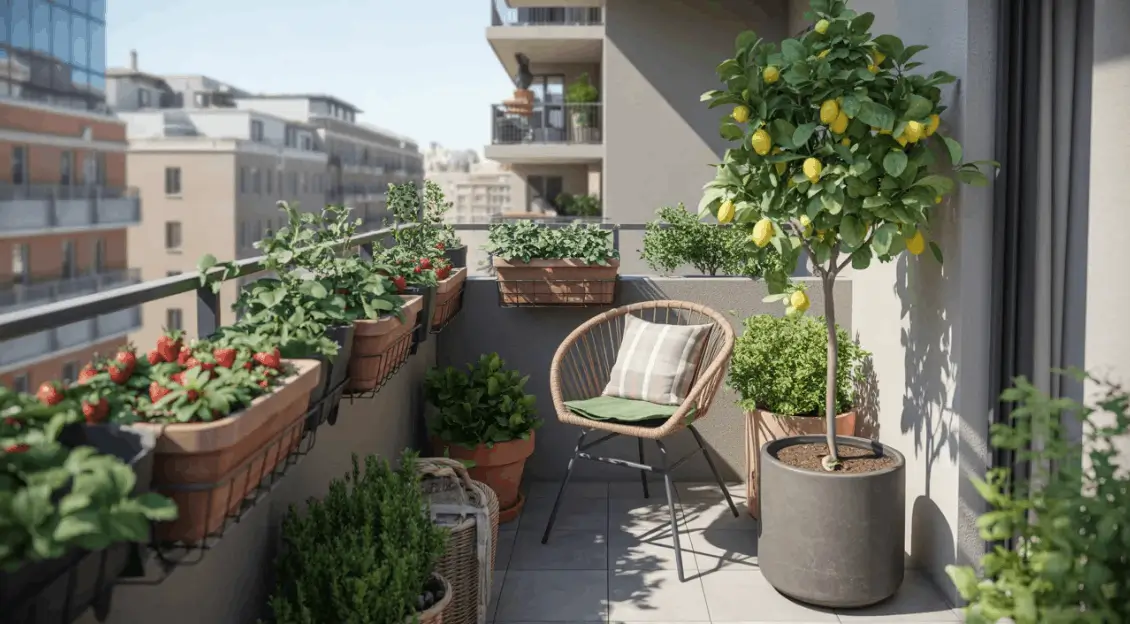
Small space fruit gardening is the perfect solution for anyone who wants to grow fresh, delicious fruit without needing a large backyard. Whether you have a balcony, patio, or just a sunny corner indoors, you can successfully cultivate a variety of fruit plants using smart techniques like container gardening and vertical growing. This approach makes it easy for beginners and urban gardeners to enjoy homegrown harvests while maximizing every inch of available space.
In this guide, you’ll learn what small space fruit gardening is, how it works, which fruits grow best, and how beginners can start successfully.
What Is Small Space Fruit Gardening?
Small space fruit gardening is the practice of growing fruit plants in limited areas using space-efficient methods.
Instead of planting fruit trees in large garden beds, gardeners use strategies such as:
- Growing fruit trees in containers
- Using compact or dwarf fruit varieties
- Vertical gardening systems
- Balcony and patio setups
- Hanging baskets or wall planters
The goal is simple: produce fresh fruit while using as little space as possible.
This type of gardening is especially popular for:
- Apartment dwellers
- Urban gardeners
- People with small yards
- Balcony or rooftop gardeners
- Beginners who want manageable plants
Small space gardening focuses on efficiency, plant health, and smart design, allowing even beginners to enjoy homegrown fruit.
Why Small Space Fruit Gardening Is Becoming Popular
More people are discovering the benefits of growing fruit in small spaces. Modern lifestyles and urban living have made traditional gardening difficult for many households.
Small space fruit gardening solves this problem.
Here are a few reasons why it has become so popular.
1. Perfect for Urban Living
Many homes today don’t have large gardens. Small space gardening allows people to grow fruit on:
- Balconies
- Patios
- Rooftops
- Small courtyards
- Indoor spaces with good sunlight
Even a tiny balcony can support several fruit plants when containers are used correctly.
2. Easy for Beginners
Large gardens can feel overwhelming for new gardeners. Small space gardening simplifies the process.
Beginners can start with:
- One or two fruit plants
- Simple containers
- Basic watering routines
Because the plants are close and easy to monitor, problems are often noticed earlier and fixed faster.
3. Lower Maintenance
Traditional fruit trees can grow very large and require significant care.
Container fruit plants are usually:
- Smaller
- Easier to prune
- Easier to water
- Easier to protect from pests
This makes them ideal for people with limited time or gardening experience.
4. Flexible and Portable
Another advantage of container gardening is mobility.
You can move containers to:
- Get better sunlight
- Protect plants from strong wind
- Bring plants indoors during cold weather
- Rearrange your growing space
This flexibility helps plants stay healthy throughout the year.
Where Can You Grow Fruit in Small Spaces?
One of the best things about small space fruit gardening is that it works in many environments.
Balconies
Balconies are one of the most common places for container fruit gardening.
They typically receive:
- Good sunlight
- Protection from ground pests
- Convenient access for watering
With proper containers, a balcony can support several productive fruit plants.
Patios
Patios offer more room for slightly larger containers.
Gardeners often grow:
- Dwarf citrus trees
- Fig trees
- Blueberries
- Strawberries
Patios also allow the use of decorative pots and raised containers.
Rooftops
Rooftop gardening is becoming increasingly popular in cities.
These areas usually receive excellent sunlight, which is ideal for fruit production.
However, gardeners should ensure:
- Containers are stable in wind
- Plants receive consistent watering
- Containers are not too heavy for the structure
Windowsills
Small fruit plants can also grow indoors near sunny windows.
Suitable choices include:
- Strawberries
- Small peppers
- Compact citrus varieties
A bright south-facing window is usually the best option.
Best Fruits for Small Space Gardening
Not every fruit plant adapts well to containers, but many varieties grow surprisingly well in small spaces.
Here are some beginner-friendly options.
Strawberries
Strawberries are one of the easiest fruits for small spaces.
They grow well in:
- Hanging baskets
- Window boxes
- Small containers
Benefits include:
- Fast growth
- Compact plants
- High productivity
They are perfect for beginners who want quick results.
Dwarf Citrus Trees
Compact citrus trees are excellent for containers.
Common choices include:
- Lemon trees
- Lime trees
- Orange trees
These trees remain manageable in pots and can produce fruit for many years.
They prefer:
- Full sunlight
- Well-draining soil
- Consistent watering
Blueberries
Blueberries adapt well to container gardening when grown in the right soil.
They require:
- Acidic soil
- Regular watering
- Good sunlight
Compact varieties make them ideal for patios and balconies.
Figs
Fig trees are naturally well suited for containers.
They tolerate pruning and can stay productive even when grown in medium-sized pots.
Benefits include:
- Strong growth
- Attractive foliage
- Sweet fruit production
Dwarf Apple Trees
Some apple varieties are specifically bred for small spaces.
These trees are often grafted onto dwarf rootstocks that limit their size.
They can grow successfully in large containers and produce fruit within a few years.
Essential Elements of Successful Small Space Fruit Gardening
Growing fruit in containers requires attention to a few key factors.
Understanding these basics greatly improves success.
Choosing the Right Containers
Containers are the foundation of small space fruit gardening.
Good containers should provide:
- Enough root space
- Drainage holes
- Stability for the plant
Common container materials include:
- Plastic pots
- Ceramic pots
- Fabric grow bags
- Wooden planters
Larger fruit plants typically require bigger containers to stay healthy.
Using the Right Soil
Garden soil should not be used in containers.
Instead, use a light, well-draining potting mix designed for container plants.
Good potting mixes usually contain materials such as:
- Compost
- Coconut coir
- Perlite
- Bark particles
These ingredients help roots get oxygen, moisture, and nutrients.
Providing Enough Sunlight
Most fruit plants require 6–8 hours of sunlight per day.
Without enough light, plants may show:
- Weak growth
- Poor flowering
- Low fruit production
If sunlight is limited, place containers in the brightest available location.
Watering Consistently
Containers dry out faster than garden soil.
Fruit plants often require regular watering, especially during warm weather.
Signs a plant may need water include:
- Dry soil surface
- Wilting leaves
- Slower growth
However, overwatering should also be avoided because it can damage roots.
Feeding Container Fruit Plants
Container plants rely entirely on the nutrients available in their soil.
Over time, nutrients are depleted.
To maintain healthy growth:
- Fertilize periodically
- Use balanced plant nutrients
- Avoid overfeeding
Proper nutrition helps plants produce strong growth and better fruit yields.
Common Mistakes in Small Space Fruit Gardening
Beginners often make a few predictable mistakes when starting.
Avoiding these issues can significantly improve results.
Using Containers That Are Too Small
Small containers restrict root growth and limit plant health.
Fruit plants usually require more root space than beginners expect.
Choosing larger containers from the beginning prevents stress later.
Ignoring Drainage
Poor drainage is one of the biggest causes of plant problems.
Without drainage holes:
- Water accumulates
- Roots suffocate
- Plants decline quickly
Always ensure containers allow excess water to escape.
Overcrowding Plants
Trying to grow too many plants in a small space can create problems.
Crowded plants compete for:
- Sunlight
- Water
- Nutrients
Spacing containers properly helps each plant grow stronger.
Choosing the Wrong Plant Varieties
Large fruit trees may struggle in containers.
Instead, beginners should select:
- Dwarf varieties
- Compact fruit plants
- Container-friendly cultivars
These plants are bred specifically for smaller environments.
Tips for Maximizing Fruit Production in Small Spaces
Even small gardens can produce impressive harvests with the right techniques.
Here are some simple strategies.
Use Vertical Space
Vertical gardening expands growing space upward instead of outward.
Examples include:
- Wall planters
- Hanging baskets
- Tiered plant stands
- Trellises for climbing plants
This technique allows more plants without crowding the floor space.
Rotate Containers for Better Sunlight
If one side of a plant receives more sunlight, rotate the container periodically.
This encourages:
- Balanced growth
- Stronger branches
- Even fruit development
Prune Regularly
Pruning keeps fruit plants compact and productive.
Benefits of pruning include:
- Better airflow
- Stronger structure
- Controlled plant size
- Improved fruit production
Light pruning is usually enough for container plants.
Monitor Plants Frequently
Because container plants are close to your living space, it’s easy to observe them daily.
Check regularly for:
- Soil moisture
- Leaf health
- Early pest problems
- Signs of stress
Early attention helps prevent bigger problems later.
Is Small Space Fruit Gardening Suitable for Beginners?
Absolutely.
Small space fruit gardening is actually one of the best ways for beginners to learn gardening skills.
The smaller scale allows new gardeners to:
- Understand plant care
- Practice watering routines
- Learn about sunlight and soil
- Gain confidence before expanding
Starting with just a few plants can quickly turn into a rewarding and productive hobby.
Conclusion
Small space fruit gardening makes it possible to grow fresh fruit even when space is limited. By using containers, choosing compact fruit varieties, and providing the right care, beginners can successfully cultivate fruit on balconies, patios, rooftops, and other small areas.
The key principles are simple:
- Choose the right containers
- Use quality potting soil
- Provide enough sunlight
- Water consistently
- Select compact fruit varieties
With these fundamentals in place, even the smallest growing space can become a productive mini fruit garden.
Small space gardening proves that you don’t need a large yard to enjoy the satisfaction of harvesting fruit from plants you grow yourself.