
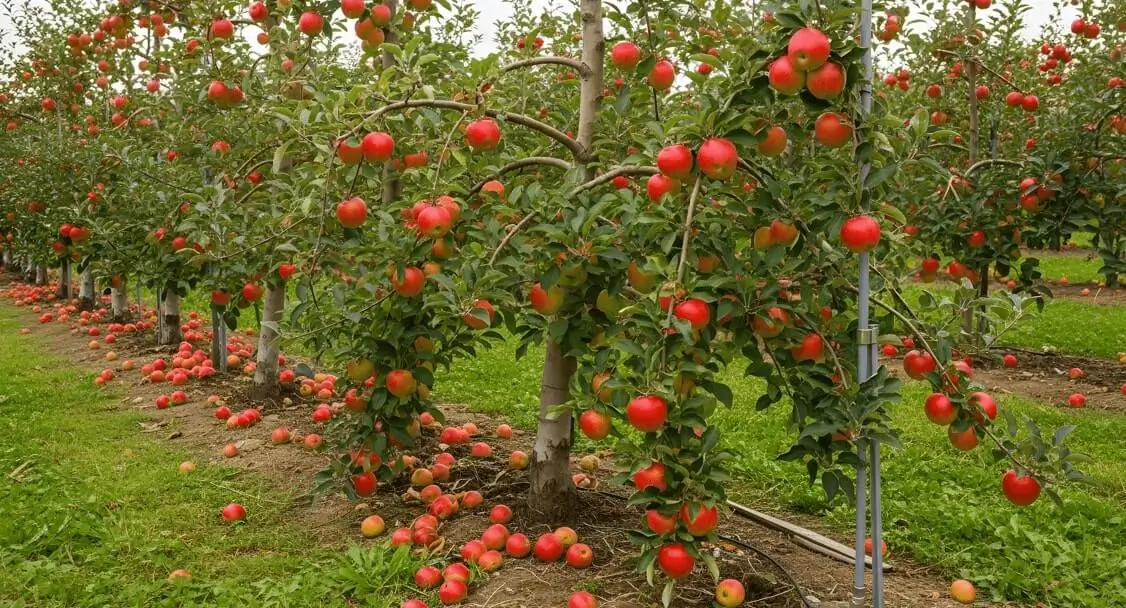
Growing fruit at home is possible even if you only have a balcony, patio, rooftop, or tiny backyard. Dwarf fruit trees are specially bred to stay compact while still producing delicious full-sized fruits. They are perfect for beginners who want easy-to-manage trees that fit into small spaces and containers.
In this beginner-friendly guide, you’ll learn everything about dwarf fruit trees for small spaces, including the best varieties, container tips, sunlight needs, watering, pruning, and how to keep your trees healthy and productive year-round.
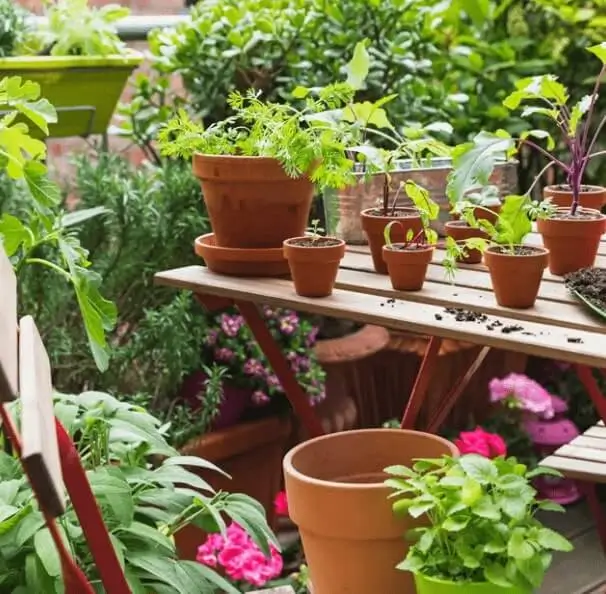
What Are Dwarf Fruit Trees?
Dwarf fruit trees are fruit-bearing trees that are intentionally kept small through grafting, selective breeding, or specific rootstocks. Unlike standard fruit trees, which can grow 20–30 feet tall, dwarf varieties typically stay between 6 and 10 feet tall, making them ideal for containers and confined areas.
How Dwarf Trees Stay Small
- Dwarfing rootstock limits overall size.
- A controlled growth habit focuses energy on fruit rather than on height.
- Pruning-friendly structure keeps maintenance simple.
Despite their smaller size, dwarf fruit trees produce normal-sized fruit with the same flavour and nutritional value as standard trees.
Why Dwarf Fruit Trees Are Perfect for Small Spaces
Growing fruit in a compact area comes with challenges, but dwarf trees solve many of them.
Key Benefits
- Suitable for balconies, patios, rooftops, and courtyards
- Easy to grow in containers
- Faster fruiting (often within 1–3 years)
- Easier pruning, harvesting, and pest control
- Can be moved to protect from frost or heat
For beginners, dwarf trees are one of the easiest entry points into container fruit gardening, especially when space is limited.
Best Dwarf Fruit Trees for Small Spaces
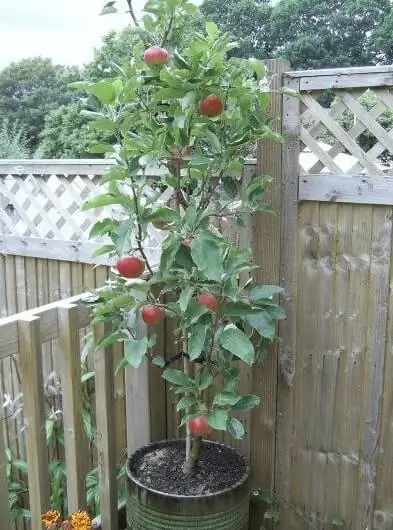
1. Dwarf Apple Trees
- Excellent for containers
- Many self-pollinating options
- Thrive in cooler climates.
Popular varieties: Gala, Fuji, Honeycrisp (dwarf forms)
2. Dwarf Citrus Trees
- Perfect for warm climates or indoor growing
- Highly ornamental and productive
Best choices: Lemon, lime, mandarin, calamondin
3. Dwarf Peach & Nectarine Trees
- Compact with beautiful spring blossoms
- Require regular pruning
Top picks: Bonanza Peach, Garden Gold Nectarine
4. Dwarf Fig Trees
- Very forgiving and beginner-friendly
- Excellent for hot, dry areas
Recommended: Little Miss Figgy, Petite Negra
5. Dwarf Cherry Trees
- Ideal for patios and small yards
- Some varieties are self-fertile.
How to Choose the Right Dwarf Fruit Tree
Before buying, consider these critical factors:
Space & Container Size
- Most dwarf trees need 15–25 gallon containers.
- Ensure good drainage holes.
Climate Compatibility
- Match tree variety to your USDA zone or local climate
- Citrus prefers warmth; apples need chill hours.
Pollination Needs
- Self-pollinating trees are easier to grow in small spaces.
- Some trees require a second variety nearby.
Step-by-Step: Planting Dwarf Fruit Trees in Containers
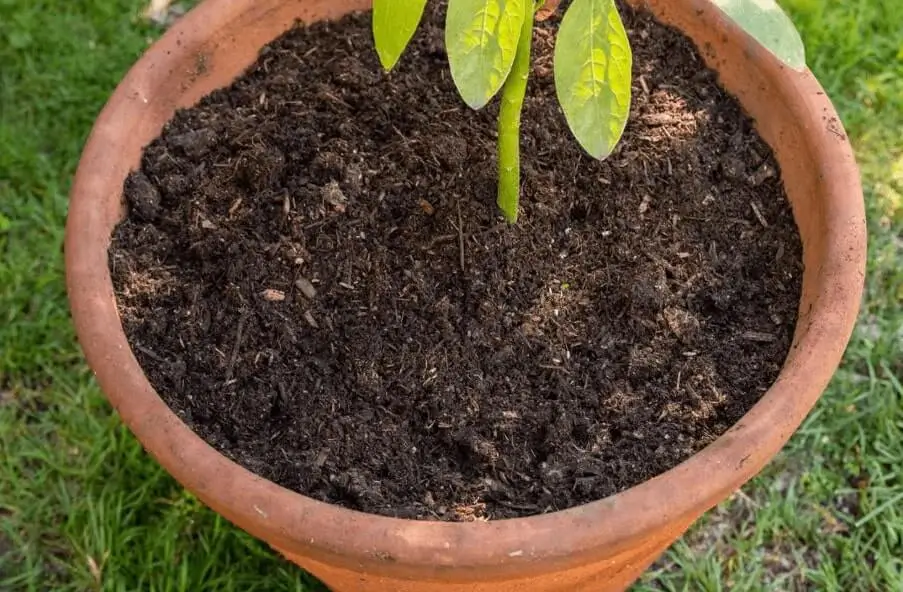
Step 1: Choose the Right Pot
- Use sturdy containers (ceramic, plastic, fabric)
- Minimum depth: 18–24 inches
Step 2: Use the Proper Soil Mix
Avoid garden soil. Use a well-draining mix designed for fruit trees. A guide to the best soil for fruit in pots can help you strike the ideal balance between drainage and nutrients.
Step 3: Plant at the Correct Depth
- Keep the graft union above soil level.
- Firm soil gently without compacting
Step 4: Water Thoroughly
Water deeply until excess drains from the bottom.
Watering & Feeding Dwarf Fruit Trees
Watering Best Practices
Container trees dry out faster than in-ground trees. Following a reliable watering schedule for potted fruit is essential to prevent stress and poor fruiting.
General rules:
- Water when the top 2 inches of soil feel dry
- Increase frequency in summer.
- Reduce watering in winter dormancy.
Fertilizing for Healthy Growth
Dwarf trees need regular feeding because nutrients leach out of containers. Follow a balanced fertilization plan for container-grown fruit trees to support flowering and fruit development.
Pruning & Training for Small Spaces
Pruning keeps dwarf fruit trees productive and compact.
When to Prune
- Late winter (most trees)
- Light summer pruning to control size
Simple Pruning Tips
- Remove dead or crossing branches.
- Maintain an open center.
- Keep height manageable for easy harvest.
Common Mistakes to Avoid
Many beginners struggle due to a few avoidable errors:
- Using containers that are too small
- Overwatering or poor drainage
- Skipping regular fertilization
- Ignoring pruning
- Choosing non-dwarf or mislabeled trees
Avoiding these mistakes dramatically increases success, especially in small-space setups.
Tips for Maximum Harvest in Small Spaces
- Place trees in full sun (6–8 hours daily)
- Rotate containers for even light exposure.
- Hand-pollinate flowers if pollinators are limited
- Protect roots from extreme heat or cold.
- Refresh soil every 2–3 years.
FAQ: Dwarf Fruit Trees for Small Spaces
1. Can dwarf fruit trees grow indoors?
Yes, especially citrus trees, as long as they receive enough sunlight or grow lights.
2. How long do dwarf fruit trees live?
With proper care, many can live 15–25 years in containers.
3. Do dwarf trees produce less fruit?
They produce fewer fruits than standard trees, but yields are still generous for home use.
4. How tall do dwarf fruit trees get?
Most range from 6 to 10 feet, depending on variety and pruning.
5. Are dwarf fruit trees good for beginners?
Absolutely. They are easier to manage, harvest, and maintain than full-size trees.
Conclusion: Start Growing Fruit, Even in Small Spaces
Dwarf fruit trees make it possible to grow fresh, delicious fruit almost anywhere. With the right variety, container, soil, and care routine, even the smallest balcony or patio can become a productive fruit garden.
If you’re ready to go further, explore more guides on GrowFruitly.com to master container growing, improve yields, and build a thriving small-space orchard—one dwarf tree at a time. 🌱🍎