
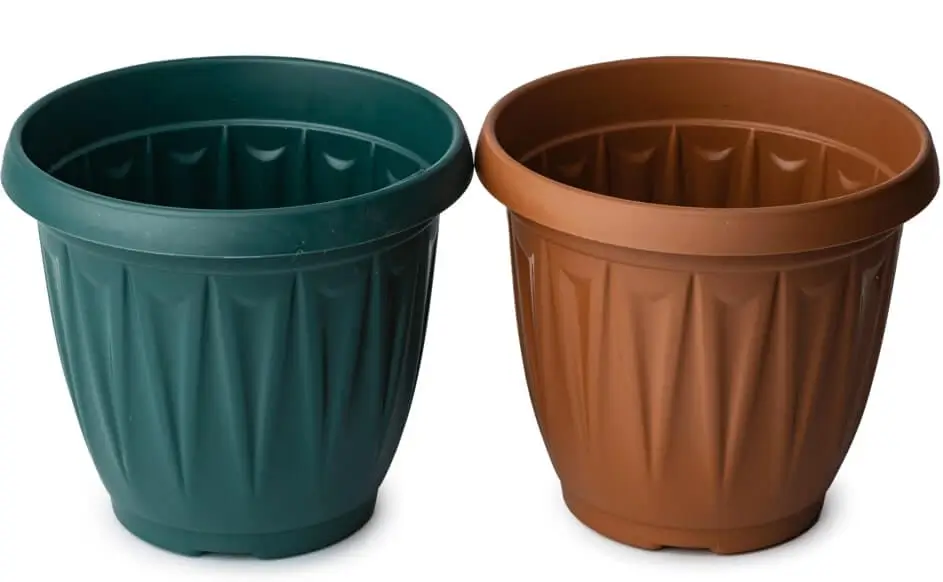
Growing fruit in an apartment is easier than ever when you choose the right lightweight pots. Heavy containers can make balcony gardening difficult, especially when moving plants for sunlight, cleaning, or seasonal protection. Lightweight pots provide a practical solution for apartment gardeners who want healthy fruit trees without the strain of bulky containers. From fabric grow bags to resin planters, modern lightweight options offer excellent drainage, portability, and style while helping fruit plants thrive in small spaces.
Why Lightweight Pots Matter for Apartment Fruit Gardening
Apartment gardening has unique limitations. Unlike backyard growers, apartment gardeners must think about structural safety, mobility, and space efficiency.
1. Balcony weight limits are real
Most balconies are designed to hold people, not dozens of heavy ceramic pots filled with wet soil. Lightweight containers dramatically reduce risk while still providing enough root space for fruit trees.
2. Mobility is essential
Fruit trees in containers often need to be:
- Moved for seasonal sunlight
- Protected from wind or frost
- Brought indoors during winter
Lightweight pots make this practical. If you struggle to move a container, it’s probably too heavy.
3. Better control over growing conditions
Lightweight pots warm up faster in spring and allow better root oxygenation when paired with the right soil mix—both crucial for fruiting success.
If you’re still deciding between containers and open ground, our guide on growing fruit in containers vs ground explains why pots are often the better choice for apartment growers.
What Makes a Pot Truly “Lightweight”?
Not all pots labelled lightweight are equal. When growing fruit, the container must balance low weight, durability, and root health.
Key features to look for:
- Thin but sturdy walls
- UV resistance (important for sunny balconies)
- Drainage holes (non-negotiable)
- Insulation against heat and cold
- Stability is once filled with soil.
Let’s break down the best materials.
Best Lightweight Pots for Apartment Gardening (Step-by-Step Guide)
1. Plastic Pots (Food-Grade & UV-Stabilized)
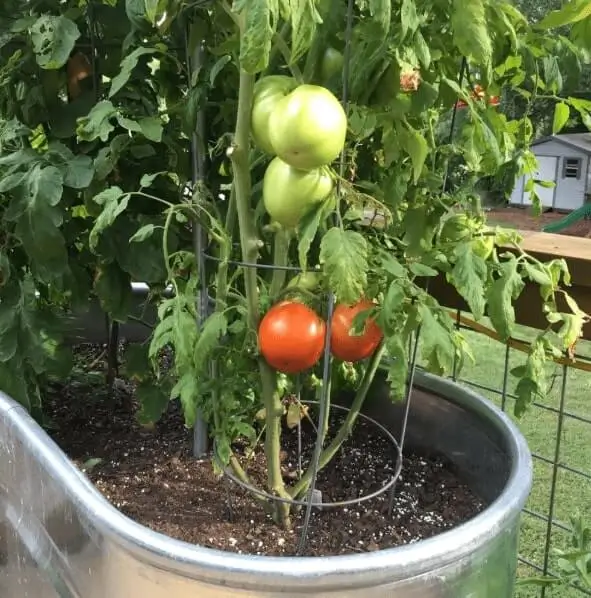
Best for: Beginners, citrus trees, berries, herbs
Pros
- Extremely lightweight
- Affordable and widely available
- Retain moisture well
Cons
- Can degrade if not UV-stabilized
- Less decorative without outer covers
Tips
- Choose light-colored plastic to prevent root overheating.
- Always check for multiple drainage holes.
Plastic containers are ideal if you’re just starting out or experimenting with your first fruit tree. Pair them with a high-quality potting mix and follow a proper watering schedule to avoid root problems in potted fruit plants.
2. Fabric Grow Bags
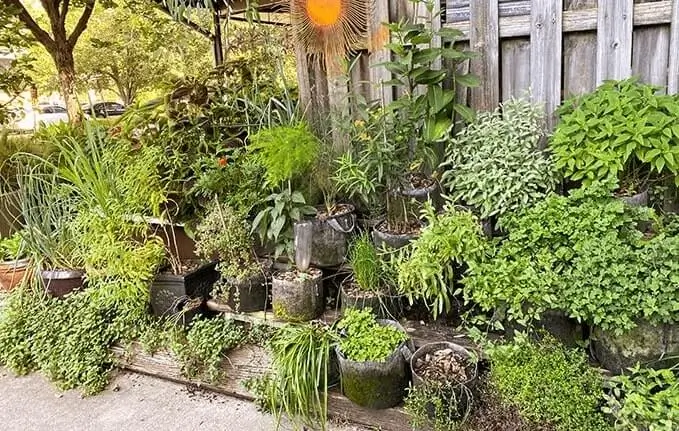
Best for: Figs, dwarf peaches, strawberries, blueberries
Pros
- Ultra-lightweight
- Excellent drainage and air pruning
- Foldable and easy to store
Cons
- Dry out faster
- Less wind stability on exposed balconies
Tips
- Use saucers or trays underneath.
- Increase watering frequency in summer.
Fabric pots are fantastic for growers who prioritize root health. They also address many of the common issues discussed in our guide to container fruit gardening mistakes to avoid.
3. Fibreglass Planters
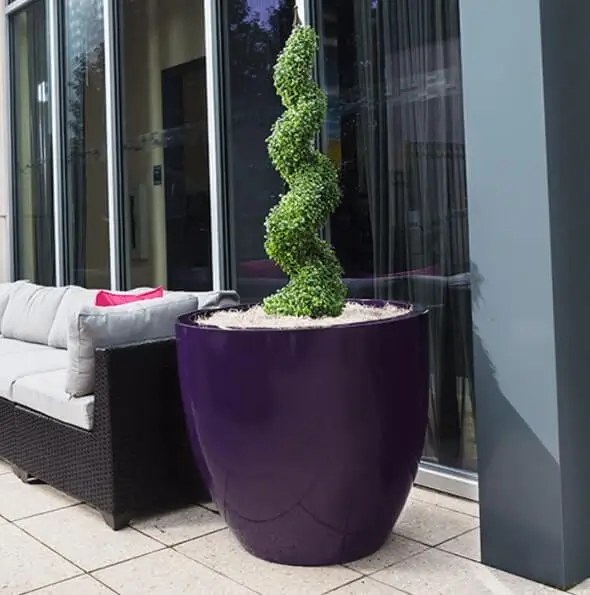
Best for: Long-term fruit trees, decorative balconies
Pros
- Very lightweight for their size
- Highly durable and weather-resistant
- Excellent insulation
Cons
- Higher cost
- Cheap versions may crack.
Tips
- Verify drainage before planting.
- Choose thicker fibreglass for stability.
Fibreglass is ideal if you want a permanent, stylish solution without the extreme weight of ceramic or concrete.
4. Resin and Poly-Composite Pots
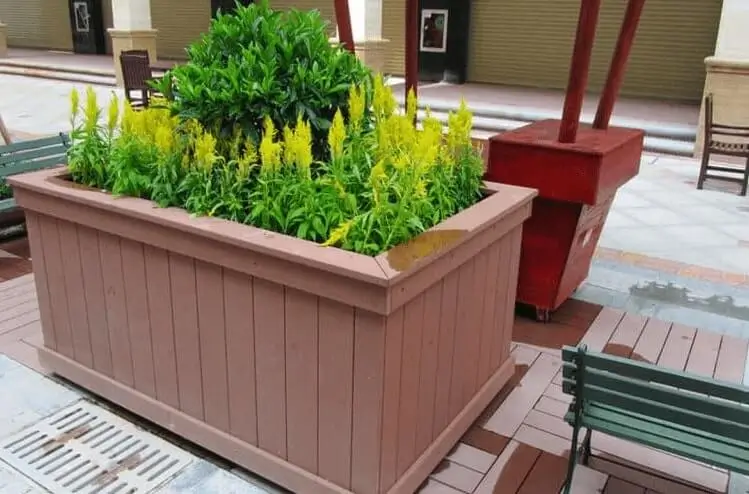
Best for: Dwarf apples, lemons, limes
Pros
- Lightweight but strong
- Mimic stone or clay appearance
- Good insulation
Cons
- It can trap heat in very hot climates.
Tips
- Elevate pots slightly to improve airflow.
- Avoid dark colours in full sun.
These pots combine aesthetics and practicality, making them popular for modern apartment gardens.
Choosing the Right Pot Size Without Adding Excess Weight
Lightweight doesn’t mean small. Fruit trees still need room for roots.
General size guidelines:
- Strawberries & berries: 10–12 inches
- Dwarf citrus & figs: 14–20 inches
- Semi-dwarf fruit trees: 20–24 inches
If your fruit tree grows slowly or stalls, the container size may be the issue. Learn more in our detailed guide on the slow growth of fruit trees in containers.
Soil Choices That Keep Containers Light
Soil weight matters as much as pot weight.
Use a lightweight fruit-friendly mix:
- 40% high-quality potting mix
- 30% coco coir or peat moss
- 20% perlite or pumice
- 10% compost
Avoid:
- Garden soil
- Sand-heavy mixes
- Clay-based soils
These not only add weight but also cause drainage problems.
Common Mistakes Beginners Make with Lightweight Pots
1. Choosing pots without drainage
No matter how light the pot is, poor drainage leads to root rot.
2. Using pots that are too small
Roots become cramped, leading to weak growth and fruit drop.
3. Ignoring wind exposure
Light pots can tip over. Use:
- Heavier soil at the bottom
- Pot feet or corner braces
- Windbreaks on open balconies
4. Overwatering lightweight containers
Especially common with plastic pots. Follow the plant’s needs, not a fixed schedule.
Tools & Accessories That Make Lightweight Pots Work Better
- Pot risers: Improve drainage and airflow
- Rolling plant caddies: Perfect for heavier fruit trees
- Self-watering inserts: Reduce watering mistakes
- Mulch (pine bark or straw): Helps retain moisture.
If you struggle with flower or fruit drop, check our in-depth article on why fruit trees don’t produce fruit in pots for troubleshooting tips.
FAQ: Lightweight Pots for Apartment Gardening
Are lightweight pots safe for balconies?
Yes, they are significantly safer than ceramic or concrete pots, especially when combined with lightweight soil mixes.
What is the best lightweight pot for fruit trees?
Fibreglass, resin, and fabric grow bags offer the best balance of weight, durability, and root health.
Do lightweight pots dry out faster?
Fabric pots do. Plastic and fibreglass retain moisture better, but all require proper watering habits.
Can I grow citrus in lightweight containers?
Absolutely. Dwarf lemons, limes, and oranges thrive in plastic, resin, or fibreglass pots.
How do I prevent lightweight pots from tipping?
Use wider containers, add weight at the base, and shield plants from strong winds.
Conclusion: The Smart Way to Grow Fruit in Apartments
Choosing the right lightweight pots for apartment gardening is one of the smartest decisions you can make as a small-space fruit grower. The right container protects your balcony, simplifies care, and gives your fruit trees the environment they need to thrive.
Start with durable, lightweight materials, match pot size to your fruit tree, and use a well-draining soil mix. Combine that with proper watering and sunlight management, and you’ll be harvesting fruit—even without a garden.
Next steps:
- Evaluate your balcony space and weight limits.
- Choose one lightweight container type.
- Plant a dwarf fruit tree and monitor growth.
Apartment fruit gardening is not only possible—it’s incredibly rewarding when done right. 🌱🍊