
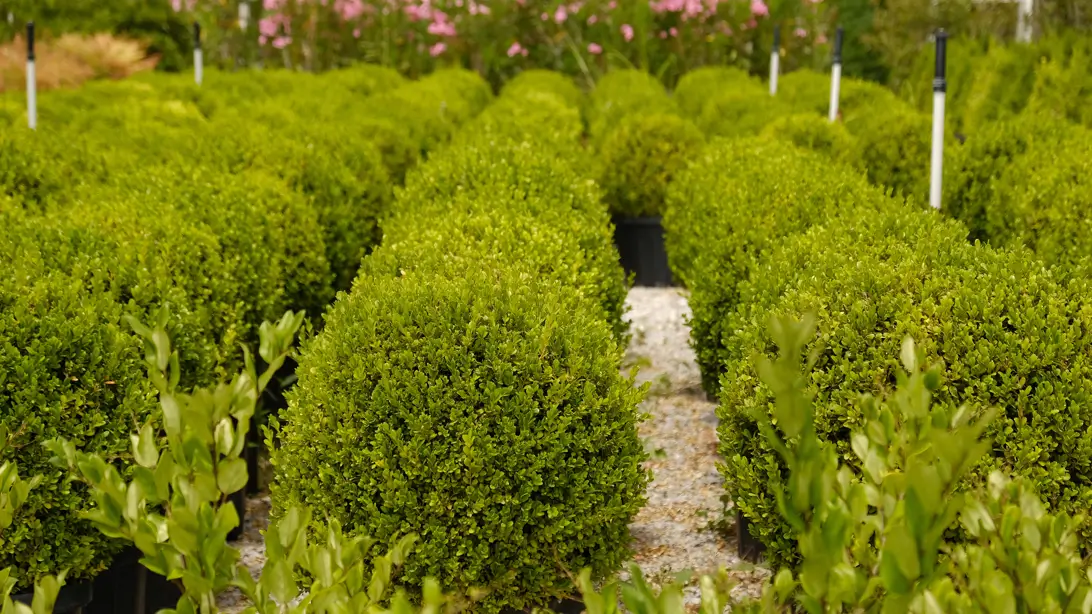
A front yard or small garden should look attractive throughout the year, not just during spring and summer. While many flowering plants provide seasonal beauty, evergreen shrubs offer something even more valuable: consistent color, structure, and interest in every season.
For gardeners working with limited space, choosing compact evergreen shrubs can make a huge difference. These plants stay relatively small, require less maintenance, and help create a polished landscape without overwhelming the area.
In this guide, you’ll discover some of the best small evergreen shrubs for front yards and small gardens, along with practical tips for selecting and caring for them.
Why Choose Small Evergreen Shrubs?
Evergreen shrubs keep their foliage year-round, making them a reliable foundation for any landscape design.
Benefits include:
- Year-round greenery
- Low maintenance compared to many flowering plants
- Improved curb appeal
- Natural structure in garden beds
- Privacy and screening in small spaces
- Reduced need for seasonal replanting
Many compact evergreen shrubs also grow slowly, which means less pruning and maintenance over time.
What Makes an Evergreen Shrub Ideal for Small Gardens?
Not every evergreen is suitable for limited spaces. Some varieties eventually become large trees or oversized shrubs.
Look for shrubs that offer:
- Mature heights under 6 feet
- Slow or moderate growth rates
- Dense foliage
- Adaptability to different soil conditions
- Resistance to common pests and diseases
- Attractive color throughout the year
Choosing the right plant from the beginning helps avoid future overcrowding and costly removals.
Boxwood: A Classic Front Yard Favorite
Why Gardeners Love Boxwood
Boxwood remains one of the most popular evergreen shrubs because of its tidy appearance and versatility.
Features:
- Dense green foliage
- Easy to shape
- Slow-growing habit
- Excellent for borders and foundation plantings
Best Uses
- Along walkways
- Around entryways
- Formal garden designs
- Small hedges
Most dwarf varieties stay compact and fit comfortably in smaller landscapes.
Dwarf Japanese Holly
A Boxwood Alternative
Dwarf Japanese holly offers a similar appearance to boxwood but can tolerate a wider range of conditions.
Benefits include:
- Small glossy leaves
- Dense growth habit
- Minimal pruning needs
- Year-round interest
Growing Tips
Plant in well-drained soil and provide regular watering during establishment. Once mature, it becomes relatively drought tolerant.
Dwarf Mugo Pine
Evergreen Texture for Small Spaces
If you want something different from traditional broadleaf shrubs, dwarf mugo pine is an excellent choice.
Characteristics:
- Compact growth
- Rich green needles
- Natural rounded shape
- Excellent cold tolerance
Landscaping Ideas
Use dwarf mugo pine as:
- A focal point
- A rock garden feature
- A foundation planting
- A border accent
Its unique texture adds variety to evergreen landscapes.
Inkberry Holly
Native Beauty with Year-Round Color
Inkberry holly is a reliable evergreen shrub known for its adaptability and attractive dark green foliage.
Advantages:
- Native to many regions
- Tolerates moist soil
- Maintains color throughout winter
- Requires little maintenance
Best Placement
Inkberry works well in:
- Front yard borders
- Mixed shrub beds
- Foundation plantings
- Small privacy screens
Choose dwarf varieties when space is limited.
Dwarf Alberta Spruce
A Natural Garden Accent
The dwarf Alberta spruce provides a distinctive conical shape that instantly adds visual interest.
Benefits include:
- Symmetrical growth
- Dense green needles
- Slow growth rate
- Minimal pruning
Ideal Uses
- Entryway containers
- Front porch accents
- Small garden focal points
- Formal landscaping
Because it grows slowly, it remains manageable for many years.
Compact Yew Varieties
Elegant and Versatile
Yews are among the most adaptable evergreen shrubs available.
Key features:
- Soft green needles
- Excellent shade tolerance
- Easy to shape
- Long lifespan
Where They Work Best
Compact yews perform well in:
- Foundation plantings
- Partial shade gardens
- Small hedges
- Mixed evergreen borders
They provide reliable structure throughout the year.
Dwarf Globe Arborvitae
Perfect for Low-Maintenance Landscapes
For gardeners who prefer a naturally rounded shrub, dwarf globe arborvitae is a strong choice.
Advantages:
- Naturally compact shape
- Minimal trimming required
- Bright green foliage
- Excellent cold hardiness
Front Yard Applications
Use these shrubs:
- Along pathways
- Around garden beds
- Near entrances
- As repeating landscape elements
Their uniform appearance creates a clean and organized design.
Heather and Heath Varieties
Evergreen Color Beyond Green
Some evergreen shrubs provide foliage colors beyond traditional green.
Heather and heath varieties may offer:
- Bronze winter tones
- Golden foliage
- Purple accents
- Seasonal flowers
Why They Work in Small Gardens
These plants typically remain compact and add color diversity without taking up much space.
Dwarf Rhododendrons
Evergreen Leaves with Seasonal Blooms
Many gardeners appreciate shrubs that provide both evergreen foliage and flowers.
Dwarf rhododendrons offer:
- Attractive year-round leaves
- Spring blooms
- Compact growth
- Excellent foundation planting potential
Growing Requirements
These shrubs prefer:
- Slightly acidic soil
- Consistent moisture
- Partial shade in warmer climates
Proper placement helps them thrive for many years.
Korean Boxwood
Tough and Reliable
Korean boxwood is often selected for its cold tolerance and compact growth.
Benefits:
- Dense foliage
- Slow growth
- Easy shaping
- Year-round greenery
It works particularly well in formal front yard landscapes where clean lines are desired.
Common Mistakes When Planting Evergreen Shrubs
Even the best shrubs can struggle if planted incorrectly.
Avoid these common mistakes:
Planting Too Close Together
Small shrubs eventually grow to their mature size. Overcrowding can lead to:
- Poor airflow
- Increased disease risk
- Excessive pruning requirements
Always check mature dimensions before planting.
Ignoring Sunlight Requirements
Different shrubs need different light conditions.
Some prefer:
- Full sun
- Partial shade
- Full shade
Placing plants in unsuitable locations often results in poor growth.
Overwatering
Many evergreen shrubs suffer from constantly wet soil.
Signs include:
- Yellowing foliage
- Root problems
- Reduced growth
Well-draining soil is essential.
Excessive Pruning
Many compact evergreen shrubs naturally maintain attractive shapes.
Avoid unnecessary trimming that can:
- Stress plants
- Create uneven growth
- Reduce natural beauty
How to Design a Small Garden with Evergreen Shrubs
Creating a balanced landscape is easier when you follow a few basic principles.
Mix Shapes and Textures
Combine:
- Rounded shrubs
- Upright shrubs
- Needle evergreens
- Broadleaf evergreens
This creates visual interest throughout the year.
Use Repetition
Repeating the same shrub several times creates a cohesive design and makes small spaces feel organized.
Leave Room for Growth
Avoid filling every available inch at planting time.
Allow space for:
- Future growth
- Air circulation
- Easier maintenance
Add Seasonal Interest
Pair evergreen shrubs with:
- Flowering perennials
- Ornamental grasses
- Container plants
This ensures year-round beauty.
Caring for Small Evergreen Shrubs
Most evergreen shrubs require relatively simple care.
Watering
Newly planted shrubs need consistent watering during their first growing season.
After establishment:
- Water during prolonged dry periods
- Avoid waterlogged soil
- Check moisture before irrigating
Mulching
Apply a layer of mulch around the base to:
- Retain moisture
- Reduce weeds
- Moderate soil temperatures
Keep mulch away from the trunk or stems.
Fertilizing
Many evergreen shrubs thrive with minimal feeding.
A balanced slow-release fertilizer applied in spring is often sufficient.
Monitoring for Problems
Regularly inspect shrubs for:
- Discolored foliage
- Dead branches
- Pest damage
- Disease symptoms
Early detection prevents larger issues.
Frequently Asked Questions
What is the best low-maintenance evergreen shrub for a front yard?
Boxwood, dwarf globe arborvitae, and dwarf mugo pine are among the easiest evergreen shrubs to maintain.
Which evergreen shrub stays the smallest?
Many dwarf boxwoods, compact hollies, and miniature arborvitae varieties remain under 3 feet tall for many years.
Can evergreen shrubs grow in containers?
Yes. Compact varieties such as boxwood, dwarf Alberta spruce, and dwarf arborvitae perform well in large containers.
Do evergreen shrubs need pruning?
Most compact varieties require very little pruning. Occasional shaping and removal of dead branches are usually enough.
Which evergreen shrub grows best in shade?
Yews and certain holly varieties are excellent choices for shaded gardens.
Conclusion
Small evergreen shrubs are among the most valuable plants for front yards and compact gardens. They provide dependable year-round color, structure, and beauty while requiring relatively little maintenance.
Popular choices such as boxwood, dwarf Japanese holly, dwarf mugo pine, inkberry holly, dwarf Alberta spruce, and compact arborvitae offer solutions for a wide range of garden styles and growing conditions.
When selecting evergreen shrubs, focus on mature size, growth rate, sunlight requirements, and overall landscape goals. With the right choices, even the smallest front yard can remain attractive and inviting throughout every season of the year.