
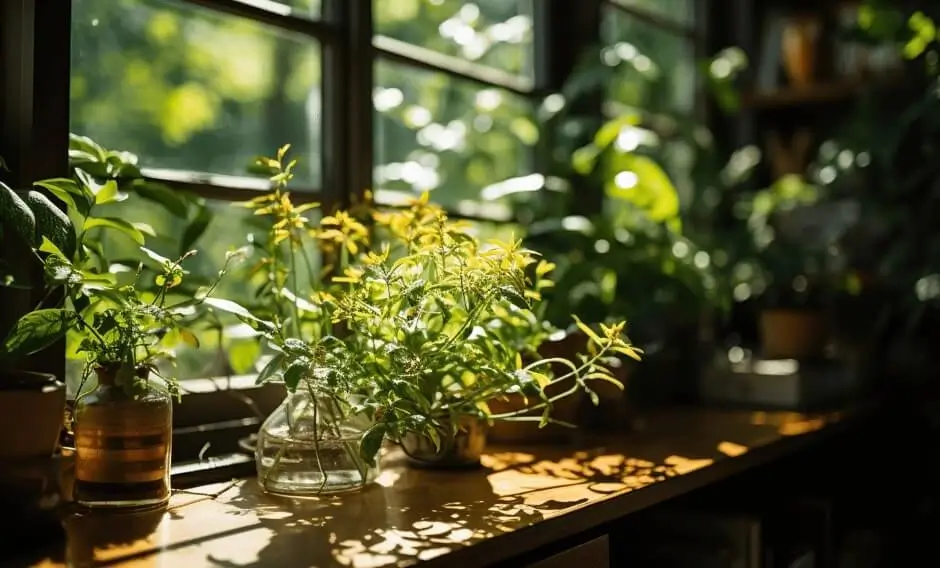
Growing fruit in containers is one of the best ways to enjoy fresh harvests even when you have limited outdoor space. Whether you live in an apartment, have a small balcony, or only a tiny patio, container fruit gardening makes it possible to grow healthy and productive plants almost anywhere. From strawberries and blueberries to dwarf citrus trees and figs, many fruits thrive beautifully in pots when given the right care.
This beginner-friendly guide explains everything you need to know about growing fruit in containers in small spaces, including choosing the right containers, selecting suitable fruit varieties, proper watering, sunlight needs, fertilizing, pruning, and tips for maximizing your harvest in compact urban areas.
 Why Growing Fruit in Containers Works So Well in Small Spaces
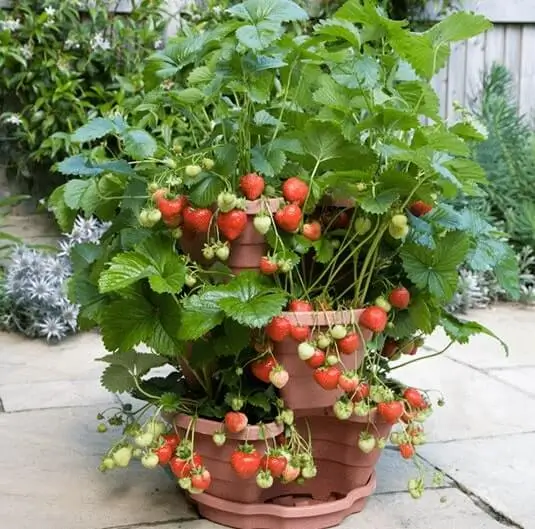 Why Growing Fruit in Containers Works So Well in Small Spaces
Key benefits of container fruit gardening
- Space efficiency: Ideal for balconies, patios, rooftops, and small yards
- Mobility: Move plants to follow the sunlight or protect them from the cold
- Better control: Easier management of soil quality, watering, and feeding
- Beginner-friendly: Fewer pests and diseases than in-ground growing
For anyone interested in container fruit gardening for beginners, containers provide flexibility and faster learning with less risk.
Best Fruits for Growing in Containers in Small Spaces
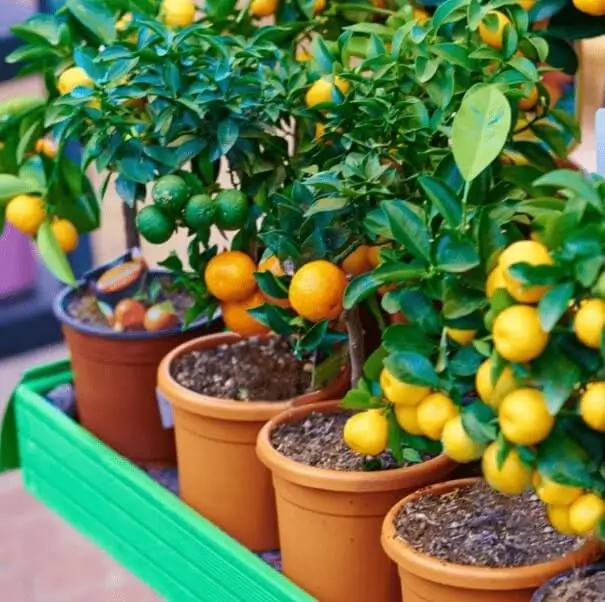
Not all fruit plants are suitable for pots. The key is choosing dwarf, compact, or naturally small fruiting plants.
Top fruit trees for containers
- Citrus (lemon, lime, calamondin) – Thrive in pots with full sun
- Fig trees – Adapt well to container life
- Dwarf apple and pear trees – Look for patio or columnar varieties
- Peach and nectarine (dwarf) – Productive with proper pruning
Small fruit plants are ideal for tight spaces.
- Strawberries (especially alpine and everbearing types)
- Blueberries (use acidic soil)
- Raspberries and blackberries (compact or thornless varieties)
- Grapes (trained vertically on a trellis)
👉 For soil preparation, choosing the best soil for fruit in pots is critical to healthy root growth and fruit production.
Choosing the Right Containers (Size Matters!)
The container is more than just a pot—it’s your plant’s entire root environment.
Container size guidelines
| Fruit Type | Minimum Container Size |
| Strawberries | 8–10 inches |
| Blueberries | 12–16 inches |
| Dwarf citrus | 16–20 inches |
| Dwarf fruit trees | 18–24 inches |
Best container materials
- Plastic: Lightweight and affordable
- Terracotta: Breathable but dries out faster
- Fabric grow bags: Excellent drainage and root health.
- Wooden planters: Great insulation (lined properly)
Always choose containers with drainage holes—this single factor prevents most beginner mistakes.
The Best Soil Mix for Container Fruit Plants
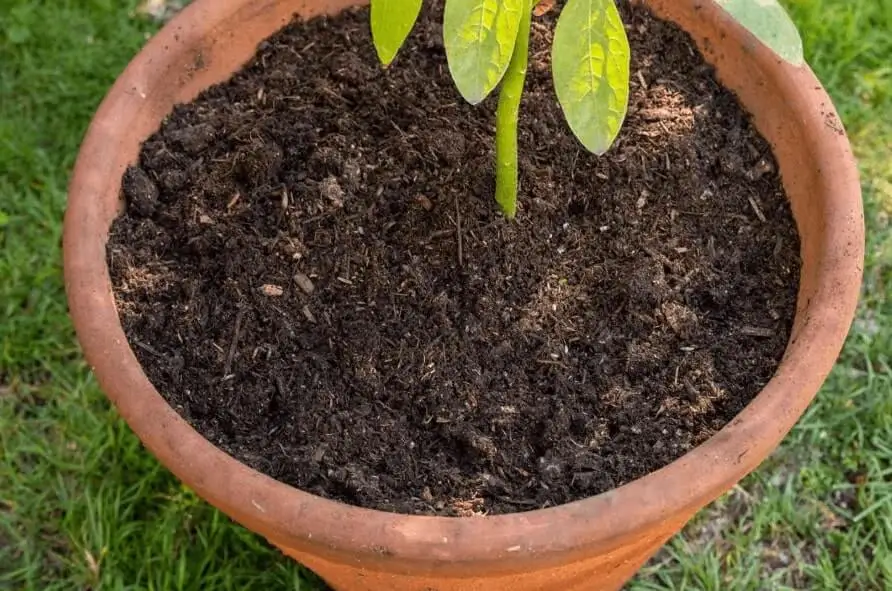
Garden soil is too heavy for pots. Instead, use a light, well-draining mix.
Ideal soil mix components
- High-quality potting soil
- Perlite or pumice for drainage
- Compost for nutrients
- Coco coir or peat moss for moisture retention
Healthy roots depend on airflow and drainage. That’s why following guidance on the best soil for fruit in pots dramatically improves success rates.
Sunlight Requirements for Container Fruit Gardening
Most fruiting plants need 6–8 hours of direct sunlight daily.
Tips for maximizing sunlight in small spaces
- Place containers near south-facing walls or railings
- Use wheeled plant stands to chase the sun.
- Grow vertically using trellises or columnar trees.
- Rotate pots weekly for even growth.
Without adequate sunlight, plants may grow but won’t produce fruit.
Watering Fruit Plants in Containers the Right Way
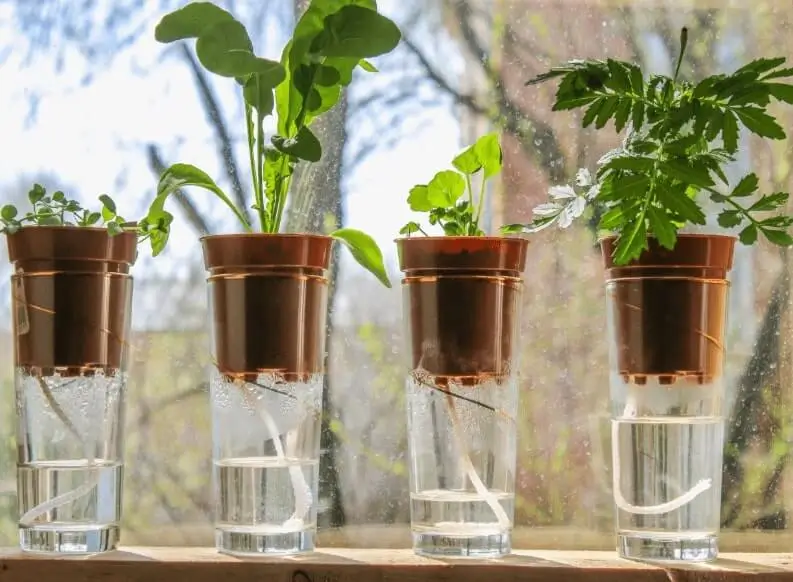
Watering is one of the most misunderstood parts of container gardening.
Key watering principles
- Containers dry out faster than ground soil.
- Water deeply until it drains from the bottom
- Check the moisture before watering again.
A consistent watering schedule for potted fruit prevents stress, blossom drop, and poor fruit quality. During hot weather, daily watering may be necessary.
Fertilizing Fruit Plants in Containers
Because nutrients wash out of pots quickly, feeding is essential.
Best fertilizing practices
- Use slow-release organic fertilizer at planting.
- Supplement with liquid fertilizer during active growth.
- Reduce feeding in winter for dormant plants.
Proper fertilizing of fruit trees in containers supports strong growth, flowering, and fruit set without overwhelming the plant.
Step-by-Step: How to Start Growing Fruit in Containers
Step 1: Choose the right fruit variety
Select dwarf or compact varieties suited to containers.
Step 2: Pick the correct container
Ensure proper size and drainage.
Step 3: Use high-quality potting soil
Avoid heavy garden soil.
Step 4: Place in full sun
6–8 hours minimum.
Step 5: Water and feed consistently
Adjust based on season and plant size.
Step 6: Prune regularly
Keeps plants compact and productive.
Common Mistakes to Avoid
❌ Using containers that are too small
Restricts root growth and fruiting.
❌ Overwatering or poor drainage
Leads to root rot.
❌ Ignoring sunlight needs
Results in weak growth and no fruit.
❌ Skipping fertilization
Causes nutrient deficiencies quickly in pots.
Avoiding these mistakes puts beginners far ahead of the learning curve.
Tips for Long-Term Success in Small Spaces
- Choose self-pollinating varieties when possible.
- Mulch the soil surface to retain moisture.
- Repot fruit trees every 2–3 years
- Protect containers from extreme heat or frost.
- Prune annually to maintain size.
For authoritative pruning techniques, consider linking out to a non-competing source such as a university extension gardening guide.
Frequently Asked Questions (FAQ)
Can fruit trees really grow in containers long-term?
Yes. With proper pruning, feeding, and repotting, dwarf fruit trees can thrive for many years in containers.
What is the easiest fruit to grow in pots?
Strawberries, figs, lemons, and blueberries are among the easiest for beginners.
How often should I water container fruit plants?
It depends on weather and pot size, but most need watering when the top inch of soil feels dry.
Do container fruit plants need pollination?
Some do. Many citrus and strawberries are self-pollinating, while others benefit from hand pollination.
Can I grow fruit indoors?
Some fruits, like dwarf citrus, can grow indoors with enough light, ideally from a sunny window or grow lights.
Conclusion: Small Space, Big Harvests 🌿
Growing fruit doesn’t require a large garden—just smart choices and consistent care. By selecting the right fruits, containers, soil, and maintenance routines, growing fruit in containers in small spaces becomes both practical and enjoyable.
If you’re ready to take the next step, explore more guides on GrowFruitly.com to master container fruit gardening and build a productive edible space—no matter how small. 🍓🍋