
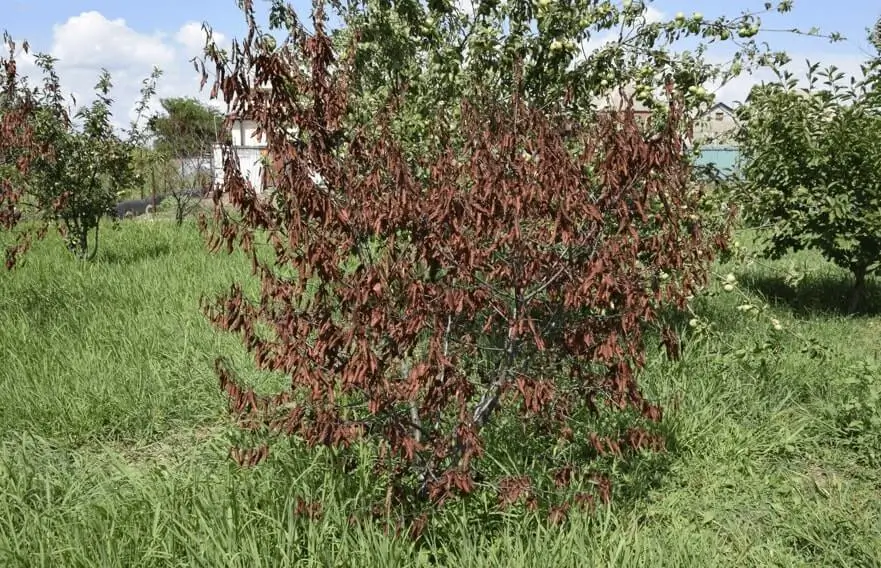
Burned leaves on fruit trees can be alarming, especially for container gardeners who carefully manage every detail. Those crispy edges, brown patches, or scorched-looking leaves often signal environmental stress rather than disease. From intense sun exposure to improper watering or fertilizer issues, leaf burn is a common yet fixable problem. Understanding the root cause is the key to restoring your tree’s health and preventing long-term damage.
Why Leaf Burn Matters for Container Fruit Gardening
Fruit trees in containers are more vulnerable to environmental and cultural stresses than those planted in the ground. Unlike in-ground trees, container plants:
- Have limited root volume, causing quicker moisture and nutrient fluctuations.
- Heat up faster in hot weather and dry out quicker between waterings.
- Rely entirely on you for watering, soil quality, and fertilizer.
When leaves turn brown, scorched, or “burned,” it often indicates too much light, improper watering, or nutrient imbalance — all of which directly affect plant health and fruit production. In extreme cases, leaf burn can weaken trees so severely they fail to flower or fruit properly, or suffer further problems like root rot or pest infestations. Understanding this issue helps you act before your harvest is compromised.
Common Causes of Burned Leaves on Container Fruit Trees
1. Sun and Heat Stress
Container fruit trees often sit in full sun — which is great for flowering and fruiting — but intense midday heat and reflected light from walls, patios, or decks can scorch leaves. Unlike ground soil, potting mixes heat up quickly and offer little insulation, exposing roots and foliage to thermal stress.
2. Under- or Over-Watering
Inconsistent moisture is one of the top reasons leaves show brown, dry edges. Too little water → dehydration and scorching; too much water → roots can’t function properly and the tree shows stress symptoms including brown leaf tips. Beginners often struggle with this balance because containers dry out faster than garden beds. A consistent approach — based on monitoring soil moisture — is the right way to go. For watering basics and scheduling, our complete guide to watering potted fruit trees offers exact steps to find the right rhythm. (growfruitly.com)
3. Fertilizer/Nutrient Imbalances
High salt build-up or too much fertilizer — especially synthetic, fast-release types — can “burn” roots and show up as crispy leaf edges. Small containers make this problem worse because there’s less soil to dilute salts.
4. Poor Soil & Drainage
If your potting mix holds too much water or compacts over time, roots struggle to breathe. Poor soil conditions eventually stress the tree, leading to leaf scorch, reduced fruit production, and overall decline. Choosing the right mix — like the one outlined in our guide to the best soil for potted fruit trees — is crucial. (growfruitly.com)
Step-by-Step Solutions to Fix Leaf Burn
Step 1: Inspect and Identify the Type of Burn
Look closely to determine whether the burn is caused by:
- Sun/heat: brown, dry edges especially on outer leaves.
- Water stress: whole leaf wilting before browning.
- Salt/nutrient injury: tips and edges brown while center stays green.
Step 2: Adjust Watering Practices
Use the feel, squeeze, look method to check soil moisture before watering:
- Stick your finger 2–3 inches into the soil.
- If dry, water thoroughly until it drains.
- If wet, wait and check daily rather than watering immediately.
Regular watering routines help stabilize leaf health. A watering schedule specifically for potted fruit trees can save you guesswork and root stress. (growfruitly.com)
Step 3: Provide Shade During Peak Heat
Avoid harsh midday sun for sensitive varieties. Use shade cloth in summer or relocate containers to a partially shaded area — especially for citrus or young trees.
Step 4: Feed Carefully
Switch to a balanced, slow-release fertilizer designed for fruit trees. Follow label directions to avoid overfeeding. Flush salt build-up from soil by running water through the pot occasionally.
Step 5: Improve Soil Quality
If your mix is old or compacted, repot your tree into a fresh blend that drains well but still holds moisture. Quality container soil is one of the simplest ways to reduce stress and leaf damage.
Common Mistakes Beginners Make
Understanding what not to do is as important as knowing what to do.
Mistake #1: Watering by Schedule Instead of Soil Condition
Watering on a rigid schedule may lead to over- or under-watering. Instead, check the soil before each watering session.
Mistake #2: Choosing Containers Without Proper Drainage
Without drainage holes, excess water cannot escape, leading to stressed roots and leaf burn. Always choose pots with reliable drainage.
Mistake #3: Ignoring Soil Quality
Garden soil or heavy mixes don’t work well in containers — they suffocate roots and retain too much water. Our guide on ideal container soil explains what works best. (growfruitly.com)
Mistake #4: Exposing Young Trees to Extreme Sun Without Acclimation
Gradually introduce new trees to full sun over several days, especially during hot months.
Tools, Container, and Care Tips to Prevent Leaf Burn
- Use quality containers with drainage and light-reflective finishes to reduce heat absorption.
- Choose the right soil mix that strikes a balance between water retention and aeration.
- Apply mulch on top of soil to stabilize moisture levels and reduce temperature swings.
- Install self-watering systems for consistent moisture without daily fuss.
- Move containers seasonally — cooler spots in summer, sheltered spots in cold or wind — to reduce plant stress.
These care strategies build a resilient environment that minimizes leaf burn and supports stronger growth year-round.
FAQ: Fruit Trees With Burned Leaves
Q1: Why are only the leaf edges turning brown?
Brown edges typically point to water stress or salt build-up in the soil. Check moisture levels and flush the container with water to leach excess salts.
Q2: Can leaf burn recover on its own?
New healthy growth is possible once stress is fixed, but damaged leaves won’t turn green again. You can trim burned leaves to improve appearance and signal new growth.
Q3: Does leaf burn affect fruit quality?
Yes — stress that shows as leaf burn often reduces flowering and fruit size unless corrected early.
Q4: How often should I fertilize potted fruit trees?
Use a balanced fruit tree fertilizer during the growing season, cut back in dormancy. Avoid over-application, which can worsen leaf burn.
Q5: Can extreme wind cause burned leaves?
Wind doesn’t literally burn leaves, but it increases transpiration and dryness, which leads to symptoms similar to leaf scorch.
Q6: Should I repot a tree with burned leaves?
If root bound, in compacted soil, or showing slow growth, repotting into quality soil can dramatically improve recovery.
Conclusion: From Leaf Burn to Leafy Growth
Leaf burn on container fruit trees is a sign of stress — not the end of the plant’s story. With the right approach — diagnosing the cause, adjusting watering and light, improving soil quality, and using appropriate containers — you can reverse stress and restore healthy growth. Start by checking your soil moisture and container setup today, then apply the watering, feeding, and care strategies outlined above.
Your next step: assess container conditions and update your soil mix if needed to keep your fruit trees thriving with lush, unburned leaves all season long.