

Growing citrus trees in containers is one of the best ways to enjoy fresh lemons, oranges, limes, and mandarins even if you have limited gardening space. Whether you have a balcony, patio, rooftop, or small backyard, container citrus gardening allows you to grow healthy and productive trees with proper care and planning. This beginner-friendly guide explains how to plant citrus trees in containers step by step, including the best pots, soil, watering tips, sunlight requirements, and common mistakes to avoid.
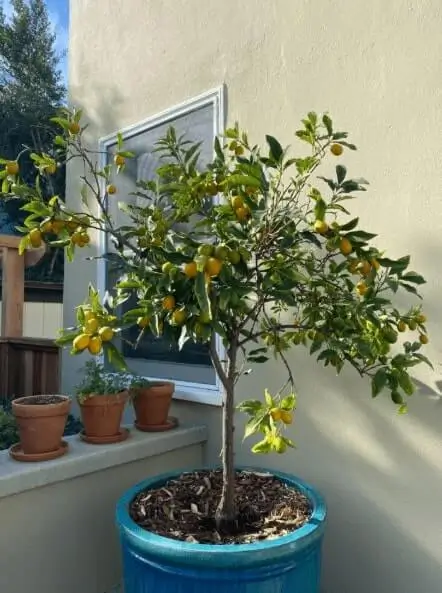
Why Grow Citrus Trees in Containers?
Container-grown citrus trees offer flexibility and control that in-ground planting simply can’t match.
Key Benefits of Container Citrus Gardening
- Ideal for small spaces like balconies, patios, and rooftops
- Portable—move plants indoors during cold weather.
- Better soil control, reducing disease and drainage issues
- Beginner-friendly, with easier watering and fertilizing
If you’re new to container fruit growing, this approach fits perfectly with container fruit gardening for beginners, allowing you to learn while minimizing risk.
Choosing the Right Citrus Tree for Containers
Not all citrus trees are equally suited for pots. Size, root behaviour, and growth rate matter.
Best Citrus Types for Containers
Look for dwarf or semi-dwarf varieties, which are grafted to stay compact:
- Lemon (especially dwarf types)
- Lime
- Mandarin / Clementine
- Calamondin orange
- Kumquat
What to Look for When Buying
Choose a healthy nursery plant with:
- Glossy, deep-green leaves
- No visible pests or sticky residue
- Strong central stem and balanced shape
Avoid tall, leggy plants—they struggle to establish in containers.
Selecting the Best Container for Citrus Trees
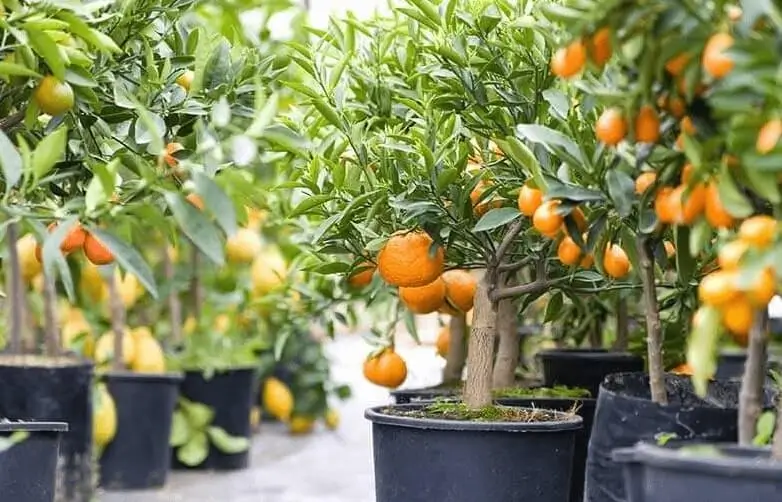
The container you choose directly affects root health and fruit production.
Ideal Container Size
- Minimum size: 12–14 inches wide for young trees
- Long-term size: 18–24 inches wide as the tree matures
Always choose a pot slightly larger than the root ball, not oversized.
Best Container Materials
| Material | Pros | Cons |
| Plastic | Lightweight, affordable | Less breathable |
| Terracotta | Breathable, classic look | Dries out faster |
| Fabric pots | Excellent drainage | Less durable |
| Ceramic (glazed) | Attractive, sturdy | Heavy, expensive |
Drainage Is Non-Negotiable
Your pot must have drainage holes. Citrus trees hate soggy roots, and poor drainage is one of the fastest ways to kill them.
Best Soil for Planting Citrus Trees in Containers
Healthy soil is the foundation of success.
Soil Requirements for Citrus Trees
Citrus trees need soil that is:
- Well-draining
- Slightly acidic (pH 5.5–6.5)
- Rich in organic matter
Using the best soil for fruit in pots helps prevent root rot and nutrient deficiencies.
Recommended Potting Mix
Avoid garden soil—it tends to compact in containers. Instead, use:
- High-quality citrus or fruit tree potting mix
- Or a blend of:
- Potting soil
- Perlite or pumice
- Aged compost or bark fines
This combination ensures airflow, drainage, and steady nutrition.
How to Plant Citrus Trees in Containers (Step-by-Step)
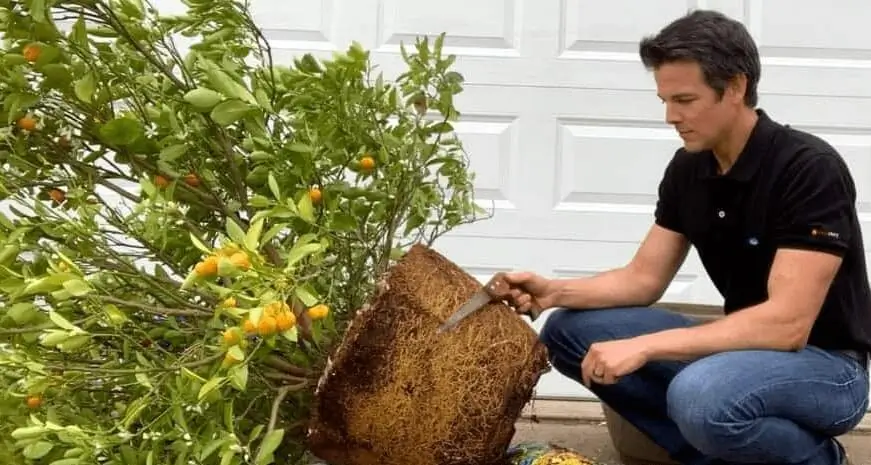
Step 1: Prepare the Container
- Clean the pot thoroughly.
- Cover drainage holes with mesh or pottery shards
- Add a thin layer of potting mix at the bottom.
Step 2: Remove the Tree from Its Nursery Pot
- Gently loosen the sides.
- Slide the root ball out carefully.
- Tease circling roots lightly—don’t cut aggressively.
Step 3: Position the Tree Correctly
- Place the tree so the root flare sits slightly above soil level.
- Never bury the graft union.
Step 4: Backfill with Soil
- Fill around the root ball.
- Press lightly to remove air pockets.
- Leave 1–2 inches of space at the top for watering.
Step 5: Water Thoroughly
- Water until it drains from the bottom
- This helps soil settle around the roots.
Best Placement After Planting
Sunlight is critical for citrus success.
Light Requirements
- 6–8 hours of direct sunlight daily
- South- or west-facing locations work best.
If sunlight is limited, fruiting may be reduced.
Temperature Considerations
- Ideal range: 65–85°F (18–29°C)
- Protect from frost below 40°F (4°C)
- Move containers indoors during winter if needed.
Watering Newly Planted Citrus Trees
Overwatering is one of the most common beginner mistakes.
Watering Guidelines
- Water deeply, then allow the top 2 inches of soil to dry.
- Never leave pots standing in water.
- Adjust frequency with seasons.
Following a proper watering schedule for potted fruit helps prevent root rot and leaf drop.
Fertilizing After Planting
Citrus trees are heavy feeders, especially in containers.
When to Start Fertilizing
- Wait 3–4 weeks after planting.
- Begin during active growth (spring to early fall)
Best Fertilizer Type
Use a citrus-specific fertilizer that includes:
- Nitrogen for leaf growth
- Magnesium and iron for green leaves
Consistent feeding supports healthy roots and fruiting, similar to best practices for fertilizing fruit trees in containers.
Common Mistakes to Avoid
Avoid these pitfalls to ensure success:
- ❌ Using garden soil in pots
- ❌ Planting too deeply
- ❌ Oversized containers for young trees
- ❌ Poor drainage or blocked holes
- ❌ Overwatering “on a schedule.”
Small mistakes early on can lead to long-term problems.
Tips for Long-Term Success
- Rotate the pot monthly for even growth.
- Mulch lightly to retain moisture
- Prune lightly to maintain shape.
- Watch for pests like aphids and spider mites.
Consistency beats perfection when growing citrus in containers.
Frequently Asked Questions (FAQ)
Can citrus trees really produce fruit in containers?
Yes. With proper sunlight, nutrition, and watering, container citrus trees can produce excellent fruit—even indoors part of the year.
How long after planting will citrus trees bear fruit?
Most grafted citrus trees produce fruit within 1–3 years after planting.
Do citrus trees need repotting?
Yes. Repot every 2–3 years or when roots circle heavily, gradually increasing pot size.
Can I grow citrus indoors year-round?
Yes, but only with very bright light or supplemental grow lights. Outdoor sun is still best when possible.
Should I prune citrus trees in containers?
Light pruning is recommended to maintain size and remove dead or crossing branches.
Conclusion: Start Growing Citrus with Confidence
Learning how to plant citrus trees in containers opens the door to fresh, homegrown fruit—even in small spaces. With the right pot, well-draining soil, proper planting technique, and consistent care, citrus trees thrive in containers for many years.
If you’re ready to take the next step, explore more beginner-friendly guides on GrowFruitly.com to build confidence and grow a productive container fruit garden—one pot at a time 🌱🍋