
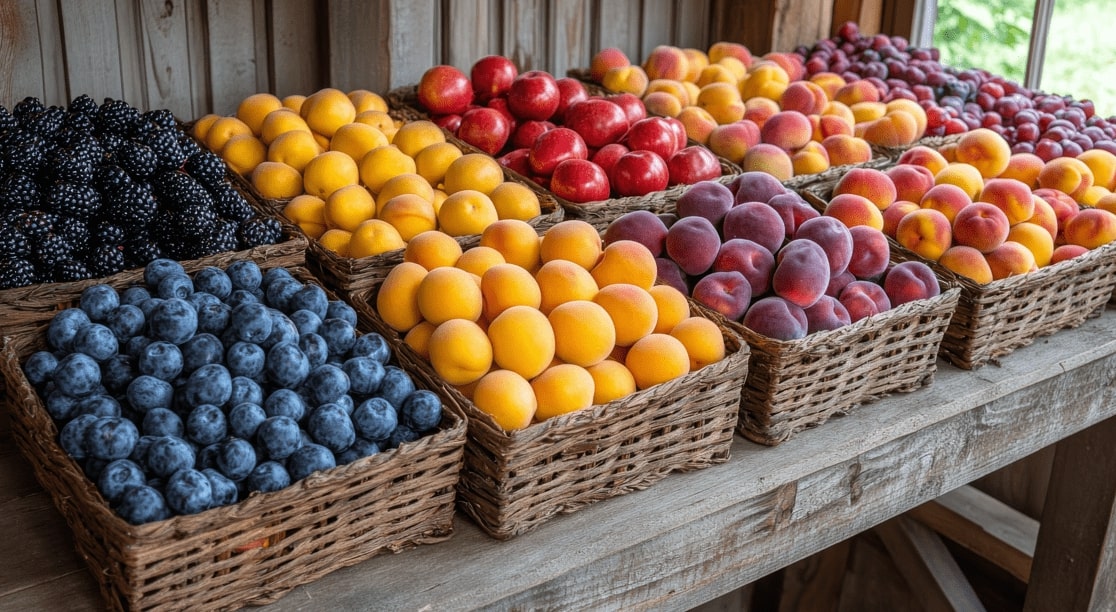
Growing fruit at home is possible even if you only have a balcony, patio, rooftop, or tiny backyard. Many fruit plants thrive in containers and compact spaces, making urban gardening easier than ever for beginners. From dwarf citrus trees to strawberries and blueberries, small-space fruit gardening allows you to enjoy fresh harvests without needing a large garden. In this guide, you’ll discover the best fruits for small spaces, how to grow them successfully in containers, and simple tips to maximize your harvest in limited areas.
What Makes a Fruit Suitable for Small Spaces?
Not all fruit plants behave the same way. Some naturally stay compact, while others grow aggressively unless controlled.
The best fruits for small spaces usually share these traits:
- Compact or dwarf growth habit
- Shallow or adaptable root systems
- High productivity relative to plant size
- Strong performance in containers
- Easy pruning and training
Many of these fruits have been selectively bred or naturally evolved to thrive in pots and confined areas.
If you’re new to this style of growing, learning the basics of container fruit gardening for beginners will help you understand how plant size, pot choice, and care routines all work together for success.
Best Fruits for Small Spaces (Top Choices)
Dwarf Fruit Trees (Big Flavour, Small Footprint)
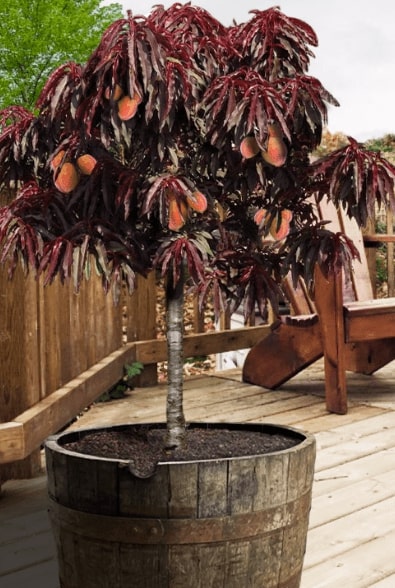
Dwarf fruit trees are grafted to stay small while producing full-size fruit. They are ideal for patios, balconies, and sunny corners.
Top dwarf tree options:
- Dwarf lemon and lime
- Dwarf apple
- Dwarf peach or nectarine
- Dwarf fig
Why they work:
- Reach only 6–10 feet tall.
- Thrive in large containers.
- Long lifespan and reliable harvests
Best practice:
Choose pots with a capacity of at least 15–20 gallons and ensure excellent drainage. Consistent care, including a proper watering schedule for potted fruit, prevents stress and fruit drop.
Choose pots with a capacity of at least 15–20 gallons and ensure excellent drainage. Consistent care, including a proper watering schedule for potted fruit, prevents stress and fruit drop.
Berry Plants (Maximum Yield in Minimal Space)
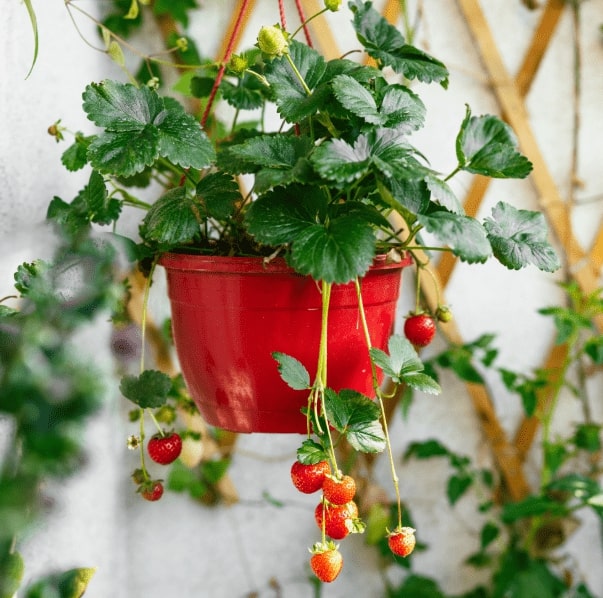
Berries are among the easiest and most productive fruits for small spaces.
Best berries for containers:
- Strawberries (perfect for hanging baskets)
- Blueberries (compact varieties)
- Raspberries (dwarf or bush types)
- Blackberries (thornless patio cultivars)
Why they’re ideal:
- Shallow roots
- Fast fruiting
- Grow well in vertical or stacked systems.
Tip:
Blueberries need acidic growing media, so choosing the best soil for fruit in pots is critical for healthy plants and sweet harvests.
Blueberries need acidic growing media, so choosing the best soil for fruit in pots is critical for healthy plants and sweet harvests.
Citrus Fruits for Balconies and Patios
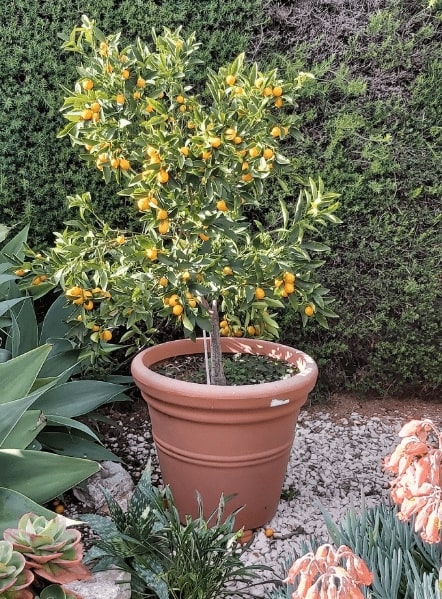
Citrus trees naturally adapt well to containers and small environments.
Best citrus for small spaces:
- Calamondin orange
- Kumquat
- Dwarf lime
- Dwarf mandarin
Benefits:
- Evergreen foliage
- Fragrant blossoms
- Decorative and edible
Citrus trees need steady nutrition, so following proper routines for fertilizing fruit trees in containers will keep leaves green and fruit production high.
Vine Fruits You Can Grow Vertically
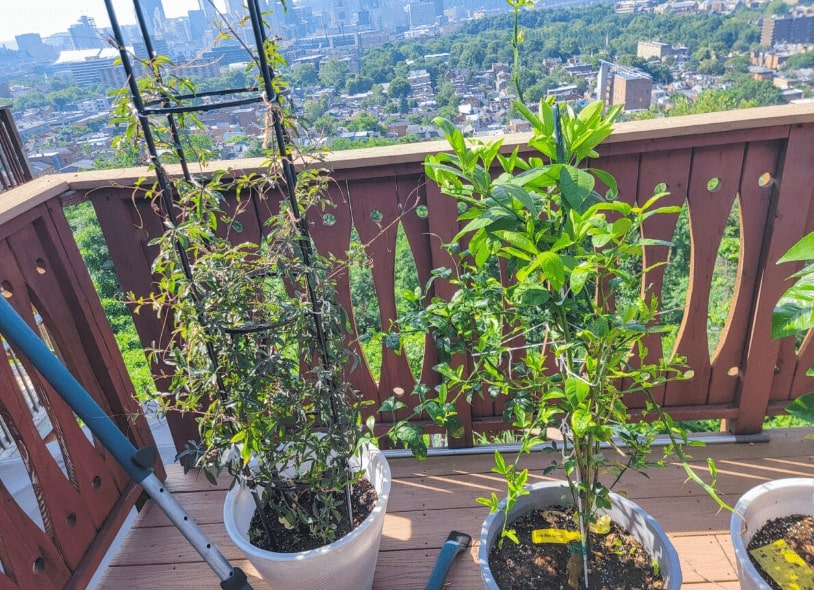
If your floor space is limited, think upward.
Best vertical fruits:
- Grapes
- Passion fruit
- Hardy kiwi (compact varieties)
Why vines are space-smart:
- Grow vertically on trellises.
- Use walls, fences, or railings.
- High yield per square foot
Just make sure containers are heavy and stable to support mature vines.
Compact Tropical Fruits for Containers
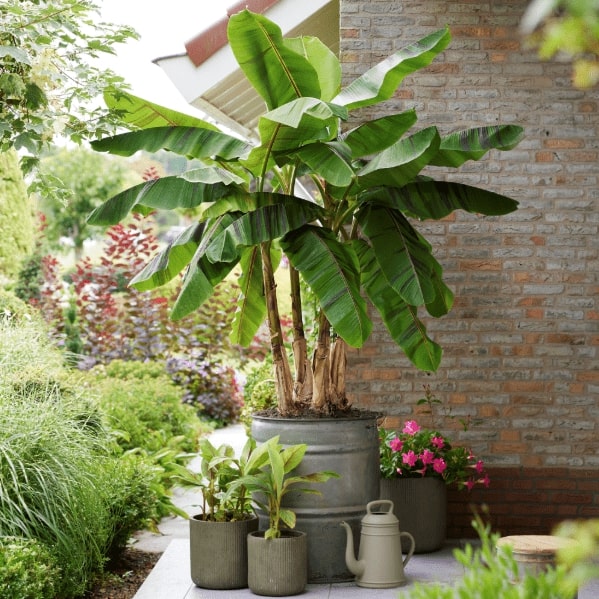
In warm climates or indoors, tropical fruits can thrive in pots.
Great options include:
- Dwarf banana
- Pineapple
- Papaya (short varieties)
Key considerations:
- Bright light
- Warm temperatures
- Regular feeding
These fruits are especially rewarding for gardeners who want something unique without needing large garden beds.
Step-by-Step: How to Grow Fruit Successfully in Small Spaces
Step 1: Choose the Right Container Size
- Match pot size to mature plant size
- Avoid undersized containers
- Ensure multiple drainage holes.
Step 2: Use High-Quality Growing Medium
- Lightweight, well-draining soil
- Avoid garden soil in pots.
- Amend for specific fruit needs.
Step 3: Place Plants Strategically
- Most fruits need 6–8 hours of sun.
- South- or west-facing locations are ideal.
- Rotate containers for even growth.
Step 4: Water Consistently
- Water deeply, not frequently
- Avoid waterlogged roots
- Adjust frequency with seasons.
Following a proven watering schedule for potted fruit helps prevent stress and improve fruit quality.
Step 5: Feed Regularly
- Use fruit-specific fertilizers
- Apply during active growth.
- Reduce feeding in winter.
Best Practices for Small-Space Fruit Gardening
- Prune regularly to control size.
- Mulch containers to retain moisture
- Monitor for pests early.
- Repot every 2–3 years if needed.
- Protect containers from extreme heat or frost.
These habits significantly extend plant life and productivity.
Common Mistakes to Avoid
- Choosing full-size trees instead of dwarf varieties
- Overwatering due to poor drainage
- Ignoring nutrient deficiencies
- Placing fruit plants in low-light areas
- Skipping pruning entirely
Most failures in small-space gardening stem from mismatches in containers or care, not from a lack of space.
Tips for Maximizing Yield in Small Areas
- Grow vertically whenever possible.
- Combine fruits with similar needs.
- Use reflective surfaces to increase light.
- Hand-pollinate indoor or balcony plants
- Track watering and feeding routines
Even a single balcony can yield surprising harvests with the right approach.
Frequently Asked Questions (FAQ)
What are the easiest fruits to grow in small spaces?
Strawberries, dwarf citrus, figs, and blueberries are among the easiest and most forgiving.
Can fruit trees really grow in pots long-term?
Yes. With proper pruning, feeding, and repotting, many dwarf fruit trees thrive in containers for years.
How much sunlight do container fruits need?
Most fruits require at least 6 hours of direct sunlight daily. Some berries tolerate partial shade.
Do I need special fertilizer for fruit in containers?
Yes. Container-grown fruits depend entirely on you for nutrients, making proper fertilization essential.
Can I grow fruit indoors?
Some fruits, like citrus and strawberries, can be grown indoors with sufficient light or with grow lights.
Conclusion: Small Space, Big Harvests
You don’t need a backyard orchard to enjoy fresh fruit. By choosing the best fruits for small spaces, using the right containers, and following proven care practices, even the smallest balcony or patio can become a productive fruit garden.
Start with one or two compact fruits, master the basics, and expand as your confidence grows. For more guidance, explore GrowFruitly’s in-depth resources on container fruit care and take the next step toward harvesting your own fresh, homegrown fruit—no matter how limited your space may be. 🌱🍓