
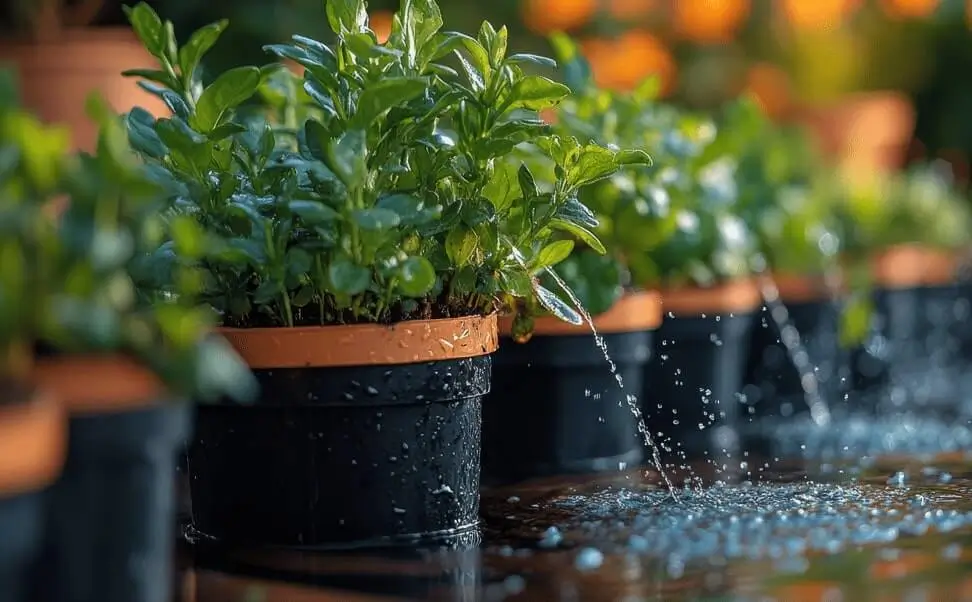
Watering issues are one of the most common reasons container fruit plants struggle, especially in small pots where soil dries out quickly or becomes waterlogged just as fast. Finding the right balance can be challenging, but it’s essential for healthy roots, strong growth, and consistent fruit production. In this complete guide, you’ll learn how to identify watering problems in small pots and discover practical solutions to keep your container fruit plants thriving.
Why Watering Problems in Small Pots Matter for Container Fruit Gardening
Small pots create a unique environment that magnifies every watering mistake. Unlike garden beds, container soil has limited volume, limited buffering capacity, and limited margin for error.
Small Pots Dry Out Faster
Because there’s less soil to hold moisture, water evaporates quickly—especially in warm weather, windy balconies, or sunny patios. This makes inconsistent watering one of the biggest threats to container fruit trees.
Roots Have Nowhere to Escape
In the ground, roots grow deeper to find moisture. In small pots, roots are trapped. When soil stays too dry or too wet, roots suffer stress or rot.
Fruit Plants Are Heavy Drinkers
Fruit-bearing plants need steady moisture to support flowering and fruit development. Irregular watering leads to:
- Flower drop
- Small or misshapen fruit
- Bitter or bland flavor
- Leaf yellowing and drop
If you’re growing fruit in containers, understanding water management is just as important as sunlight and fertilizer. A good foundation starts with learning how often to water container fruit trees properly, especially in changing seasons.
Common Watering Problems in Small Pots (And Their Symptoms)
Before fixing the problem, you need to recognize it. Most container watering issues fall into three categories.
1. Soil Drying Out Too Quickly
Symptoms:
- Wilting during the day
- Crispy leaf edges
- Flowers dropping before fruit sets
- Soil pulling away from pot edges
This is extremely common in small plastic or terracotta pots exposed to full sun.
2. Overwatering and Poor Drainage
Symptoms:
- Yellowing leaves
- Mushy stems
- Foul-smelling soil
- Fungus gnats
Many beginners assume more water equals healthier plants, but fruit roots need oxygen just as much as moisture.
3. Uneven Water Distribution
Symptoms:
- Wet soil on top but dry underneath
- One side of the plant thriving while the other struggles
- Water running straight out of drainage holes
This often happens when soil becomes compacted or hydrophobic over time.
Step-by-Step Solutions to Watering Problems in Small Pots
Step 1: Choose the Right Pot Size (Bigger Than You Think)
One of the easiest ways to reduce watering problems is to size up your container.
General rule for fruit plants:
- Small herbs or strawberries: 8–10 inches
- Blueberries, dwarf citrus, figs: 12–20 inches
- Young fruit trees: minimum 15–25 gallons
Larger pots:
- Hold moisture longer
- Reduce temperature swings
- Allow stronger root systems
If your plant constantly dries out despite daily watering, the pot is likely too small.
Step 2: Use a Soil Mix That Holds Moisture and Drains Well
Regular garden soil is a disaster in small pots. It compacts easily and suffocates roots.
Ideal container fruit soil mix includes:
- Quality potting mix (base)
- Compost or worm castings (moisture retention + nutrients)
- Perlite or pumice (aeration and drainage)
Avoid pure peat-based mixes unless amended—they dry out unevenly and repel water once dry. If your soil resists watering, rehydrating hydrophobic potting soil correctly can save stressed plants.
Step 3: Water Slowly and Deeply
Fast watering causes water to run down the sides of the pot without soaking the root zone.
Best watering method:
- Water slowly until the soil surface is evenly moist
- Pause for 30–60 seconds
- Water again until water drains from the bottom
This ensures full soil saturation and prevents dry pockets.
Step 4: Adjust Watering Frequency by Season
Small pots don’t follow a fixed watering schedule.
Seasonal guidelines:
- Spring: Every 2–4 days
- Summer: Daily or twice daily in extreme heat
- Fall: Reduce frequency as growth slows
- Winter: Water sparingly, only when soil dries
If you grow fruit indoors or overwinter plants, understanding watering indoor container fruit trees safely is critical to avoid root rot.
Step 5: Improve Drainage Without Drying the Plant
Good drainage prevents rot but doesn’t mean faster drying.
Smart drainage tips:
- Always use pots with drainage holes
- Elevate pots slightly off the ground
- Avoid gravel layers at the bottom (they worsen drainage)
Instead, focus on a balanced soil structure that holds moisture evenly.
Tools and Care Tips That Make Watering Easier
Moisture Meters (Use Carefully)
Moisture meters can help beginners, but don’t rely on them blindly. Combine readings with finger checks and plant appearance.
Mulching Small Pots
A thin layer of mulch (wood chips, straw, or bark):
- Reduces evaporation
- Stabilizes soil temperature
- Improves moisture consistency
Self-Watering Containers
These can be helpful for:
- Busy gardeners
- Hot climates
- Vacation periods
However, they still require proper soil and monitoring to prevent waterlogging.
Common Watering Mistakes Beginners Make
Watering on a Schedule Instead of by Need
Plants don’t drink by the clock. Weather, pot size, and growth stage matter more than routine.
Watering Only the Surface
Surface watering encourages shallow roots and leads to stress during heat.
Ignoring Pot Material
- Terracotta dries fastest
- Plastic retains moisture longer
- Fabric pots dry evenly but quickly
Choose materials based on your climate and watering habits.
Assuming Wilting Means Thirst
Wilting can also be a sign of overwatering. Always check soil moisture before adding more water.
FAQ: Watering Problems in Small Pots
Why do my pots dry out within hours?
Small pots, light soil mixes, hot weather, and wind all speed up evaporation. Upgrading pot size and mulching helps significantly.
Can I water fruit plants every day?
Yes—during summer or heatwaves—but only if the soil drains well. Daily watering in poorly draining soil causes root rot.
Should water come out of the drainage holes?
Yes. This confirms the entire root zone is hydrated and prevents salt buildup.
Is bottom watering good for fruit plants?
Occasionally. It helps rehydrate dry soil but shouldn’t replace deep top watering long-term.
How do I know if I’m overwatering?
Persistent yellow leaves, soggy soil, slow growth, and fungus gnats are key warning signs.
Conclusion: Fix Watering Problems in Small Pots for Healthier Fruit Plants
Watering problems in small pots aren’t about bad luck—they’re about understanding how containers behave. Small soil volumes dry fast, flood easily, and demand a more thoughtful approach. By choosing the right pot size, improving soil structure, watering deeply, and adjusting for seasons, you can eliminate most watering issues completely.
Next steps:
- Check your pot size today
- Improve soil moisture balance
- Adjust watering based on weather, not habit
Master these fundamentals, and your container fruit plants will reward you with stronger growth, healthier roots, and better harvests—no garden required.