
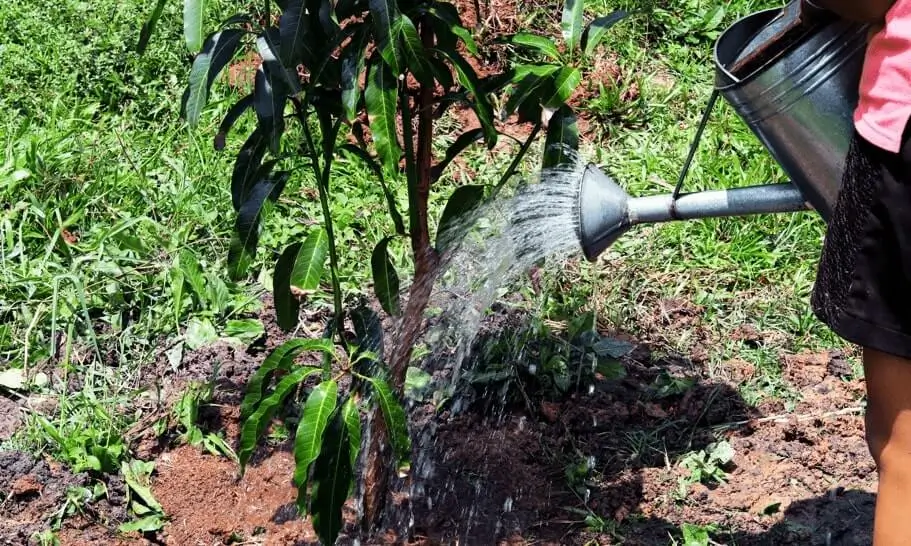
Growing fruit trees in windy environments can be challenging, especially when it comes to maintaining proper moisture levels. Strong winds accelerate evaporation, dry out the soil faster, and increase water stress on your trees. If not managed correctly, this can lead to weak growth, leaf damage, and reduced fruit production. Understanding how wind affects watering and learning simple strategies to retain moisture will help you keep your potted fruit trees healthy, hydrated, and productive even in exposed conditions.
Why Watering Fruit Trees in Windy Areas Matters for Container Gardeners
Wind dramatically changes how fruit trees behave in containers. Unlike in-ground trees, container-grown fruit trees have limited soil volume, which means they lose moisture much faster.
How wind affects container fruit trees
- Accelerated evaporation: Wind strips moisture from the soil surface and pot sides.
- Leaf transpiration increases: Leaves lose water faster, causing stress even when soil looks damp.
- Uneven drying: One side of the pot may dry out while the other stays wet.
- Root exposure risk: Lightweight pots can shift, crack, or expose roots.
If you’ve ever noticed your fruit tree wilting shortly after watering, wind is often the hidden cause. This issue is closely connected to uneven watering problems common in containers, especially during warm or dry seasons.
Why beginners struggle most
New gardeners often:
- Water on a fixed schedule instead of responding to conditions
- Use small or lightweight pots
- Ignore wind exposure when choosing plant placement
Learning to adapt watering habits to windy conditions is essential for long-term success with container fruit trees.
Step-by-Step Guide to Watering Fruit Trees in Windy Areas
1. Adjust how and when you water
The timing and method of watering matter more than the amount.
Best practices:
- Water early in the morning to reduce evaporation.
- Avoid midday watering when wind and heat peak.
- Water slowly until excess drains from the bottom.
Deep watering encourages roots to grow downward instead of staying near the surface. This approach complements strategies used to fix poor water absorption in container soil.
2. Water deeply, not frequently
Shallow, frequent watering leads to weak root systems and faster drying.
Instead:
- Check moisture 2–3 inches below the surface.
- Only water when the top layer begins to dry.
- Ensure water reaches the full root zone.
This method helps prevent the common problem of fruit trees drying out in pots despite frequent watering.
3. Increase watering frequency during windy periods
Windy days require flexibility:
- Light wind: normal schedule
- Moderate wind: add one extra check per day
- Strong wind: water more often, especially for small containers
Always observe the plant—wilting, dull leaves, or leaf curl are early warning signs.
Choosing the Right Containers for Windy Conditions
Size matters more than you think
Larger containers retain moisture longer and protect roots better.
Recommended minimum sizes:
- Dwarf fruit trees: 12–15 gallons
- Semi-dwarf trees: 20–25 gallons
Small pots dry out quickly and are unstable in wind, making them unsuitable for exposed areas.
Material affects moisture retention
- Plastic or resin pots: Best for windy areas (retain moisture longer)
- Glazed ceramic: Moderate evaporation
- Terracotta: Dries out fastest; requires extra care
If you’re unsure which pot type works best, compare this with guidance on choosing containers for fruit trees in small spaces.
Elevation and placement tips
- Place pots directly on the ground when possible
- Avoid raised stands in windy zones
- Group containers together to reduce airflow
Soil and Mulch: Your Best Defense Against Wind Drying
Use moisture-retentive potting mix
A good soil mix should:
- Drain well but hold moisture
- Contain compost or coco coir
- Avoid heavy garden soil
Soil that drains too quickly worsens wind-related water loss and leads to root stress.
Mulching is non-negotiable
Mulch protects the soil surface from direct airflow.
Best mulch options for containers:
- Straw or shredded bark
- Wood chips
- Coconut husk chips
Apply a 2–3 inch layer, keeping mulch away from the trunk. Mulching also helps stabilize soil temperature and complements proper watering techniques for container fruit trees.
Protecting Fruit Trees from Wind Exposure
Create physical wind barriers
Simple solutions include:
- Balcony screens or garden mesh
- Wooden panels or lattice
- Moving pots near walls or fences
Even partial protection significantly reduces water loss.
Rotate containers regularly
Wind often comes from one direction. Rotate pots every few days to:
- Prevent uneven drying
- Encourage balanced growth
- Reduce leaf burn on one side
This practice pairs well with techniques used to fix uneven watering in container plants.
Common Mistakes Beginners Make When Watering in Windy Areas
Overwatering to compensate
More water is not always better. Overwatering leads to:
- Root rot
- Oxygen-deprived soil
- Weak root systems
Always check soil moisture before watering.
Ignoring drainage holes
Without proper drainage:
- Roots sit in soggy soil
- Water stress worsens
- Trees decline rapidly
Ensure every container has multiple drainage holes.
Using small pots “temporarily”
Many gardeners start with small pots planning to upgrade later. In windy areas, this often causes early stress and stunted growth.
Tools and Accessories That Make Watering Easier
Self-watering containers
These help maintain consistent moisture and reduce daily watering needs, especially useful for balconies and terraces.
Drip irrigation systems
- Deliver water slowly and evenly
- Reduce evaporation
- Ideal for multiple containers
Moisture meters (used correctly)
Moisture meters can help beginners but should be combined with manual soil checks for accuracy.
FAQ: Watering Fruit Trees in Windy Areas
How often should I water fruit trees in windy areas?
There’s no fixed schedule. Check soil moisture daily during windy weather and water when the top few inches feel dry.
Can wind cause fruit trees to wilt even if the soil is wet?
Yes. Wind increases leaf water loss faster than roots can absorb water, leading to temporary wilting.
Is misting leaves helpful in windy conditions?
Not really. Misting evaporates quickly and may increase stress. Focus on soil moisture instead.
Should I move fruit trees indoors during strong wind?
If possible, yes—especially for young or small trees. Temporary shelter can prevent dehydration.
Do all fruit trees react the same way to wind?
No. Citrus and figs are more sensitive, while olives and pomegranates tolerate wind better but still need proper watering.
Conclusion: Smart Watering Is the Key to Success in Windy Areas
Watering fruit trees in windy areas isn’t about using more water—it’s about using it wisely. By adjusting your watering timing, choosing the right containers, improving soil and mulch, and reducing wind exposure, you can keep your container fruit trees healthy and productive.
Start by checking your current setup today:
- Upgrade pot size if needed
- Add mulch
- Adjust your watering routine based on wind
With these practical steps, even windy balconies and open spaces can become thriving fruit-growing environments.