
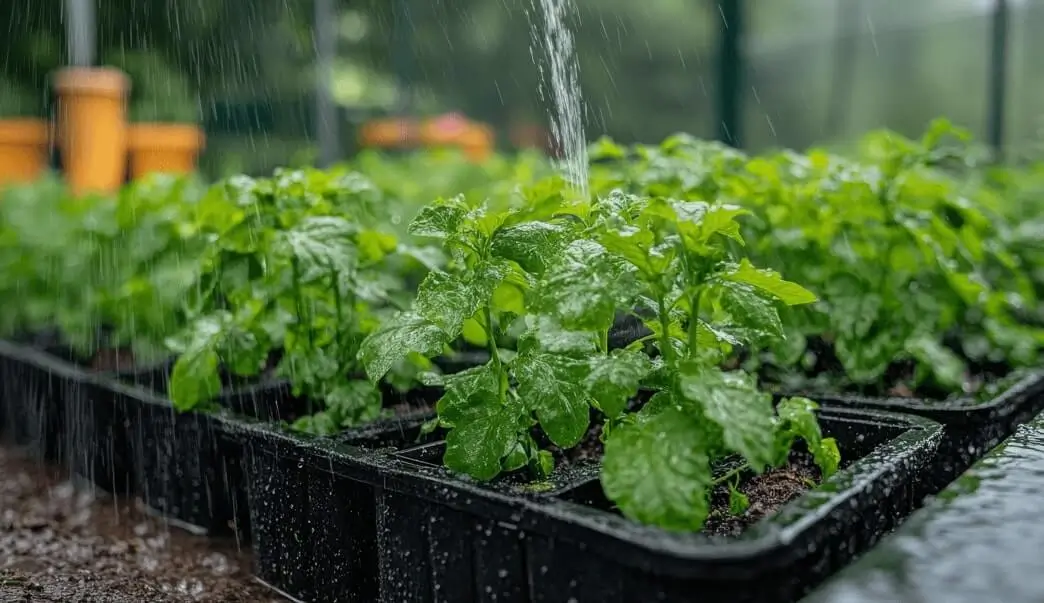
Watering issues are one of the most common challenges when growing fruit plants in plastic containers. These pots tend to retain moisture differently than other materials, often leading to problems like overwatering, poor drainage, or uneven soil moisture. If not managed properly, these issues can weaken plant roots, reduce growth, and impact fruit production. Understanding how plastic containers affect water balance—and how to correct these problems—can help you maintain healthier, more productive plants.
Why Watering Problems in Plastic Containers Matter
Proper water management is one of the most important skills for successful container fruit gardening. Unlike in-ground beds, containers:
- Dry out faster in warm weather because roots are confined and exposed.
- Hold water longer if drainage is poor, especially in plastic pots that don’t breathe.
- Lack natural soil buffering, making plants more sensitive to too much or too little water.
This balance is critical for fruit plants like strawberries, blueberries, figs, and citrus — all popular choices for containers. If water sits in a plastic pot too long, roots can suffocate and rot. If the soil dries too quickly, plants wilt and fail to produce fruit. Getting this right improves plant health, boosts yields, and reduces pests and disease stress in small-space gardens. For beginners, pairing good watering habits with the right soil and container setup is essential — much like choosing the right container depth for healthy roots in pots.(growfruitly.com)
Understanding the Challenge: Plastic Pots and Water
Plastic containers are lightweight and affordable, which makes them popular for mobile fruit gardens on patios and balconies. However:
- Plastic doesn’t wick moisture away like breathable materials such as clay.
- Lack of breathability increases water retention, which can lead to root suffocation if not paired with proper drainage and soil mix.
- Color matters — darker plastic can heat up faster in sun, increasing evaporation stress on roots.
These traits mean watering mistakes show up quickly and can harm plant growth before you realize it.
Step-by-Step: Fixing Watering Problems in Plastic Containers
Here’s a clear plan to diagnose and solve watering problems, tailored for beginner gardeners:
1. Improve Drainage (First Priority)
Even the best watering routine fails if water can’t escape.
- Check pot holes — ensure there are adequate drainage holes at the bottom.
- Add a drainage layer (optional) — a thin layer of gravel or broken pottery at the bottom can help water move through more freely.
- Use pot feet or risers so water can freely drain out of the holes without sitting against the patio.
2. Choose the Right Soil Mix
Good soil is your best defense against both overwatering and drought.
- Use a potting mix designed for containers, not garden soil.
- Amend with perlite or pumice to boost aeration and prevent compaction.
- Consider adding organic matter to help balance moisture retention and drainage.
Healthy soil makes watering more forgiving and roots healthier — a principle echoed in guides on optimizing soil for fruit trees in pots.(growfruitly.com)
3. Water Deeply and Less Often
Frequent, shallow watering is one of the biggest mistakes beginners make.
- Water until you see moisture draining from the bottom of the container.
- Let the top 1–2 inches dry before watering again.
- In hot weather or breezy spots, check moisture more often — but avoid daily watering unless you see dryness.
4. Adjust for Weather and Season
Plants need more water:
- In hot, dry weather.
- When fruiting and flowering.
- In wind or full sun (plastic pots heat up faster).
During cooler or rainy periods, water less to prevent soggy soil.
5. Use Mulch to Regulate Moisture
A light mulch like straw or wood chips on top of the soil reduces evaporation and keeps moisture consistent — especially helpful in plastic containers that heat up quickly.
Common Mistakes Beginners Make
Even experienced gardeners slip up. Here’s what to avoid:
❌ Watering on a Schedule Alone
Don’t water just because it’s “time.” Instead, check soil moisture before adding water.
❌ Leaving Water in Saucers
Standing water under plastic pots can soak back into the soil, leading to root rot. Empty saucers after watering.
❌ Assuming All Plants Need the Same Amount
Different fruit plants have different needs. For example, blueberries like evenly moist soil, while figs can tolerate slight dryness between waterings.
❌ Ignoring Signs of Stress
Yellowing leaves, wilting, or a sour smell from soil can all indicate problems — either too much or too little water.
Practical Tools and Tips
These tools make managing container watering much easier:
- Moisture meter — quick, beginner-friendly way to check soil moisture without guesswork.
- Self-watering inserts or wicking systems — help maintain consistent moisture levels, especially in warm months.
- Mulch layer — retains moisture and stabilizes temperature in plastic containers.
Pairing these with good container practices from container fruit gardening guides on GrowFruitly helps you avoid common pitfalls and grow healthy plants.(growfruitly.com)
FAQ: Watering Problems in Plastic Containers
How often should I water fruit plants in plastic containers?
Water deeply when the top 1–2 inches feel dry, rather than on a strict schedule. Weather and pot size influence frequency.
Can plastic containers cause root rot?
Yes — plastic holds moisture, so poor drainage or frequent watering can suffocate roots and lead to rot.
Is morning or evening watering better?
Morning is ideal — it gives plants moisture before the heat of the day and reduces risk of fungal issues.
Should I water differently in summer vs winter?
Yes — water more often in hot, dry periods and reduce frequency in cooler seasons.
Can mulch help with watering problems?
Absolutely — a light mulch helps retain soil moisture and keeps roots cooler.
Conclusion
Watering problems in plastic containers are one of the toughest barriers to success in container fruit gardening — but they’re fixable. By improving drainage, choosing the right soil, watering deeply yet infrequently, and adjusting habits with the seasons, you’ll create a healthy environment where roots can breathe and plants can thrive. Start by testing soil moisture before each watering, pair water management with quality soil blends, and watch your containers transform into productive, stress-free fruit gardens. With a bit of practice, you’ll be well on your way to rich harvests — whether you’re growing strawberries on a balcony or citrus in patio pots.