
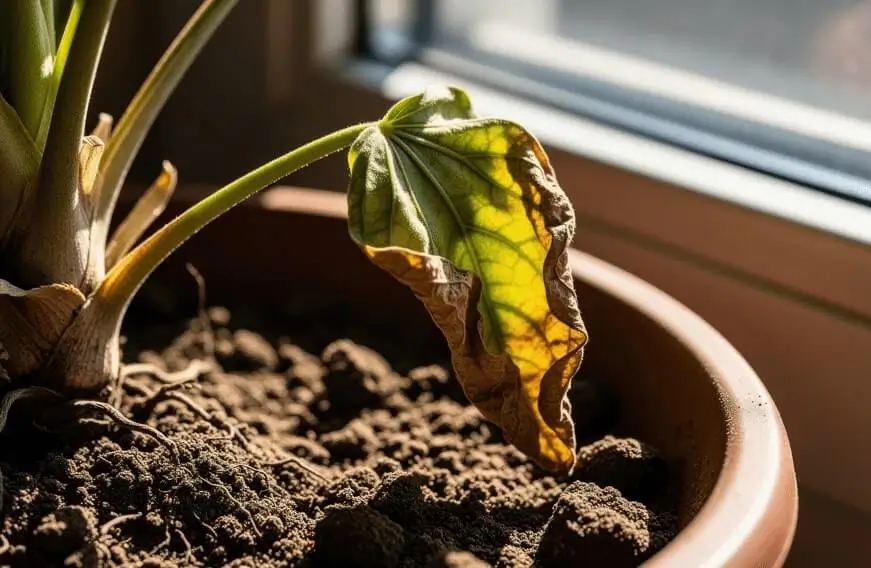
Root rot caused by overwatering is one of the most common yet devastating problems for container fruit trees. When excess moisture suffocates roots and encourages fungal growth, plants quickly begin to decline—often before gardeners realize what’s wrong. Recognizing the early warning signs and acting fast can mean the difference between saving your tree and losing it entirely. In this guide, you’ll learn how to identify root rot symptoms and apply proven solutions to restore your container fruit trees to health.
Why Root Rot From Overwatering Is a Major Problem in Container Fruit Gardening
Root rot is one of the leading causes of failure in container-grown fruit trees, especially for beginners. Unlike garden soil, containers have limited space, restricted airflow, and slower moisture evaporation, making them far more vulnerable to excess water.
Roots Need Oxygen, Not Just Water
Healthy roots absorb oxygen through tiny air pockets in the soil. When a pot stays constantly wet:
- Air pockets fill with water
- Oxygen levels drop
- Roots begin to suffocate and die
Dead roots then become vulnerable to fungal pathogens, which accelerate decay and spread rot throughout the root system.
Why Containers Make Overwatering Worse
In-ground trees can sometimes tolerate heavy watering because excess water drains away. Containers cannot:
- Poor drainage holes trap moisture
- Incorrect soil mixes hold water too long
- Oversized pots stay wet for days or weeks
This is why many gardeners experience issues like yellow leaves, weak growth, or sudden decline, even when they believe they’re “doing everything right.”
If your tree also shows symptoms similar to those discussed in our guide on overwatering fruit trees in pots and containers, root rot should be one of the first problems you investigate.
Clear Signs of Root Rot From Overwatering (Above & Below Soil)
Root rot doesn’t appear overnight. It develops gradually, and the earlier you spot the warning signs, the better your chances of saving the tree.
Above-Soil Warning Signs
These symptoms often confuse gardeners because they resemble nutrient deficiencies or underwatering:
- Yellowing leaves, especially starting from lower branches
- Wilting despite wet soil
- Leaf drop without seasonal reason
- Stunted or halted growth
- Soft, weak stems
- No new leaf or flower development
If you’re unsure whether yellow foliage is caused by nutrients or water stress, compare these symptoms with our detailed breakdown of yellow leaves on container fruit trees to avoid misdiagnosis.
Below-Soil (Root-Level) Symptoms
To confirm root rot, you’ll need to inspect the roots:
Healthy roots:
- Firm and white or light tan
- Fresh, earthy smell
Rotten roots:
- Brown, black, or gray
- Mushy or slimy texture
- Foul, rotten odor
- Break apart easily when touched
If more than 30–40% of the root mass shows decay, immediate action is critical.
For Drainage & Container Issues
Step-by-Step: How to Fix Root Rot Caused by Overwatering
If you’ve identified the signs of root rot from overwatering, don’t panic. Many container fruit trees can recover if treated early and correctly.
Step 1: Remove the Tree From the Pot
- Gently slide the tree out of its container
- Support the trunk and root ball carefully
- Shake off loose, wet soil
Avoid pulling forcefully, as weakened roots break easily.
Step 2: Trim Rotten Roots
Using sterilized pruning shears:
- Cut away all black, mushy, or foul-smelling roots
- Keep only firm, healthy roots
- Disinfect tools between cuts if rot is extensive
This step stops the spread of decay and allows new roots to form.
Step 3: Improve Drainage and Soil
Never reuse the old soil. Replace it with:
- A well-draining potting mix
- Added perlite, pumice, or coarse sand (20–30%)
- No garden soil or compost-heavy mixes
Choosing the right soil also prevents related problems like fruit trees dropping fruits prematurely, which often occurs when roots are stressed.
Step 4: Choose the Right Container
- Ensure multiple drainage holes
- Avoid pots that are too large
- Use breathable materials (fabric pots or terracotta if possible)
Oversized containers stay wet longer and slow recovery.
Step 5: Water Correctly After Repotting
- Water lightly once to settle soil
- Do not soak the pot
- Allow the top 2–3 inches of soil to dry before watering again
Consistency—not frequency—is key.
Common Overwatering Mistakes Beginners Make
Most root rot cases come from good intentions paired with poor technique.
Watering on a Schedule Instead of Checking Soil
Watering “every day” or “every two days” ignores:
- Temperature changes
- Pot size
- Tree growth stage
Always check moisture before watering.
Assuming Wilting Means Thirst
One of the biggest misconceptions:
- Overwatered roots can’t absorb water
- Leaves wilt even though soil is wet
This leads gardeners to water more, accelerating root damage.
Ignoring Drainage Design
A pot without proper drainage is a root rot trap. Even perfect watering habits can’t compensate for:
- Single small drainage hole
- Decorative cachepots without exits
These mistakes often overlap with issues explained in why fruit trees fail in containers, making root health a foundational priority.
Tools, Soil, and Care Tips to Prevent Root Rot Long-Term
Prevention is far easier than recovery. These practices drastically reduce future risk.
Essential Tools
- Moisture meter (for beginners)
- Breathable fabric pots
- Sterilized pruning shears
Best Soil Mix for Container Fruit Trees
A reliable blend:
- 50–60% quality potting mix
- 20–30% perlite or pumice
- 10–20% pine bark fines or coarse compost
This structure ensures fast drainage and proper airflow.
Smart Watering Habits
- Water deeply but infrequently
- Always empty saucers after watering
- Adjust watering based on season (less in winter)
Proper watering also supports flowering and fruiting, reducing problems like those described in fruit trees not flowering in pots.
FAQ: Signs of Root Rot From Overwatering
Can a fruit tree recover from root rot?
Yes, if less than half the root system is damaged and corrective action is taken early.
How long does it take to see improvement?
New growth typically appears within 3–6 weeks after repotting and correcting watering habits.
Should I use fungicides for root rot?
Usually not necessary. Removing rotten roots and improving drainage is more effective than chemicals.
Can root rot happen in winter?
Yes. Reduced evaporation and dormant growth make winter overwatering especially dangerous.
Is yellowing always a sign of root rot?
No. It can also indicate nutrient deficiency, stress, or seasonal leaf drop. Always check soil moisture and roots.
Conclusion: Protecting Your Container Fruit Trees From Root Rot
Root rot is one of the most preventable problems in container fruit gardening. By recognizing the signs of root rot from overwatering, you can intervene before irreversible damage occurs. The key lessons are simple but powerful: prioritize drainage, use the right soil, and water based on plant needs—not habit.
If your tree is already struggling, act quickly by inspecting roots, removing rot, and correcting your setup. Healthy roots mean stronger growth, better flowering, and higher fruit yields.
Your next step? Review your containers today, reassess your watering routine, and give your fruit trees the oxygen-rich environment they need to thrive long-term.