
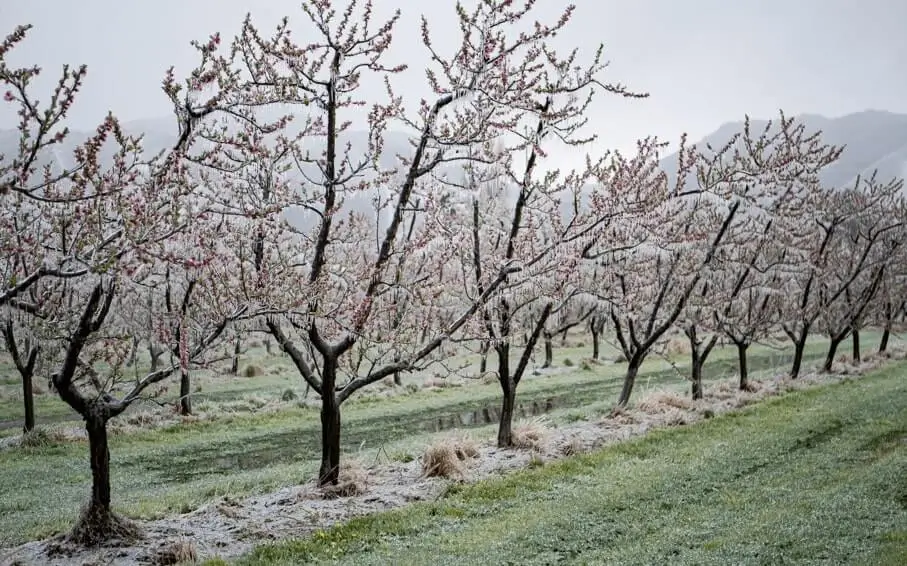
Fruit trees are usually resilient, steadily growing and rewarding gardeners with lush foliage and abundant harvests. But sometimes, growth can suddenly stall without warning. One day your tree is thriving, and the next, it seems stuck—no new leaves, no height increase, and no visible progress.
If your fruit tree has stopped growing suddenly, don’t panic. This issue is common in container gardening and even in-ground trees. The key is identifying the root cause quickly and applying the right fix. In this guide, you’ll discover the most common reasons fruit trees stop growing—and proven solutions to get them back on track.
Why Sudden Growth Stoppage Matters in Container Fruit Gardening
In the ground, fruit trees have room to recover from stress. In containers, mistakes show up fast—and growth stops are often the first warning sign.
When a container fruit tree stops growing suddenly, it can lead to:
- Weak root systems
- Leaf yellowing or drop
- Flower and fruit loss
- Long-term stunting
Many gardeners assume the tree is “just resting,” but prolonged inactivity usually means something is wrong below the surface. Issues like compacted soil, root stress, or nutrient lockout progress faster in pots than in garden beds.
If left unresolved, a stalled tree may never reach its full productive potential. Understanding the cause early is the key to saving both the tree and your harvest.
Why Fruit Trees Stop Growing Suddenly: The Real Causes
1. Root Stress and Limited Space
Roots are the engine of growth. When they’re stressed, everything above ground slows down.
Common root-related causes include:
- Roots circling the pot (root-bound trees)
- Poor drainage causing soggy soil
- Sudden repotting into the wrong container size
A tree that was growing well and then stopped may be struggling after transplanting. If this sounds familiar, read our detailed guide on fruit trees dying after repotting, which explains how root shock halts growth and how to reverse it.
Fix it:
- Check if roots are tightly circling the pot
- Repot only 1–2 sizes larger, not dramatically bigger
- Use containers with multiple drainage holes
2. Nutrient Imbalance (Too Much or Too Little)
One of the biggest surprises for beginners: overfeeding can stop growth just as fast as underfeeding.
Problems include:
- Excess nitrogen causing salt buildup
- Lack of micronutrients like iron or magnesium
- Old potting mix depleted of nutrients
If your tree has leaves but no new shoots, nutrients may be locked up rather than missing. This often shows alongside symptoms like yellowing foliage—covered in detail in our article on yellow leaves on container fruit trees and what they mean.
Fix it:
- Flush the soil with water every 4–6 weeks
- Use a balanced, slow-release fruit tree fertilizer
- Supplement with compost or worm castings
3. Watering Mistakes (The Silent Growth Killer)
Watering errors are the #1 reason fruit trees stop growing suddenly.
🚫 Too much water:
- Roots suffocate
- Growth pauses
- Leaves may drop without warning
🚫 Too little water:
- Tree goes into survival mode
- Growth halts to conserve energy
Container trees dry out unevenly, especially in warm climates.
Fix it:
- Water deeply until excess drains out
- Let the top 2–3 cm of soil dry before watering again
- Avoid daily shallow watering
4. Seasonal Growth Pauses (Often Misunderstood)
Not every growth stop is a problem.
Fruit trees naturally slow down when:
- Daylight hours shorten
- Temperatures drop
- After flowering or fruiting
However, many gardeners confuse natural pauses with stress. If your tree also dropped flowers or fruit, this may connect to growth stalling. Learn more in our guide on why fruit trees drop flowers and small fruits.
Fix it:
- Adjust expectations by season
- Reduce feeding during cooler months
- Focus on maintenance, not forcing growth
5. Light Deficiency in Small Spaces
Fruit trees need 6–8 hours of direct sunlight to maintain active growth.
In balconies or patios, light angles change throughout the year. A tree that thrived in spring may stall in summer or fall simply due to shade.
Fix it:
- Move containers monthly if possible
- Rotate pots weekly for even exposure
- Prune nearby plants blocking light
6. Stress From Heavy Flowering or Fruiting
Producing flowers and fruit takes enormous energy. Some trees pause vegetative growth entirely during this stage.
This is especially common in young trees or dwarf varieties.
If your tree is alive but stagnant, compare this with symptoms explained in why fruit trees stop flowering or never bloom properly.
Fix it:
- Thin excessive fruit
- Avoid heavy pruning during fruit set
- Increase potassium and phosphorus slightly
Step-by-Step: How to Restart Growth in a Stalled Fruit Tree
Follow this simple recovery checklist:
- Inspect roots – Check drainage and root crowding
- Refresh soil – Replace top ⅓ of potting mix
- Correct watering – Deep, consistent, not frequent
- Feed gently – Slow-release fertilizer, not liquid overload
- Improve light – Move or elevate the pot
- Reduce stress – Avoid pruning or repotting during recovery
Growth doesn’t resume overnight. Look for:
- New buds
- Lighter green leaves
- Soft stem tips
These are signs your tree is waking up again.
Common Beginner Mistakes That Stop Growth
Many gardeners unknowingly cause growth stalls by doing “too much.”
Overreacting Too Quickly
Changing fertilizer, watering, and location all at once confuses the tree.
Repotting at the Wrong Time
Repotting during flowering or fruiting often causes a complete growth pause.
Using Garden Soil in Pots
Heavy soil compacts roots and blocks oxygen.
Expecting Constant Growth
Fruit trees grow in cycles, not continuously.
Understanding these mistakes helps explain why fruit trees fail to grow long-term in containers, even when they appear healthy at first.
Best Tools, Soil & Care Tips for Healthy Growth
Ideal Potting Mix
- 40% high-quality potting mix
- 30% compost
- 20% perlite or pumice
- 10% coco coir
Container Choice
- Breathable fabric or terracotta pots
- Minimum depth: 40–50 cm for most fruit trees
Essential Tools
- Moisture meter (optional but helpful)
- Slow-release organic fertilizer
- Mulch to regulate soil temperature
Small upgrades like these make a huge difference in consistent growth.
Frequently Asked Questions (FAQ)
Why did my fruit tree stop growing after repotting?
Root disturbance causes temporary shock. Growth usually resumes in 2–6 weeks if conditions are correct.
Can overwatering really stop growth completely?
Yes. Oxygen-starved roots halt nutrient uptake, stopping growth even if leaves look green.
How long can a fruit tree stay dormant in a pot?
Natural dormancy can last several months, but stress-related dormancy should be addressed within weeks.
Should I fertilize a tree that isn’t growing?
Only lightly. Overfeeding often worsens the problem.
Is it normal for young fruit trees to grow slowly?
Yes, especially in the first year. Focus on root health, not size.
Conclusion: Get Your Fruit Tree Growing Again
When you understand why fruit trees stop growing suddenly, the problem becomes far less scary—and far more fixable. In containers, growth pauses are almost always linked to roots, water, nutrients, light, or stress timing.
Start by checking the basics, make one change at a time, and give your tree space to recover. Healthy growth always returns when conditions improve.
Next steps:
Inspect your pot today, adjust watering, and observe closely over the next 2–3 weeks. Small corrections now can mean years of healthy growth and abundant harvests later.
Your fruit tree isn’t giving up—it’s asking for help. 🌱