
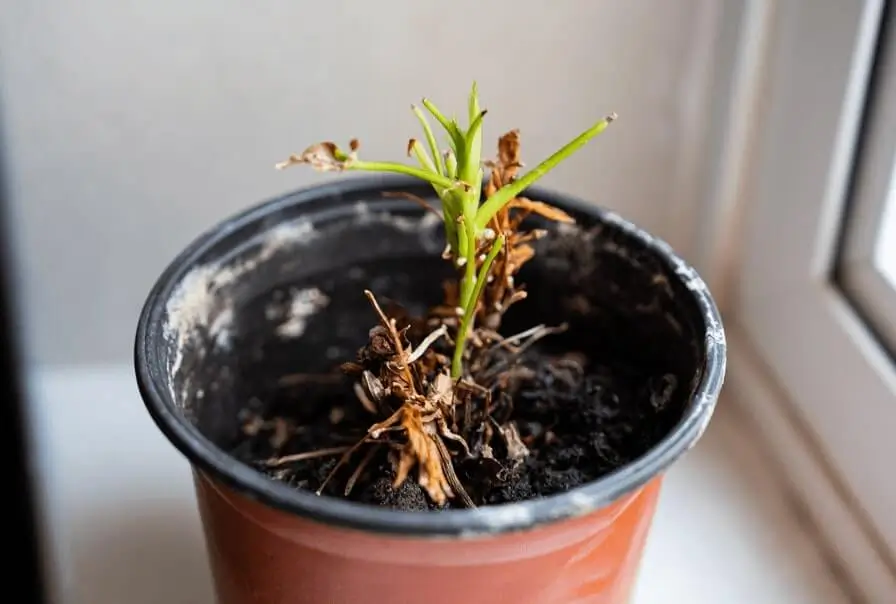
Root rot is one of the most common—and destructive—problems faced by container fruit tree growers. Unlike garden soil, pots restrict drainage and airflow, making roots highly vulnerable to excess moisture and fungal infections. If left untreated, root rot can quickly weaken your tree, reduce fruit production, and even lead to plant death. Understanding the causes, early symptoms, and proven solutions will help you protect your potted fruit trees and keep them thriving.
Why Root Rot Matters in Container Fruit Gardening
Container-grown fruit trees are far more vulnerable to root rot than in-ground trees. That’s because their roots live in a closed environment with limited airflow and drainage.
What is root rot, really?
Root rot isn’t a single disease—it’s a condition caused by:
- Excess moisture
- Poor drainage
- Oxygen-starved soil
These conditions allow harmful fungi and bacteria to attack roots, causing them to rot instead of absorbing water and nutrients.
Why potted fruit trees are at higher risk
- Overwatering happens faster in pots
- Containers trap moisture
- Poor soil mixes compact easily
- Drainage holes may clog
If left untreated, root rot can:
- Stop fruit production
- Cause leaf yellowing and drop
- Kill the tree entirely
If you’re also dealing with yellow foliage, this guide pairs well with our article on yellow leaves on potted fruit trees and what they really mean, which often overlaps with early root rot symptoms.
Common Causes of Root Rot in Potted Fruit Trees
Understanding the cause is essential before jumping into solutions.
1. Overwatering (The #1 Cause)
Most beginners water on a schedule instead of based on soil moisture. Constantly wet soil suffocates roots.
Warning sign: Soil never dries out, even days after watering.
You may want to compare this with our in-depth guide on signs of overwatering fruit trees in containers, which explains how to read your tree’s signals.
2. Poor Drainage Containers
Even the best soil won’t help if:
- The pot has no drainage holes
- Holes are too small
- Saucers trap excess water
3. Wrong Soil Mix
Garden soil or heavy compost:
- Compacts easily
- Holds too much water
- Blocks oxygen flow to roots
4. Cold, Wet Conditions
Cool temperatures slow evaporation. Combined with frequent watering, this creates the perfect environment for root rot pathogens.
How to Identify Root Rot in Potted Fruit Trees (Early Symptoms)
Catching root rot early can save your tree.
Above-ground symptoms
- Yellowing leaves (starting from lower leaves)
- Wilting despite wet soil
- Slow or stunted growth
- Flowers or young fruit dropping early
These symptoms are often confused with nutrient deficiencies or underwatering. If your tree is also dropping fruit, see our guide on why container fruit trees drop fruit prematurely for related causes.
Below-ground confirmation
Carefully remove the tree from its pot and check the roots:
- Healthy roots: White or light tan, firm
- Rotten roots: Brown or black, mushy, foul-smelling
Step-by-Step: How to Fix Root Rot in Potted Fruit Trees
If root rot is present, act immediately.
Step 1: Remove the Tree from Its Pot
- Gently slide the root ball out
- Shake off wet soil
- Expose the roots as much as possible
Step 2: Prune Infected Roots
- Use sterilized pruning shears
- Cut away all black, mushy, or slimy roots
- Keep only firm, healthy roots
Tip: If more than 50% of the root system is damaged, recovery may be slow—but still possible.
Step 3: Choose the Right Container
- Must have multiple drainage holes
- Avoid decorative pots without drainage
- Size should be slightly larger—not oversized
Step 4: Use a Well-Draining Soil Mix
Ideal container fruit tree mix:
- 40% high-quality potting soil
- 30% compost or coco coir
- 20% perlite or pumice
- 10% coarse sand or bark
Never reuse the old soil—it may still contain pathogens.
Step 5: Repot and Water Correctly
- Water once to settle soil
- Let excess water drain fully
- Do not water again until top 2–3 inches are dry
If you’re unsure about proper watering, our guide on how often to water fruit trees in containers explains this in detail.
How to Prevent Root Rot in Container Fruit Trees (Best Practices)
Prevention is far easier than treatment.
Watering rules that actually work
- Water only when soil is dry below the surface
- Lift the pot—light pots need water, heavy ones don’t
- Adjust watering by season (less in winter)
Improve drainage permanently
- Elevate pots slightly off the ground
- Remove saucers after watering
- Flush soil monthly to prevent salt buildup
Match container size to tree size
Oversized pots:
- Hold excess moisture
- Encourage root rot
Start small and size up gradually.
Common Beginner Mistakes That Lead to Root Rot
Avoid these costly errors:
- Watering on a fixed schedule
- Using garden soil in pots
- Choosing pots without drainage
- Ignoring early yellow leaves
- Fertilizing stressed or rotting roots
Many beginners assume more water equals healthier growth. In reality, roots need oxygen as much as water.
Tools and Supplies That Help Prevent Root Rot
You don’t need fancy equipment—just the right basics.
Essential tools
- Moisture meter (optional but helpful)
- Pruning shears (for root trimming)
- Pots with proper drainage
- Perlite or pumice for aeration
Optional but useful
- Mycorrhizal fungi (supports root recovery)
- Neem-based soil drenches (preventive use)
- Breathable fabric grow bags
FAQ: Root Rot in Potted Fruit Trees
Can a fruit tree recover from root rot?
Yes, if caught early. Pruning affected roots and correcting soil and watering habits can fully restore the tree.
How often should I water to avoid root rot?
There’s no fixed schedule. Water only when the top 2–3 inches of soil are dry.
Does root rot spread to other plants?
Yes. Shared tools, reused soil, or runoff water can spread pathogens.
Is hydrogen peroxide good for root rot?
It can help in mild cases by oxygenating soil, but it’s not a cure-all. Proper drainage is more important.
Should I fertilize a tree recovering from root rot?
No. Wait until you see new healthy growth before fertilizing lightly.
Conclusion: Keep Roots Healthy, Keep Trees Productive
Root rot in potted fruit trees is serious—but it’s also preventable with the right knowledge and habits. By improving drainage, using the correct soil mix, and watering based on actual plant needs, you eliminate the conditions that cause root rot in the first place.
Your next steps:
- Check your containers for drainage
- Test soil moisture before watering
- Repot any struggling trees immediately
Healthy roots mean stronger growth, better fruiting, and long-term success in container fruit gardening. With these practices, your potted fruit trees can thrive for years to come. 🌱🍎