
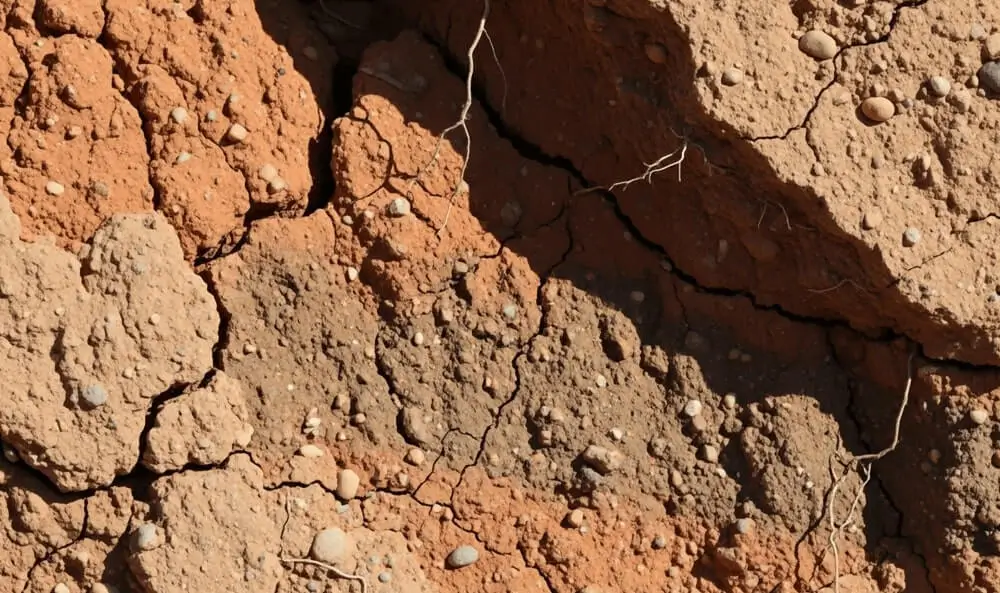
If your fruit trees look weak, grow slowly, or fail to produce healthy yields, poor soil is often the hidden cause. In containers especially, soil quality directly affects root health, nutrient availability, and overall plant strength. The good news is that with the right soil improvements and care techniques, you can quickly restore vitality and help your fruit trees grow stronger, healthier, and more productive.
In this guide, you’ll learn exactly how poor soil affects fruit trees, how to diagnose the problem, and — most importantly — step-by-step solutions to rebuild soil that supports healthy roots, vigorous growth, and reliable harvests.
Why Poor Soil Causes Weak Fruit Trees (Especially in Containers)
Poor soil doesn’t just slow growth — it affects every system inside a fruit tree. In container fruit gardening, this impact is amplified because roots have limited space and no access to surrounding soil.
1. Roots Can’t Breathe or Grow Properly
Healthy fruit trees need oxygen at the root level. When soil is compacted, heavy, or waterlogged:
- Roots suffocate
- Fine feeder roots die off
- Nutrient uptake drops sharply
This is why trees grown in dense garden soil or reused potting mix often appear stunted, even with regular watering.
2. Nutrients Are Either Missing or Locked Up
Poor soil often has one of two problems:
- Low nutrient content (common in cheap potting mixes)
- Nutrients present but unavailable due to incorrect pH or poor microbial activity
In both cases, the tree may show deficiency symptoms even if you’re fertilizing.
3. Watering Becomes Unpredictable
Bad soil drains either:
- Too slowly, causing root rot
- Too quickly, leaving roots dry hours after watering
If you’ve noticed water pooling on the surface or rushing straight out of the drainage holes, soil quality is likely the root cause.
Signs That Poor Soil Is Weakening Your Fruit Tree
Before fixing the problem, confirm it. Weak fruit trees caused by soil issues often show these symptoms:
- Slow or minimal new growth
- Pale or yellowing leaves (especially between veins)
- Small leaves and thin branches
- Flowers that drop without setting fruit
- Fruit that stays small or falls early
- Soil that stays wet for days or dries out within hours
If several of these apply, soil quality — not sunlight or watering alone — is likely the main issue.
Step-by-Step: How to Fix Poor Soil Causing Weak Fruit Trees
Step 1: Stop Using Garden Soil in Containers
One of the biggest beginner mistakes is filling pots with backyard soil. Garden soil:
- Compacts easily in containers
- Drains poorly
- Lacks consistent nutrients
If your tree is planted this way, repotting is essential. For a detailed guide, see how to repot a fruit tree without stressing it.
Step 2: Use a High-Quality Fruit Tree Potting Mix
A good container mix should:
- Hold moisture without staying soggy
- Allow air pockets for roots
- Contain organic matter for nutrients
Ideal base mix:
- 40% high-quality potting soil
- 30% compost or worm castings
- 20% perlite or pumice
- 10% coconut coir or aged bark
Avoid mixes labeled only as “topsoil” or “general-purpose” for fruit trees.
For deeper soil selection help, read best soil mix for potted fruit trees.
Step 3: Improve Drainage Without Oversizing the Pot
Poor soil causing weak fruit trees is often blamed on pot size — but oversized containers can make things worse if the soil stays wet too long.
Instead:
- Use pots with multiple drainage holes
- Elevate containers slightly off the ground
- Add drainage material inside the soil, not a gravel layer at the bottom
If watering issues persist, this guide on fixing watering problems in container fruit trees can help.
Step 4: Restore Soil Life With Organic Matter
Living soil supports strong fruit trees. To rebuild soil biology:
- Add worm castings every 4–6 weeks
- Use compost tea or diluted liquid compost
- Avoid synthetic fertilizers that kill microbes
Healthy soil life improves nutrient availability and root resilience — especially important in containers.
Step 5: Feed Weak Trees Gently and Consistently
Weak fruit trees don’t need heavy feeding — they need balanced nutrition.
Best options:
- Slow-release organic fruit tree fertilizer
- Liquid seaweed or fish emulsion (diluted)
- Compost top-dressing
Overfeeding stressed trees often worsens the problem. If leaves are yellowing, check soil quality first before adding more fertilizer.
Common Mistakes That Keep Fruit Trees Weak
Even well-meaning gardeners often repeat these soil-related errors:
- Reusing old, compacted potting mix year after year
- Watering more instead of fixing drainage
- Fertilizing heavily to “force” growth
- Ignoring soil pH issues
- Choosing decorative pots without proper drainage
Many of these mistakes connect directly to why fruit trees struggle in small pots.
Tools and Supplies That Make Soil Fixes Easier
You don’t need expensive equipment, but these tools help tremendously:
- Moisture meter (to avoid overwatering)
- Quality potting mix (not bargain brands)
- Perlite or pumice for aeration
- Worm castings or compost
- Mulch (bark chips or straw for containers)
A simple mulch layer alone can stabilize soil moisture and temperature, reducing stress on weak trees.
FAQ: Poor Soil and Weak Fruit Trees
Can weak fruit trees recover after soil improvement?
Yes. Most fruit trees respond within weeks once roots can breathe, absorb nutrients, and grow properly.
How often should I change soil in container fruit trees?
Every 1–2 years, depending on tree size and growth rate. At minimum, refresh the top third annually.
Is yellowing always caused by poor soil?
Not always, but poor soil is one of the most common hidden causes. Drainage and nutrient lock-up are frequent culprits.
Can I fix poor soil without repotting?
Sometimes. Top-dressing with compost, improving drainage, and correcting watering can help — but severe compaction usually requires repotting.
Does poor soil affect fruit flavor?
Absolutely. Nutrient imbalance and root stress often lead to bland or undersized fruit.
Conclusion: Strong Fruit Trees Start With the Right Soil
Poor soil causing weak fruit trees is not a minor issue — it’s a foundational problem that affects growth, flowering, and fruiting. The good news is that soil is one of the easiest things to fix once you understand what fruit trees truly need.
Focus on:
- Well-aerated, living soil
- Consistent moisture with good drainage
- Gentle, organic nutrition
Once roots are healthy, everything above ground improves naturally. Start by upgrading your soil today, and your fruit trees will reward you with stronger growth, better harvests, and far fewer problems season after season.