
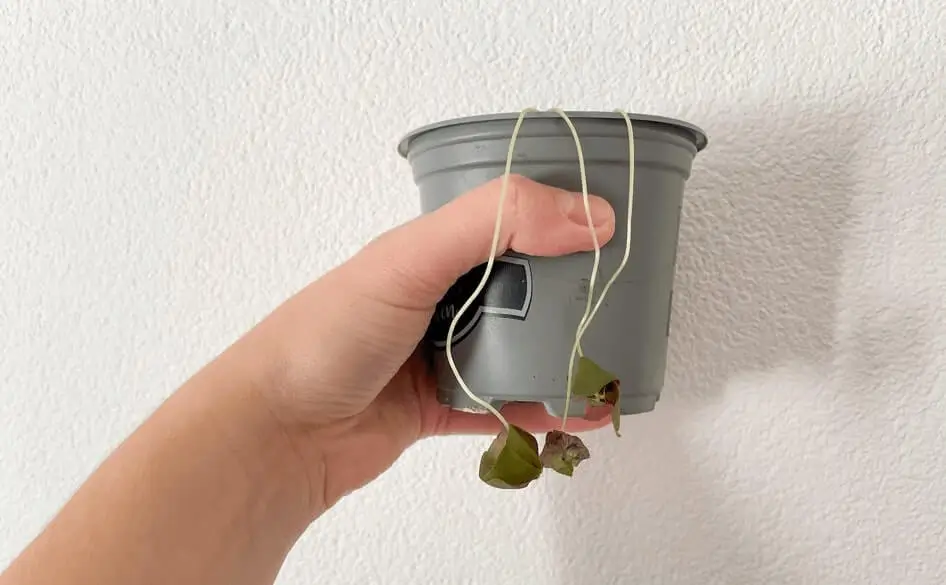
Repotting is essential for healthy container fruit trees, but it can sometimes lead to unexpected decline—or even death—if not done correctly. Many growers notice wilting leaves, stunted growth, or sudden leaf drop after moving their trees to a new pot. The good news? Most of these issues are preventable and reversible with the right techniques.
Understanding what goes wrong during repotting—and how to fix it—can help you protect your trees and ensure they thrive in their new environment.
Why Fruit Trees Dying After Repotting Is a Big Issue for Container Gardeners
Container fruit gardening offers flexibility, space efficiency, and better soil control—but it also comes with higher risk during repotting. Unlike in-ground trees, container-grown fruit trees rely entirely on you for:
- Root space
- Soil structure and drainage
- Water and nutrient balance
When repotting goes wrong, roots are disturbed, moisture levels fluctuate, and the tree’s ability to absorb water temporarily drops. This can trigger stress responses like yellow leaves, leaf drop, stalled growth, or dieback.
If you’ve noticed symptoms similar to yellowing leaves on potted fruit trees, this is often closely linked to repotting stress and watering imbalance.
Understanding why this happens is the first step toward fixing it.
The Main Reasons Fruit Trees Start Dying After Repotting
1. Transplant Shock (The Most Common Cause)
Transplant shock happens when roots are disturbed and temporarily can’t supply enough water to the leaves. Symptoms include:
- Wilting even when soil is moist
- Sudden leaf drop
- No new growth for weeks
This is normal to a degree, but severe shock can be fatal if compounded by other mistakes.
2. Root Damage During Repotting
Rough handling can break fine feeder roots—the parts responsible for water and nutrient uptake. Common causes include:
- Pulling roots apart aggressively
- Cutting too many roots at once
- Letting roots dry out during repotting
Without feeder roots, the tree struggles to hydrate itself.
3. Overwatering After Repotting
Many beginners assume a stressed tree needs more water. Unfortunately, this often leads to soggy soil and root suffocation.
If your tree shows drooping leaves with wet soil, you may be dealing with a problem similar to the ones explained in signs of overwatering fruit trees in containers.
4. Underwatering After Repotting
The opposite mistake is just as dangerous. Fresh soil can dry out unevenly, leaving roots without consistent moisture.
If leaves curl, crisp, or fall rapidly, compare your symptoms with this guide on how to recognize underwatered fruit trees.
5. Wrong Soil Mix
Heavy garden soil or poorly draining potting mixes trap water around roots. After repotting, this quickly leads to rot and decline.
6. Repotting at the Wrong Time
Repotting during active flowering or fruiting forces the tree to recover and produce fruit at the same time—often too much stress to handle.
Step-by-Step: What to Do If Your Fruit Tree Is Dying After Repotting
Step 1: Stop Guessing—Check the Roots
Carefully slide the tree out of the pot and inspect the roots:
- Healthy roots: Firm, white or light tan
- Rotting roots: Brown, black, mushy, foul-smelling
Trim only damaged roots using sterilized pruners.
Step 2: Fix the Soil and Drainage
Use a fast-draining, container-specific fruit tree mix:
- 40–50% high-quality potting mix
- 20–30% compost
- 20–30% perlite or coarse sand
Never use pure garden soil in pots.
Step 3: Adjust Watering Immediately
After repotting recovery:
- Water deeply once
- Allow the top 2–3 inches of soil to dry before watering again
- Ensure excess water drains freely
If leaves continue to drop, watering—not nutrients—is usually the issue.
Step 4: Reduce Stress on the Canopy
To help roots catch up:
- Prune 10–20% of the canopy
- Remove flowers or developing fruit
- Shade the tree for 7–14 days
This reduces water demand while roots heal.
Step 5: Pause Fertilizing
Fertilizing too soon burns stressed roots. Wait:
- 4–6 weeks for young trees
- 6–8 weeks for mature container trees
Once growth resumes, use a diluted, balanced fertilizer.
Common Beginner Mistakes That Kill Repotted Fruit Trees
❌ Repotting Too Often
Fruit trees don’t like frequent disturbance. Most container trees need repotting only every 2–3 years.
❌ Upsizing the Pot Too Much
Jumping from a small pot to a very large one keeps soil wet too long and suffocates roots.
❌ Ignoring Early Warning Signs
Problems like leaf drop or weak flowering often appear first. If your tree stopped blooming, this related guide on why fruit trees fail to flower can help you spot stress early.
Tools, Containers, and Care Tips That Improve Repotting Success
Best Container Choice
- Only 2–4 inches wider than the old pot
- Multiple drainage holes
- Breathable materials (fabric or terracotta preferred)
Essential Tools
- Sterilized pruning shears
- Mycorrhizal fungi (optional but helpful)
- Chopstick or stake to settle soil gently
How Long Does Recovery Take After Repotting?
Most container fruit trees recover in stages:
- Week 1–2: Leaf drop or drooping may occur
- Week 3–5: Roots begin re-establishing
- Week 6–8: New leaf growth appears
If decline continues past 8 weeks, reassess roots and watering.
FAQ: Fruit Trees Dying After Repotting
Why is my fruit tree wilting even though I watered it?
Wilting after repotting usually means damaged roots can’t absorb water yet—or soil is too wet and roots are suffocating.
Should I remove fruit after repotting?
Yes. Removing flowers or fruit helps the tree focus on root recovery instead of production.
Can a fruit tree recover from severe transplant shock?
Yes, if roots are still alive. Reduce stress, correct watering, and be patient.
Is leaf drop after repotting always bad?
No. Temporary leaf drop is common. Continuous leaf loss with no new growth signals a deeper issue.
Should I use root stimulators?
They can help, but proper watering, soil, and timing matter far more than additives.
Conclusion: How to Prevent Fruit Trees Dying After Repotting
Fruit trees dying after repotting is usually the result of stress—not failure. By understanding transplant shock, protecting roots, using the right soil, and adjusting watering, most container fruit trees recover fully and grow stronger than before.
Your next steps:
- Inspect roots and soil drainage
- Correct watering habits immediately
- Reduce canopy stress and pause fertilizing
- Repot only when necessary and at the right time
With these practices, repotting becomes a growth boost—not a death sentence—for your container fruit trees.