
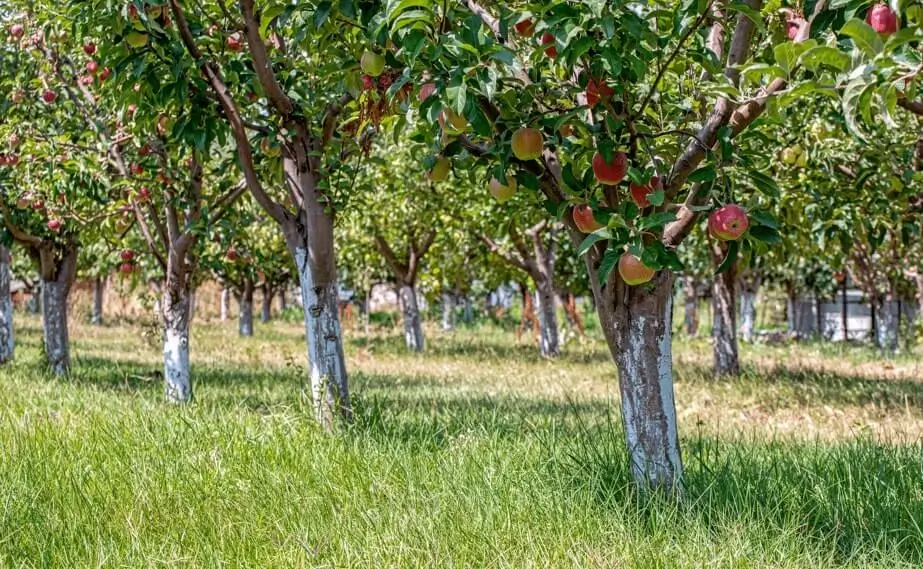
Fruit trees not absorbing nutrients is a common problem in container gardening that can seriously impact plant health, growth, and fruit production. Even when you provide quality soil and fertilizers, trees may struggle to take in essential nutrients due to issues like poor root health, incorrect soil pH, compacted soil, or watering mistakes. Understanding the underlying causes is the first step to solving the problem. In this guide, you’ll learn the key reasons why fruit trees fail to absorb nutrients and discover proven, practical solutions to restore healthy uptake and ensure your container fruit trees thrive.
Why Fruit Trees Not Absorbing Nutrients Is a Big Problem in Containers
Container fruit trees depend entirely on you for soil quality, water balance, and nutrient availability. Unlike in-ground trees, they can’t send roots deeper or wider to compensate for poor conditions.
When fruit trees are not absorbing nutrients in pots, several things happen:
- Leaves turn yellow despite fertilizing
- Growth slows or stops during the growing season
- Flowers drop before setting fruit
- Fruit remains small, bland, or fails to mature
In containers, nutrient uptake is tightly linked to root health, soil structure, and soil chemistry. Even premium fertilizers won’t work if roots are stressed, compacted, or chemically blocked from absorbing nutrients.
This issue is especially common in small-space growing, balconies, patios, and beginner setups where soil mixes and watering habits are often the hidden cause.
The Real Reasons Fruit Trees Are Not Absorbing Nutrients
1. Incorrect Soil pH Blocks Nutrient Uptake
Soil pH controls whether nutrients are available to roots. Even if nutrients exist, the tree cannot absorb them when pH is off.
- Too acidic: Calcium, magnesium, and phosphorus become unavailable
- Too alkaline: Iron, manganese, and zinc are locked out
This is extremely common in container gardening because potting mixes change pH over time, especially with tap water and repeated fertilization.
If you’ve never tested your soil, read this guide on acidic soil problems in container fruit trees to understand how pH silently affects nutrient absorption.
2. Poor Drainage and Oxygen-Starved Roots
Roots need oxygen to absorb nutrients. When soil stays wet too long, roots suffocate and nutrient uptake stops.
Common causes include:
- No drainage holes
- Heavy garden soil used in pots
- Overwatering “just to be safe”
Waterlogged roots are one of the fastest ways to create nutrient deficiencies — even in fertilized soil.
If your pots stay wet for days, review this article on soil holding too much water in containers.
3. Compacted or Incorrect Soil Mix
Fruit tree roots need loose, well-structured soil to grow and absorb nutrients efficiently. Compacted soil prevents root expansion and blocks nutrient movement.
Avoid:
- Pure garden soil in containers
- Old, broken-down potting mix
- Fine-textured mixes with no aeration
Using the wrong soil is a leading cause of nutrient absorption failure. This breakdown of wrong soil mix issues for potted fruit trees explains what to fix and how.
4. Rootbound Trees Can’t Access Nutrients
When roots circle tightly inside a pot, they lose the ability to absorb nutrients effectively. Even with fertilizer, roots physically can’t reach fresh nutrients.
Signs of a rootbound tree:
- Roots growing out of drainage holes
- Water running straight through the pot
- Sudden nutrient deficiency symptoms
Most fruit trees need repotting every 1–2 years to maintain healthy nutrient uptake.
5. Nutrient Imbalance or Overfertilization
More fertilizer does not equal better absorption. Excess nutrients can burn roots or block the uptake of other elements.
Examples:
- Too much nitrogen suppresses calcium and potassium uptake
- Excess phosphorus blocks iron absorption
- Salt buildup damages root tips
Balanced feeding matters more than frequency.
Step-by-Step Solutions to Help Fruit Trees Absorb Nutrients Again
Step 1: Test and Correct Soil pH
Use a simple soil pH meter or test strips. For most container fruit trees:
- Ideal pH range: 6.0–6.8
- Citrus prefers slightly acidic soil
- Figs and apples tolerate neutral ranges
Fixing pH naturally:
- Add garden lime to raise pH
- Add elemental sulfur or compost to lower pH
Adjust slowly over weeks — never all at once.
Step 2: Improve Drainage and Aeration
Healthy roots = active nutrient uptake.
- Ensure multiple drainage holes
- Elevate pots slightly off the ground
- Add perlite or pumice to improve airflow
- Avoid saucers filled with standing water
If water drains too fast instead, see why container soil dries out too quickly and how to rebalance it.
Step 3: Refresh or Replace Old Potting Soil
Old soil loses structure and nutrients. If your mix is over one year old:
- Remove the top 25–30%
- Replace with fresh fruit tree potting mix
- Add compost or worm castings
Never reuse exhausted soil without amending it properly. This guide on reusing soil for potted plants safely explains how.
Step 4: Repot Rootbound Fruit Trees
Repotting restores nutrient absorption immediately.
How to do it:
- Choose a pot 2–4 inches wider
- Loosen circling roots gently
- Trim damaged roots if necessary
- Use fresh, well-draining mix
Best timing: early spring before active growth.
Step 5: Feed Smart, Not Heavy
Use fertilizers that support root uptake:
- Slow-release organic fertilizers
- Liquid feeds diluted to half strength
- Compost tea for micronutrients
Feed during active growth only. Avoid fertilizing stressed or dormant trees.
Common Beginner Mistakes That Block Nutrient Absorption
- Fertilizing without fixing soil issues
- Watering on a fixed schedule instead of soil moisture
- Using decorative pots without drainage
- Ignoring micronutrients like iron and magnesium
- Never repotting mature container trees
These mistakes often lead gardeners to believe the tree is “sick,” when the problem is environmental.
Tools, Containers, and Care Tips That Improve Nutrient Uptake
Best Containers
- Breathable fabric pots or terracotta
- Minimum 10–15 gallons for dwarf fruit trees
- Avoid shallow or narrow designs
Helpful Tools
- Soil moisture meter
- pH test kit
- Root pruning shears
Ongoing Care Tips
- Flush pots every 2–3 months to remove salts
- Mulch with bark or straw to stabilize moisture
- Rotate containers for even root growth
FAQ: Fruit Trees Not Absorbing Nutrients
Why do my fruit tree leaves turn yellow even after fertilizing?
This usually indicates poor nutrient absorption due to pH imbalance, waterlogged roots, or compacted soil — not a lack of nutrients.
Can overwatering cause nutrient deficiency?
Yes. Overwatering suffocates roots and prevents them from absorbing nutrients effectively.
How often should I fertilize container fruit trees?
During active growth, every 2–4 weeks with diluted fertilizer or slow-release feeding every 2–3 months.
Is tap water affecting nutrient uptake?
Hard tap water can raise soil pH over time, blocking micronutrients like iron and magnesium.
Should I use liquid or granular fertilizer?
Both work, but liquid feeds act faster while granular fertilizers provide steady nutrition.
Conclusion: Restore Nutrient Absorption and Grow Healthier Fruit Trees
When fruit trees are not absorbing nutrients, the solution is rarely more fertilizer. The real fix lies in healthy roots, balanced soil, proper drainage, and correct pH. Container fruit trees reward precision, not excess.
Start by testing your soil, improving drainage, refreshing your mix, and feeding wisely. Small adjustments can quickly transform weak, yellowing trees into productive, vigorous plants.
With the right foundation, your container fruit trees can absorb nutrients efficiently — and finally grow, flower, and fruit the way they should.